Ray Kowalski
Methods & Machines Editor
Pennsylvania
9
Articles
Categories
About
Ray Kowalski runs Buildermuse's How It Gets Built desk — the series that takes apart the methods, machines, and build categories reshaping American construction: battery storage farms, mass timber towers, tunnel boring machines, small modular reactors, electric iron, and the robots starting to earn their keep on real jobsites.
His method is teardown journalism for construction economics. Every piece starts from primary material — manufacturer spec sheets, code sections by number (NFPA 855, IBC Type IV-A, 29 CFR), federal cost data, bid tabulations, and industry cost studies — and works forward to the numbers a contractor can price against: dollars per unit, crew composition, schedule math, and which trades capture the work. If a claim in his column can't be traced to a named source, it doesn't run.
The equipment side of his beat gets the same treatment: ownership-versus-rental math, cost-per-hour tables built from published specs and real utilization rates, fleet economics, and honest calls on where new machine categories pencil today versus where the marketing runs ahead of the math.
The How It Gets Built series publishes weekly. Story ideas and correction requests reach the desk through the Buildermuse contact page — corrections are reviewed against the primary sources and fixed in place.
Beat
How It Gets Built: construction methods, heavy equipment, energy and industrial construction, emerging build categories
Ray Kowalski
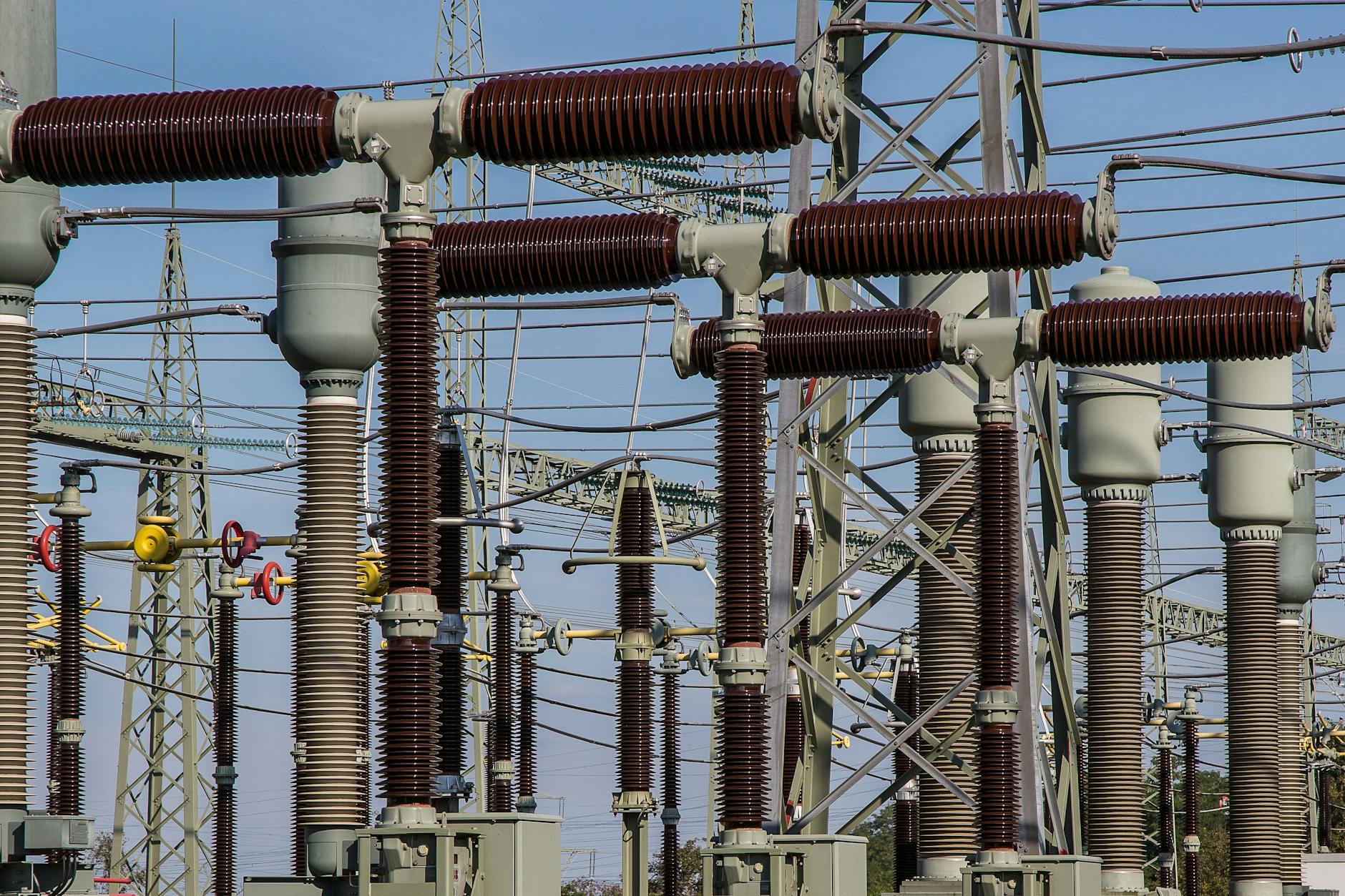 Commercial
Q&A: EverOn CEO Tom Mertz on Lead Times, Trade Pay and Liquid Cooling
EverOn CEO Tom Mertz on data center construction in 2026: 12-month to two-year equipment lead times, $10 to $20 an hour trade incentives, mechanical cost rising to 20-25% on liquid-cooled builds.
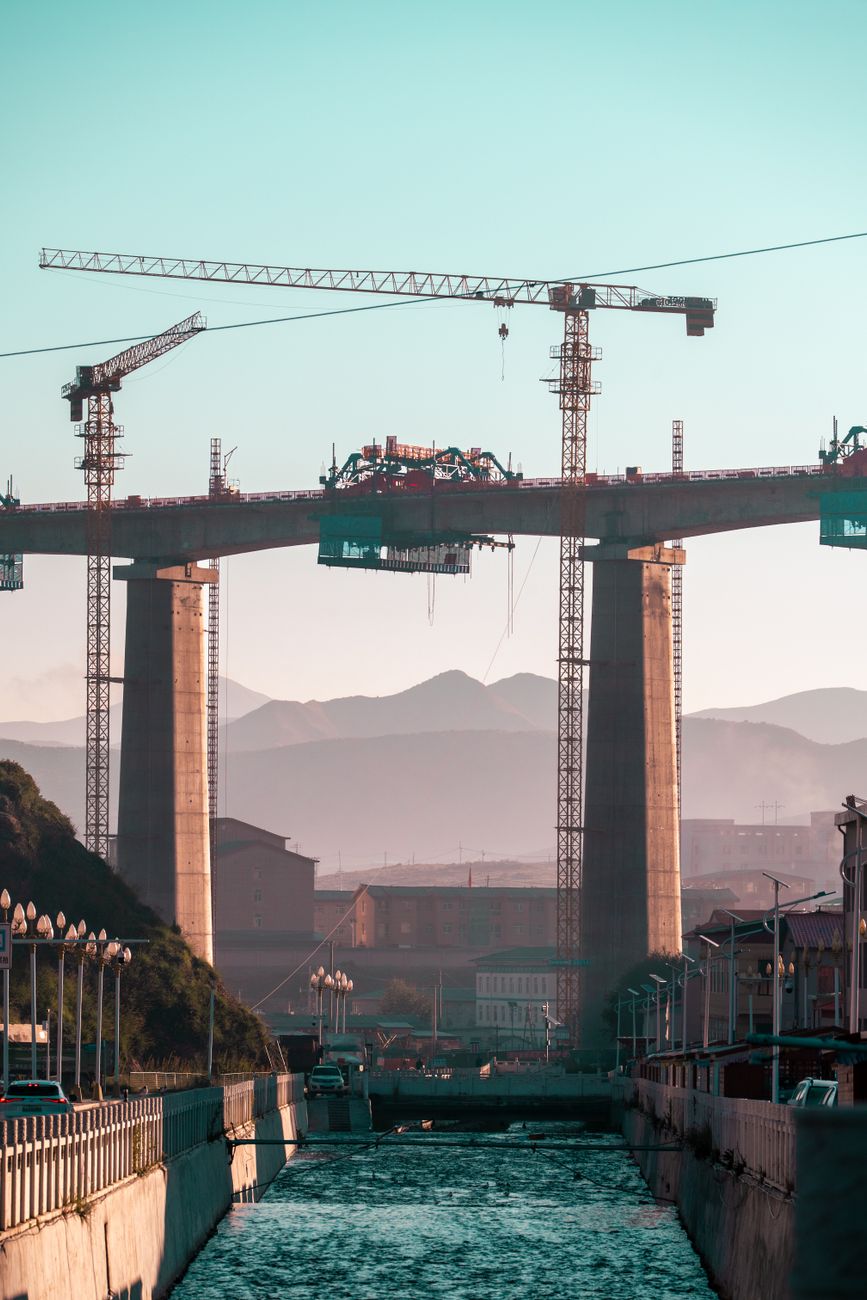 Infrastructure
How Accelerated Bridge Construction Works: SPMTs and Slides
How accelerated bridge construction works: SPMT moves, lateral slides, UHPC closure joints, weekend swaps, and what sourced bid tabs say ABC costs.
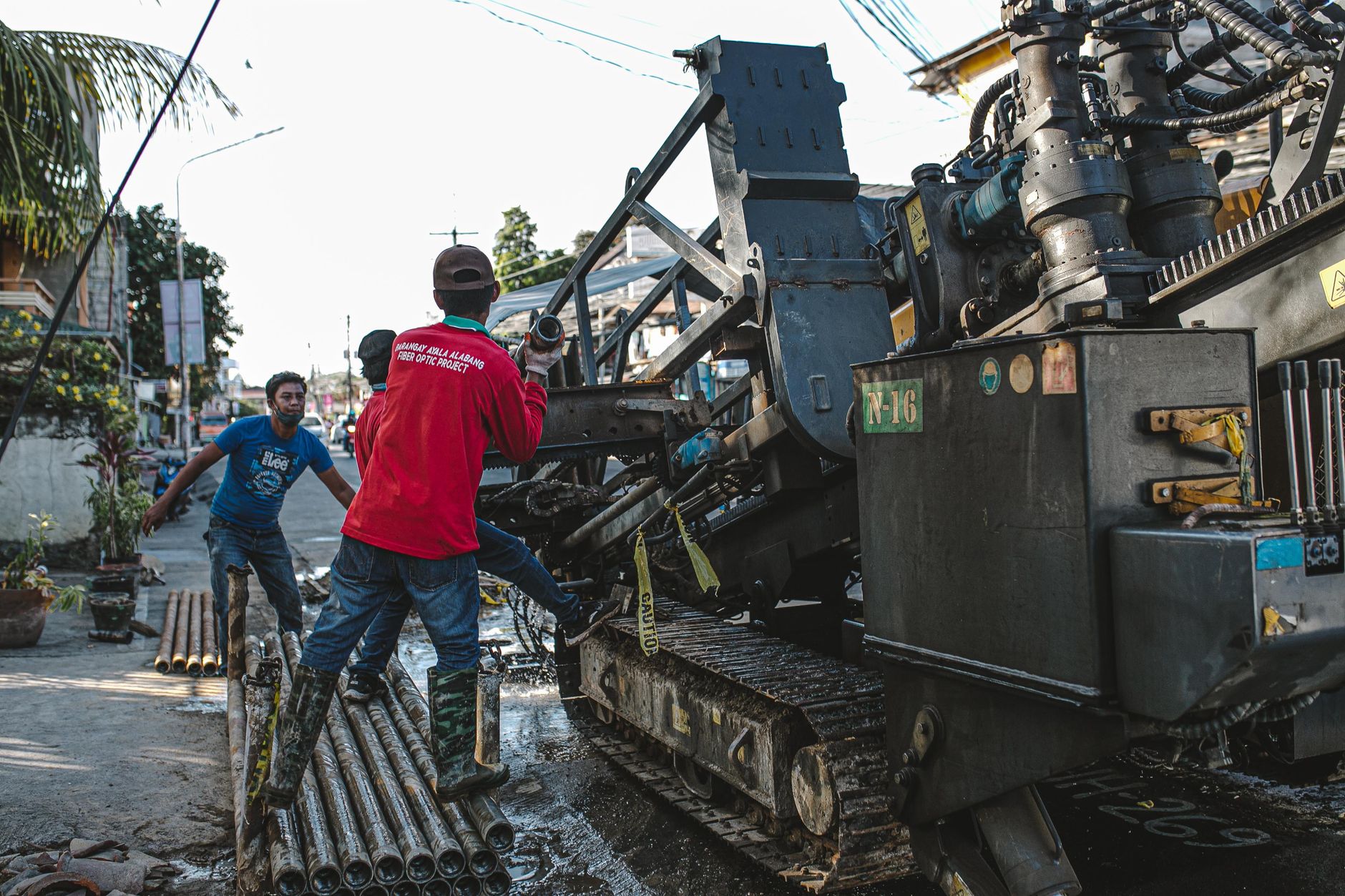 Infrastructure
Trenchless Pipe Installation Cost: HDD to Microtunneling
How HDD, microtunneling, pipe bursting and CIPP get built, what 2025 bid tabs show owners pay per foot, the ASTM and NASTT standards, and where bores go wrong.
 Commercial
How Slipform Concrete Climbs a Foot an Hour: The Crew, the Cost, and the Night Shift
How slipform concrete construction works in 2026 — the rig, the 6-to-12-inch-an-hour climb, the 30-person round-the-clock crew, what it costs per day, and when it beats jump forms on cores, silos, and towers.
CommercialData Center Electrical Equipment Lead Times: The Long Wait
Data center electrical equipment lead times in 2026: switchgear 38-63 weeks, pad-mount transformers 68-113, generators 60-100, power transformers ~128. How builds are sequenced around them.
 Commercial
How a Tower Crane Climbs: Cost Drivers, Crew and OSHA Rules
How a tower crane is erected, climbed, tied in and dismantled, what drives tower crane rental cost, crew wages from BLS, and the OSHA Subpart CC rules behind every step.
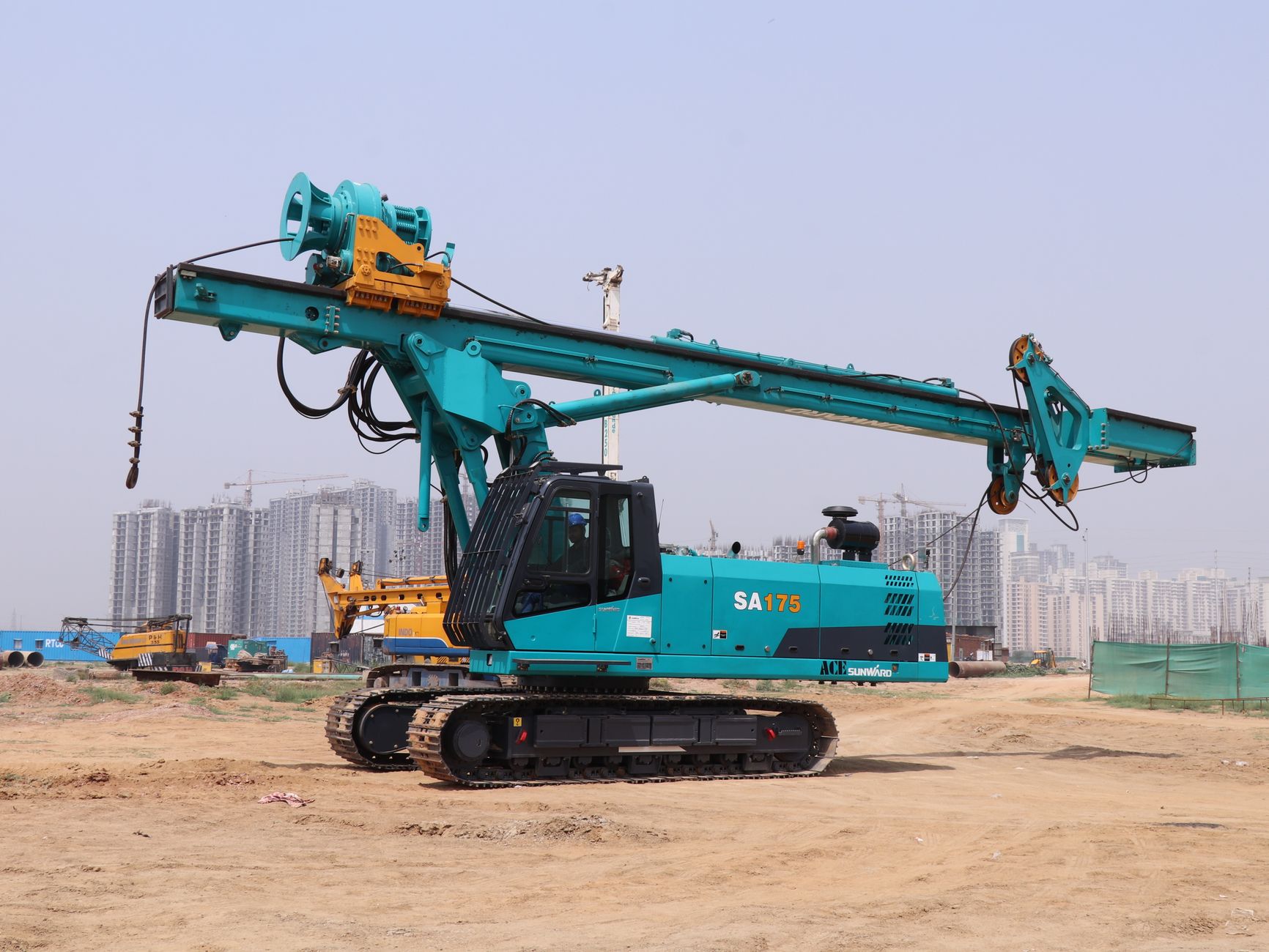 Infrastructure
Drilled Shafts vs. Driven Piles: Build Method and Cost Per Foot
How drilled shafts, driven piles, CFA piles and micropiles get built, what Texas bid tabs show shafts cost per foot, the ASTM tests behind them, and who does the work.
 Commercial
Construction Robots in 2026: Which Ones Actually Earn Their Keep
Construction robots 2026 teardown — which machines are on real budgets (layout printing, Spot scanning, overhead drilling), which pencil only in narrow conditions, and the bricklaying graveyard.
 Infrastructure
How a Substation Gets Built: Cost, Timeline, Trades
How a substation gets built in 2026, phase by phase. Power transformers average 128 weeks to deliver, so equipment sets the schedule. Costs, trades, awards.