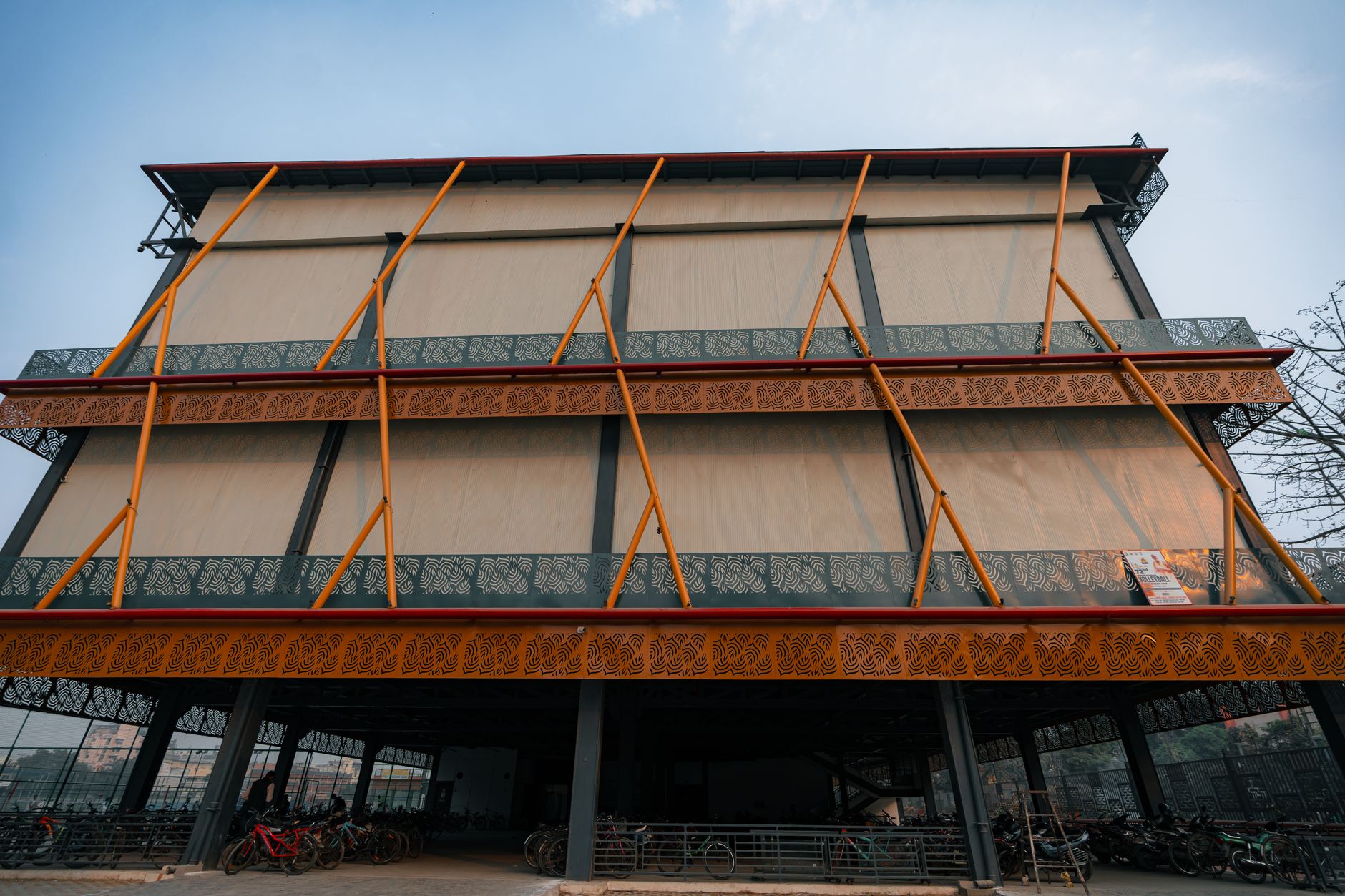
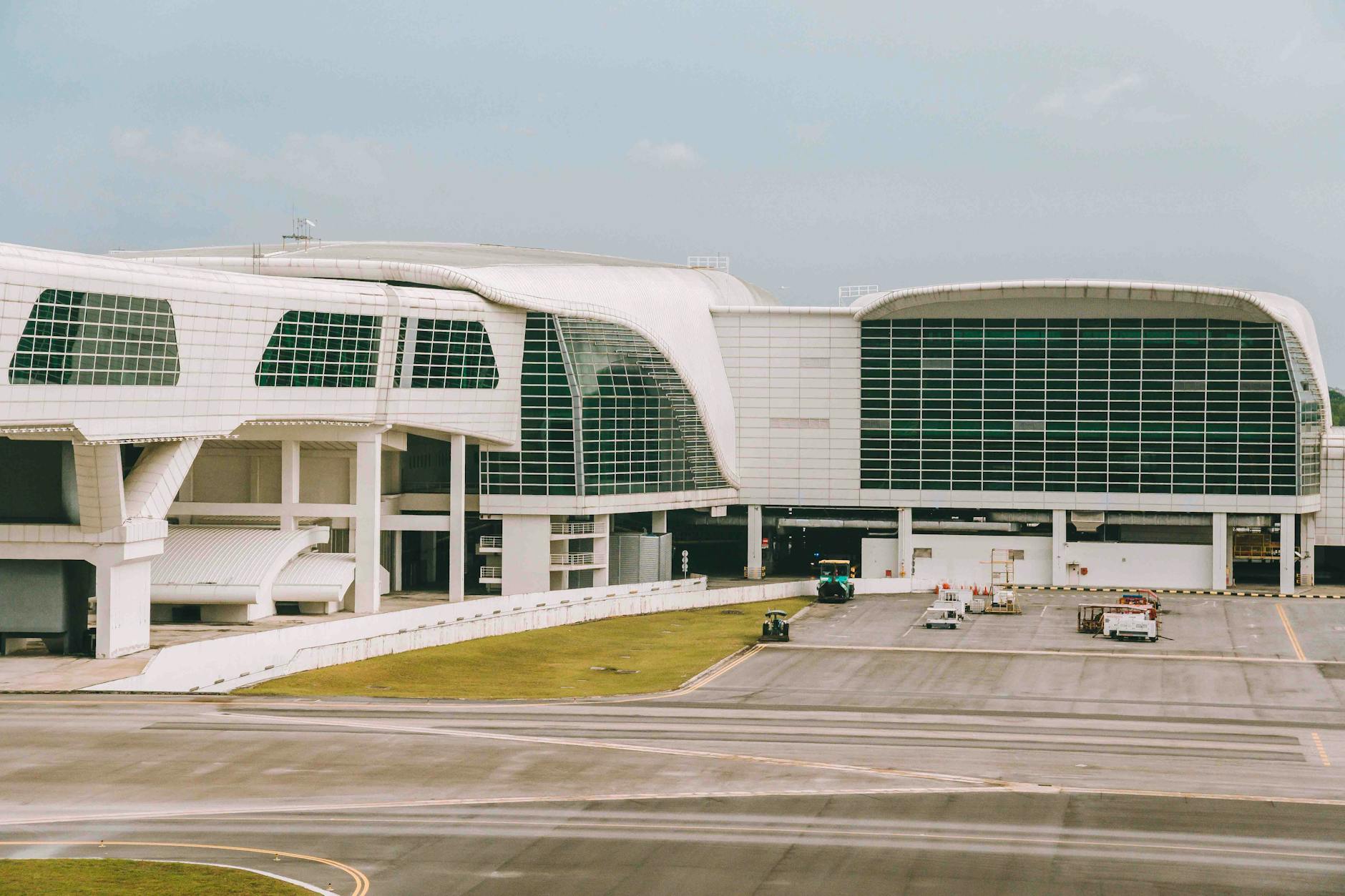
Crusoe started moving dirt in Abilene in June 2024. Fifteen months later, on September 30, 2025, the first two buildings were energized and running NVIDIA GB200 racks for Oracle. By November 2025 the eighth and final building of the core campus had topped out.
That is the fastest gigawatt-scale delivery anyone in this country has pulled off, and it is worth studying on its own. But the more useful story for contractors happened in a three-week window in March 2026, when the campus lost 600 megawatts of planned expansion and then gained 900 megawatts from a different customer. What that whipsaw did to the trade base in a West Texas city of about 125,000 people is the part nobody covering the AI trade has written about.
The build, in order
June 2024. Site work begins on the Lancium Clean Campus, roughly 1,100 acres on the north side of Abilene. Lancium owns the land and the electrical infrastructure and has been assembling the site since 2020. Crusoe Energy Systems builds and operates the data centers. Oracle Cloud Infrastructure is the tenant, serving OpenAI.
June 2025. Oracle begins delivering the first NVIDIA GB200 racks.
September 30, 2025. Crusoe announces the flagship campus is live. Two buildings energized inside roughly a year from the start of construction.
November 2025. The final building of the eight-building core tops out.
March 6, 2026. Bloomberg reports that Oracle and OpenAI scrapped a separately proposed expansion of roughly 600 MW that would have pushed the site from 1.2 GW toward 2 GW. The reporting attributed the decision to stalled financing negotiations and shifting capacity forecasts from OpenAI. Oracle publicly disputed characterizations that Stargate itself was being cut, saying its broader 4.5 GW agreement with OpenAI remained on track. Both things can be true, and both are: the eight-building core kept building, the incremental lease never got signed.
March 27, 2026. Crusoe announces a separate 900 MW campus on land adjacent to the existing site, this one supporting Microsoft. Two new buildings, each designed for 336 MW of critical IT load, with 900 MW of dedicated on-site generation and a medium-voltage battery storage system. Land clearing and site prep were already underway at announcement. First building energization is targeted for mid-2027. Total planned capacity across the Abilene site goes to 2.1 GW.
Mid-2026. Independent analysis from Epoch AI estimated roughly four of the eight core buildings operational as of April 2026, with about 0.3 GW online against a 1.2 GW design.
August 2026. Crusoe and Lancium executives briefed Abilene city leaders that campus work runs through the first quarter of 2027 — past the mid-2026 completion target that had been the public expectation for the eight-building core.
The contract structure
DPR Construction is the general contractor on the campus. Beyond that, the delivery detail is thin by design. This is a build-to-suit developer project, not a public job: no bid tabs, no published schedule of values, no award notices.
What is public is the capital stack, and it explains the pace. The campus is a roughly $3.4 billion build-to-suit joint venture, with equity from Crusoe, Blue Owl Capital, and Primary Digital Infrastructure. Against roughly 4 million square feet that works out to about $850 per square foot, inside the $600 to $1,500 range data center construction costs typically run — and a reminder that the figure covers the campus, not the Oracle and NVIDIA hardware going into it. Blue Owl's involvement is the tell. When a private credit and real assets manager takes the equity position on a build-to-suit with a long-term lease behind it, the developer is not managing to a hard-bid GMP. It is managing to an energization date, because the lease revenue does not start until the racks are drawing power.
That changes how the job gets built. Overtime, second shifts, premium freight, and parallel-path procurement all get approved fast when a month of delay costs more than the premium. Contractors who work these projects know the tradeoff: the schedule pressure is real, but so is the willingness to pay for it.
What the buildings actually are
Crusoe describes the design as optimized for both liquid and air cooling on the same floorplate. That is not a marketing line, it is a structural and mechanical decision that had to be locked before foundations.
Liquid-cooled GB200-class racks are dramatically heavier and denser than air-cooled equipment. When you design a hall to accept either, you are carrying the heavier slab loading that has already pushed data hall foundations to 12 and 18 inches of densely reinforced concrete, the coolant distribution infrastructure, and the piping penetrations everywhere, whether or not a given hall ends up liquid-cooled on day one. The building envelope and the slab were designed around the rack, not the other way around.
The adjacent Microsoft campus goes further, specifying closed-loop non-evaporative liquid cooling with dedicated on-site generation paired to a medium-voltage BESS. For mechanical and electrical contractors, that is the direction of travel: less evaporative cooling scope, more process piping, more medium-voltage work, more on-site generation and storage tie-in. The switchgear, busway, and cable content per megawatt on these campuses is enormous, which is why anyone bidding this work needs a live view of copper pricing rather than a quarterly one.
The labor math, and the number nobody agrees on
Peak workforce figures for this site vary meaningfully by source and by date, and it is worth being honest about that.
Earlier reporting through phase two described roughly 3,000 workers on site daily, expected to climb toward 5,000 at peak. More recent local reporting in August 2026 put roughly 9,000 craft workers on site daily, and public radio coverage the same month cited 9,000 construction jobs created. The figures may be measuring different things — daily headcount on one campus versus total jobs across the core campus and the adjacent Microsoft build, which is in site prep concurrently. Take the range, not any single number.
What is not ambiguous is the effect on the town. Abilene has roughly 125,000 residents. Average rent climbed nearly 50% year over year to about $2,600 a month, which local reporting notes is higher than Austin. Case managers working with assisted families report being unable to find units at the $1,020 HUD fair market rent ceiling. Abilene Christian University reported more than 100 incoming students without fall housing. Time to place a shelter resident in permanent housing stretched from about a month to as long as six. A 2,300-site RV park is under construction specifically for project workers and is not finished yet.
If you are pricing per diem and travel for a job in a small metro absorbing a workforce this size, that is the cost curve you are bidding into, and it moves faster than your labor burden spreadsheet does. The state construction dashboards are useful for seeing where this concentration is repeating.
What the March whipsaw actually tells you
The instinct is to read a scrapped 600 MW expansion as a demand signal. That is not what happened here.
The 600 MW that Oracle and OpenAI walked away from was never a construction contract. It was a proposed lease that failed to close on financing terms. Three weeks later, Crusoe announced 900 MW on adjacent land for a different hyperscaler, with site prep already underway. Net effect on the Abilene trade base: more work, not less, on roughly the same dirt, with the same mobilized crews and the same interconnection infrastructure.
The lesson is about who carries the risk. On a speculative or unleased phase, the trade base's exposure is not to whether AI demand exists. It is to whether a specific lease closes with a specific counterparty on specific financing terms — a decision made in a credit committee, not a construction meeting. Crews on site in March 2026 had no visibility into any of it.
Practical hedges: keep escalation and demobilization language tight on unleased phases, do not staff up on a phase that has no signed offtake, and read the financing structure before you read the press release. We track that side of the market in our construction economy coverage.
What happens next
The eight-building core finishes commissioning and fit-out through Q1 2027. The Microsoft campus next door is in site prep now, with its first building targeted for energization in mid-2027, which means foundations, structural steel, and the on-site generation package are the near-term packages on that side of the fence.
For contractors, Abilene stops being one project and becomes a market. The question shifts from whether to chase the job to whether your firm can sustain a West Texas presence at that cost basis for another three years.