Construction of transit-oriented development (TOD) — mixed-use residential and commercial projects within a half-mile of rail transit stations — has increased 42% by dollar volume since 2023, reaching an estimated $48 billion in active construction projects across 35 metropolitan areas. The surge reflects the convergence of state and local zoning reforms eliminating parking minimums and density restrictions near transit, federal funding incentives through the FTA's TOD planning grants and IIJA transit funding tied to ridership and density metrics, housing affordability pressures driving development toward transit-accessible locations where car ownership is optional, and institutional investor demand for transit-proximate multifamily assets that command rent premiums of 10 to 25%.
The numbers tell a different story than either the urbanist vision of car-free neighborhoods or the suburban resistance narrative suggests. TOD construction is not replacing suburbia — it's filling in the underdeveloped land around transit stations that was often left as surface parking lots or low-density commercial strips, converting these underutilized parcels into mixed-use districts with housing, retail, and office space.
TOD Construction by Metro Area
The 10 metropolitan areas with the largest active TOD construction pipelines demonstrate the geographic spread and scale of this market:
Washington, DC Metro: $8.2 billion. The DC region leads in TOD construction, with major mixed-use projects at 45+ Metro station areas across DC, Virginia, and Maryland. Major projects include the 3+ million SF Potomac Yard development adjacent to the new Metro station in Alexandria ($2.5 billion), the Reston Station mixed-use district at the Silver Line ($1.8 billion), and the Rhode Island Avenue redevelopment in DC ($800 million). WMATA's joint development program — which leases agency-owned land adjacent to stations to private developers — has generated over $3 billion in construction activity.
New York Metro: $6.4 billion. TOD construction is concentrated along the Metro-North, Long Island Rail Road, and New Jersey Transit commuter rail networks, where state-level TOD-friendly zoning mandates in New Jersey (the Transit Village Initiative) and New York (the proposed Transit-Oriented Development Act) are accelerating development approvals. Major projects include Hudson Yards-adjacent residential towers, the Moynihan Train Hall district mixed-use development, and suburban station-area redevelopments in White Plains, New Rochelle, and multiple New Jersey Transit stations.
Los Angeles Metro: $5.8 billion. LA's expanding Metro Rail system — with the Purple Line Extension, Regional Connector, and Crenshaw/LAX Line recently opened or under construction — is catalyzing TOD across dozens of station areas. The state's Transit-Oriented Communities policy (SB 35 and related legislation) allows streamlined permitting and density bonuses for housing within a half-mile of major transit stops. Major TOD projects include the $2.3 billion Jordan Downs redevelopment near the A Line, the $1.5 billion Hollywood and Vine mixed-use district, and dozens of mid-rise residential projects along the Expo and Gold Lines.
San Francisco Bay Area: $4.2 billion. BART and Caltrain station areas are the focus of intense TOD activity, driven by the region's severe housing shortage and state mandates requiring cities to zone for higher density near transit. Major projects include the $1.5 billion Diridon Station area redevelopment in San Jose (adjacent to the future BART and California High-Speed Rail station), the $800 million MacArthur BART TOD in Oakland, and multiple Caltrain corridor developments.
Denver Metro: $3.8 billion. RTD's FasTracks light rail and commuter rail system has generated over $10 billion in cumulative TOD construction since opening, with $3.8 billion currently active. The RiNo/Brighton Boulevard corridor, Union Station district, and multiple suburban station areas are seeing dense mixed-use construction.
Other metros with significant TOD pipelines include Seattle ($3.2 billion), Portland ($1.8 billion), Dallas-Fort Worth ($2.4 billion), Atlanta ($2.1 billion), and Minneapolis-St. Paul ($1.6 billion).
What's Being Built
TOD projects share common characteristics that differentiate them from conventional development:
Higher Density. TOD projects typically range from 50 to 200+ dwelling units per acre, compared to 8 to 20 units per acre for conventional suburban multifamily. Building types range from 4 to 8-story mid-rise wood-frame or steel-frame buildings to 12 to 40-story high-rise concrete or steel towers in major urban station areas.
Mixed Use. Ground-floor retail and commercial space is a defining feature, with residential units above. Many TOD projects also include office space, hotel rooms, medical offices, or cultural facilities. The typical use mix is 60 to 75% residential, 10 to 20% retail/commercial, and 5 to 20% office or other uses by square footage.
Reduced Parking. TOD projects near high-quality transit build significantly less parking than conventional developments — typically 0.5 to 1.0 spaces per residential unit versus 1.5 to 2.0 spaces in suburban projects. This reduction has major construction cost implications: structured parking costs $30,000 to $60,000 per space, so reducing parking ratios from 1.5 to 0.75 can save $15,000 to $45,000 per unit in construction costs.
Public Infrastructure Integration. Many TOD projects include construction of public plazas, streetscape improvements, bus transfer facilities, bicycle infrastructure, and stormwater management systems as conditions of development approval. These public infrastructure components add 5 to 15% to total project costs but are often offset by density bonuses and streamlined permitting.
Construction Cost Analysis
TOD construction costs per unit reflect the higher density and complexity of these projects compared to conventional suburban development:
Mid-rise wood-frame TOD (4 to 5 stories over concrete podium): $250,000 to $400,000 per residential unit, including $30,000 to $60,000 for structured parking. This is the most common TOD building type in suburban and first-ring suburban station areas.
Mid-rise steel or concrete TOD (6 to 12 stories): $350,000 to $550,000 per unit, reflecting the transition from wood-frame to steel or concrete structural systems required for buildings exceeding 5 stories over a podium (under current building codes).
High-rise TOD (12+ stories): $450,000 to $800,000+ per unit. High-rise construction involves reinforced concrete or structural steel frames, curtain wall enclosures, high-speed elevator systems, and higher-capacity MEP systems that significantly increase per-unit costs.
Ground-floor retail/commercial space: $200 to $400 per SF for shell and core construction, with tenant improvement costs of $50 to $200+ per SF depending on use type.
Contractor Landscape
TOD construction is performed primarily by multifamily and mixed-use general contractors — firms like Clark Construction, Turner, Gilbane, Suffolk, Holder, Clayco, and numerous regional multifamily builders. The key differentiator for TOD contractors versus conventional multifamily builders is experience managing complex urban construction sites with constrained access, proximity to operating transit infrastructure, and coordination with transit agencies for construction activities that could affect service.
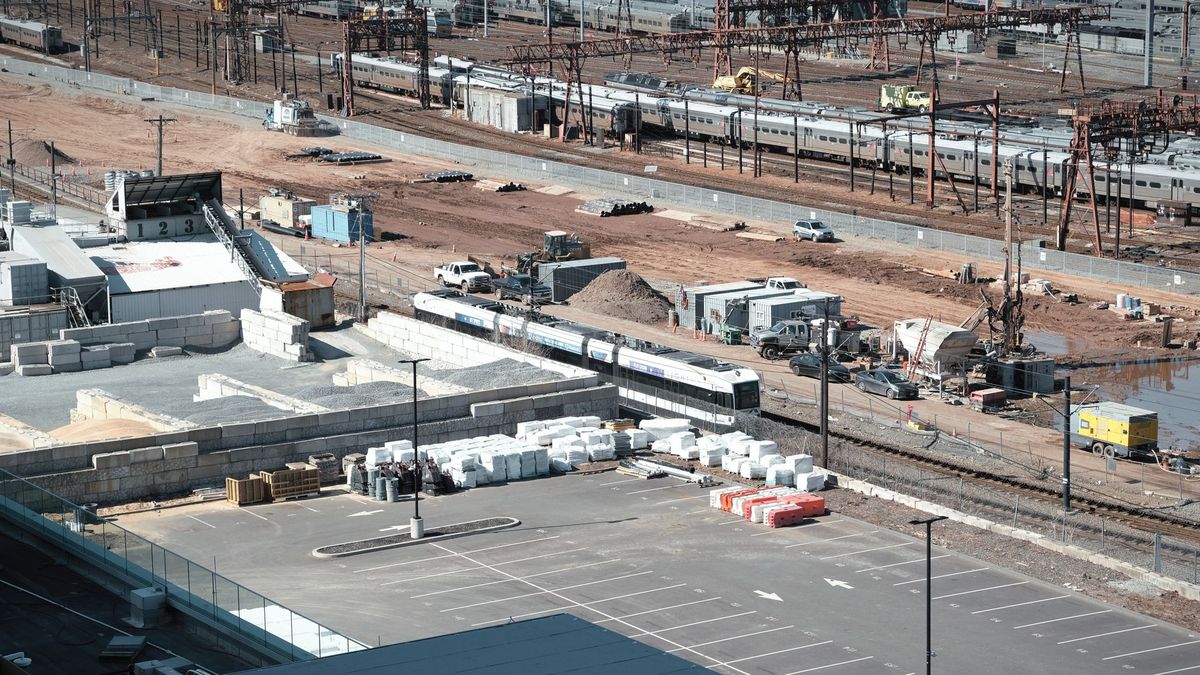
Transit agency coordination is a particularly important capability. Construction adjacent to operating rail lines requires compliance with transit agency safety and clearance requirements, use of flaggers and track watches during crane operations near overhead catenary or third-rail systems, vibration monitoring during pile driving and excavation to protect tunnel structures, and schedule coordination to avoid service disruptions during critical construction phases.
Workforce and Market Outlook
Active TOD projects employ an estimated 120,000 to 150,000 construction workers nationally, spanning all major building trades. The TOD construction pipeline is expected to grow to $60 billion by 2028, driven by continued zoning reform expanding the number of station areas eligible for dense development, extension of transit networks creating new TOD-eligible station areas, federal and state housing production incentives targeting transit-accessible locations, and growing institutional capital allocation to transit-proximate multifamily investment.
For construction firms, the TOD market offers several advantages: projects are concentrated in metropolitan areas with strong labor pools, the recurring nature of development at multiple station areas creates multi-year backlogs for experienced builders, and the technical complexity of construction adjacent to transit infrastructure creates modest barriers to entry that limit competition and support margins.
Financing and Public-Private Partnerships
TOD projects often involve complex financing structures that blend public and private investment. Common funding mechanisms include tax increment financing (TIF) districts where property tax revenue increases from new development are captured to fund public infrastructure improvements, transit agency joint development agreements where the transit agency contributes land (often surface parking lots at stations) in exchange for development rights fees and ongoing ground lease payments, opportunity zone investment for TOD projects in designated census tracts attracting private capital through tax incentives, and Low-Income Housing Tax Credits (LIHTC) for affordable housing components of TOD projects.
These financing mechanisms have direct implications for construction timing and phasing. TIF-funded infrastructure must typically be constructed before or concurrent with private development to capture the tax increment. Joint development agreements often require public infrastructure (plazas, transit connections, streetscape) to be constructed as a condition of private development approval. And LIHTC affordable housing units must meet specific construction timelines and cost certification requirements.
Affordable Housing Integration
An increasingly important aspect of TOD construction is the integration of affordable housing units within market-rate projects. Many jurisdictions require that TOD projects receiving density bonuses or other zoning incentives include 10 to 20% of units as income-restricted affordable housing. This requirement affects construction programming — affordable units must meet the same construction quality standards as market-rate units but generate lower revenue, requiring careful cost management.
Some TOD projects dedicate entire buildings within a mixed-income development to affordable housing, funded through 4% or 9% LIHTC allocations. These affordable buildings often have slightly different construction specifications (more durable, lower-maintenance materials; simplified unit layouts; different amenity packages) but the same structural and fire safety requirements as market-rate buildings. Construction firms experienced in both market-rate and affordable multifamily construction are well-positioned for TOD projects that combine both housing types.
Construction Phasing Challenges
TOD projects face unique construction phasing challenges compared to conventional development. The proximity to operating transit systems creates constraints on construction access, crane operations, material delivery, and heavy equipment use that affect both schedule and cost.
Foundation Construction Near Transit Tunnels: When TOD buildings are constructed above or adjacent to underground transit infrastructure, foundation design and construction must account for the proximity of tunnel structures. Drilled shaft foundations may need to be set back from tunnel alignments, requiring transfer structures or cantilever designs that increase structural costs by 10 to 20%. Vibration monitoring during pile driving and excavation is typically required to ensure that ground vibrations do not damage tunnel linings or track alignment.
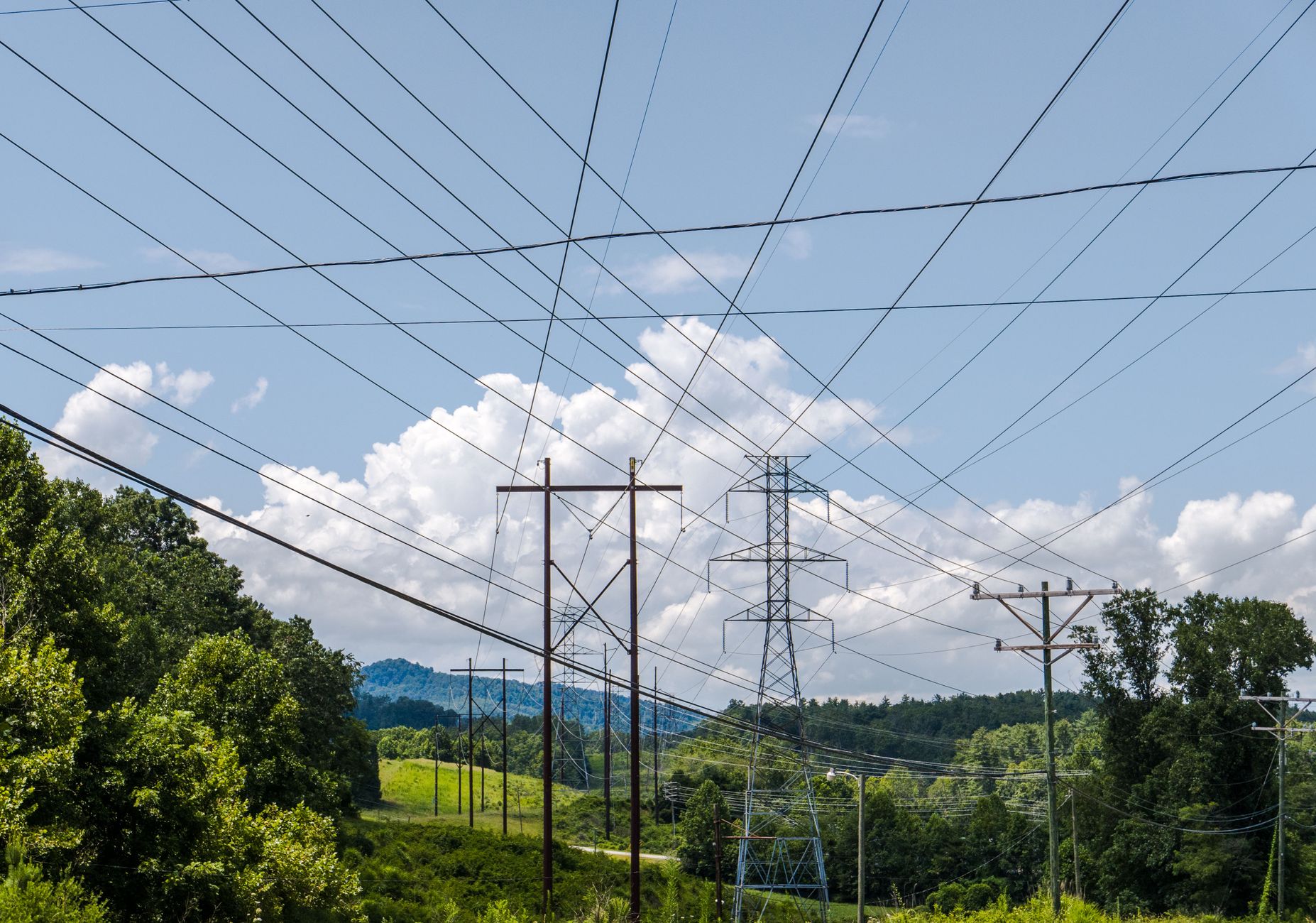
Crane Operations Near Overhead Power: TOD projects adjacent to electrified rail lines must coordinate crane operations with the transit agency to maintain safe clearances from overhead catenary wires carrying 12,000 to 25,000 volts. In some cases, transit power must be de-energized during specific crane operations — typically limited to overnight or weekend windows — which constrains the construction schedule and increases costs.
Material Delivery Logistics: Urban station areas typically have limited street access for large delivery trucks carrying concrete, steel, and other bulk materials. TOD construction managers must develop detailed delivery management plans that minimize truck queuing on public streets, coordinate with adjacent construction projects competing for the same limited access routes, and schedule large deliveries during off-peak hours to reduce traffic conflicts.
These constraints add 5 to 15% to construction costs and 10 to 20% to construction duration compared to equivalent buildings on non-transit-adjacent sites. Contractors experienced in TOD construction factor these constraints into their bids and construction planning, providing competitive advantages over firms without transit-adjacent construction experience.
The Suburban TOD Opportunity
While urban TOD captures most industry attention, the fastest-growing TOD construction market is in suburban station areas along commuter rail and light rail systems. Suburban TOD projects convert surface parking lots and underutilized commercial land adjacent to rail stations into mid-rise mixed-use developments.
Suburban TOD construction offers several advantages for contractors: less constrained sites compared to urban infill locations, simpler foundation conditions (typically spread footings or short piles rather than deep foundations), wood-frame or hybrid construction (less expensive than urban concrete or steel high-rise), and more predictable permitting timelines in suburban jurisdictions seeking development to expand tax base and ridership.
The construction cost per unit for suburban TOD is typically 20 to 35% lower than urban TOD at comparable density, making suburban station areas an attractive market for both developers and construction firms. Metro areas with the largest suburban TOD pipelines include Washington DC (along the Silver and Purple Lines), Denver (FasTracks corridor stations), Dallas-Fort Worth (DART stations), and Minneapolis-St. Paul (Green and Blue Line stations).
Frequently Asked Questions
How much federal funding goes to transit oriented development construction?
According to the latest industry data, transit oriented development construction is showing notable trends in 2026. Current figures indicate 42%, which represents a significant benchmark for contractors and developers planning projects this year. Regional variations apply, so checking local market conditions remains essential for accurate budgeting.
Which states benefit most from transit oriented development construction?
Regional analysis of transit oriented development construction reveals uneven distribution across U.S. markets. The data point of $48 billion highlights the scale of activity, with Sun Belt and high-growth metro areas generally leading in volume. Contractors expanding into new territories should evaluate local demand indicators before committing resources.
What is the timeline for transit oriented development construction projects?
The trajectory for transit oriented development construction tells an important story when viewed against historical benchmarks. With the latest data showing 25%, the trend has clear implications for project feasibility, bidding accuracy, and resource allocation across the construction sector.