The Lodging Industry Is Building Again — But Differently
The hotel construction pipeline in the United States reached 156,000 rooms in active development at the end of Q1 2026, according to Lodging Econometrics' quarterly survey. This figure represents rooms in projects that are under construction, have received final approval, or are in the planning stage with confirmed financing. It is the largest pipeline since the pre-pandemic peak of 2019, and it signals a lodging industry that has fully recovered its confidence in new development — with significant caveats about where and what is being built.
The recovery has been neither uniform nor indiscriminate. The 156,000-room pipeline is concentrated in specific segments, geographies, and price points that reflect the post-pandemic restructuring of travel demand. Understanding these patterns is essential for general contractors, specialty subcontractors, and developers evaluating hotel construction opportunities in 2026.
Pipeline Composition by Segment
The distribution of rooms across hotel segments reveals the industry's view of future demand:
Select-service and extended-stay: 62% of the pipeline (96,700 rooms). Brands like Hampton Inn, Home2 Suites, TownePlace Suites, Tru by Hilton, and Residence Inn dominate the pipeline. These brands share several characteristics that make them development-friendly: lower construction costs per room ($120,000 to $180,000 versus $250,000 to $500,000 for full-service), standardized prototype designs that reduce design costs and accelerate permitting, shorter construction timelines (12 to 18 months versus 24 to 36 months for full-service), and lower operating costs due to limited food and beverage and meeting space. The extended-stay segment is the fastest-growing subcategory, with rooms in the pipeline up 34% year-over-year, driven by demand from project-based workers, temporary relocations, and travelers who prefer apartment-style accommodations.
Upper-upscale and luxury: 18% of the pipeline (28,100 rooms). Full-service hotels under brands like Marriott, Hilton, Hyatt, and independent luxury labels represent a smaller but high-value segment of the pipeline. These projects are concentrated in gateway cities, resort destinations, and mixed-use developments where the combination of location value and premium rates justifies the higher construction cost. A typical 300-room full-service hotel represents a $100 million to $200 million construction investment — making these projects significant opportunities for large commercial contractors.
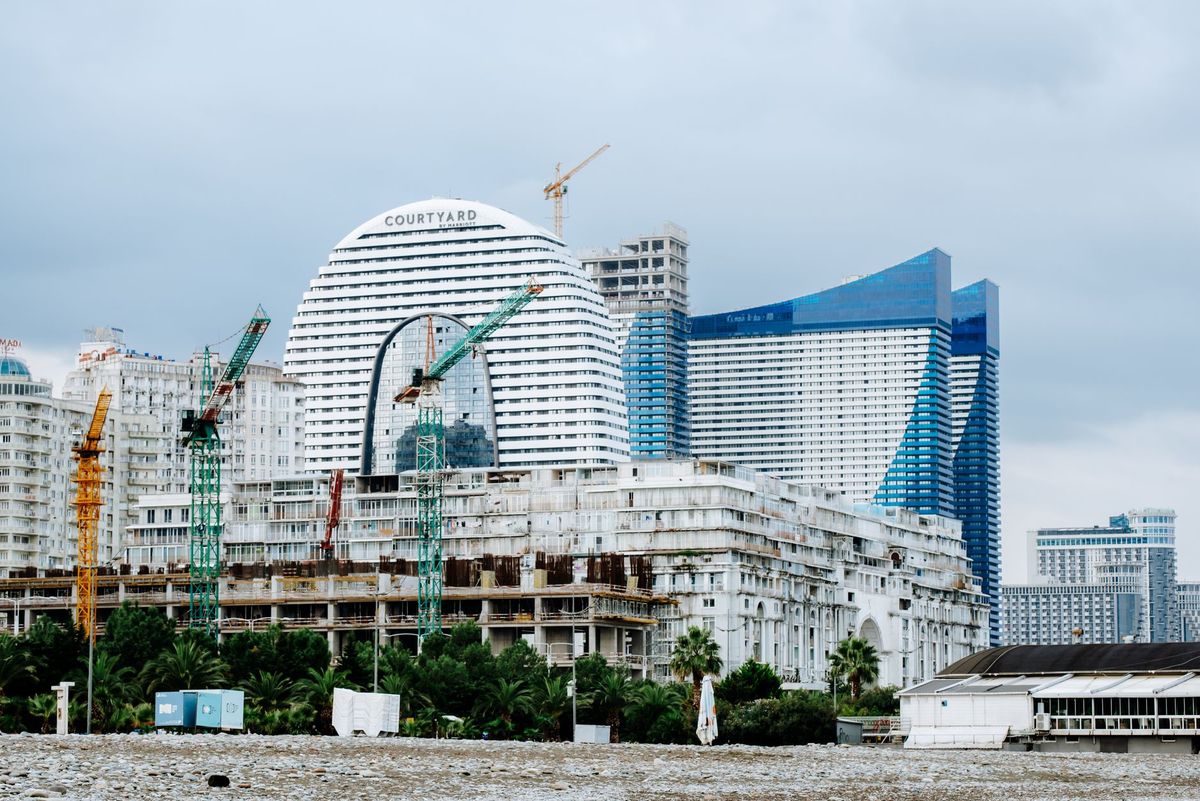
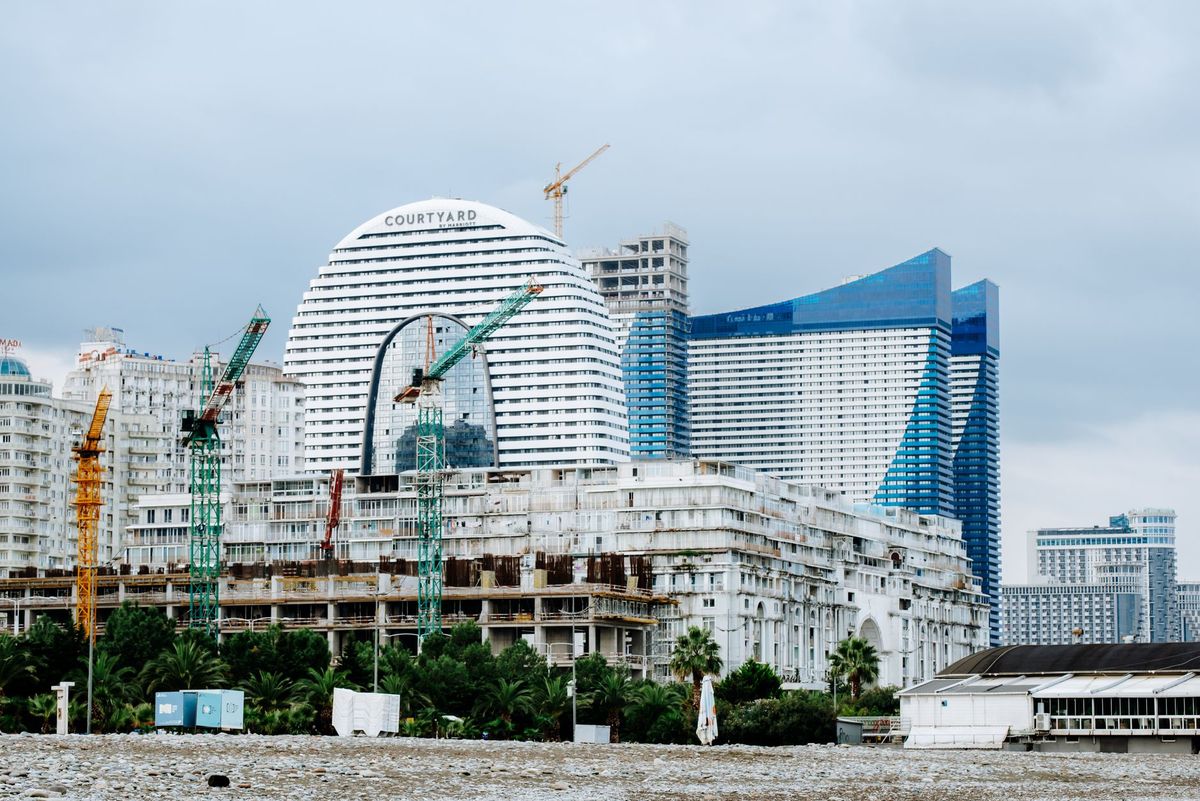
Upscale: 15% of the pipeline (23,400 rooms). Brands like Courtyard by Marriott, Hilton Garden Inn, and Hyatt Place occupy the middle ground — offering more amenities than select-service but at lower cost than full-service. These hotels are often the first to be developed in emerging markets, serving as the bridge between limited-service and full-service as a market matures.
Economy and midscale: 5% of the pipeline (7,800 rooms). Budget brands have the smallest pipeline share, reflecting the challenge of making new construction economics work at economy rate levels. New economy hotel construction is limited to markets with very low land and construction costs, or to conversion projects where existing buildings are adapted to budget hotel use at costs below those of ground-up construction.
Construction Cost Benchmarks by Hotel Type
Hotel construction costs vary dramatically by segment, service level, and market. The following benchmarks represent current national averages for ground-up construction, inclusive of hard costs, FF&E (furniture, fixtures, and equipment), and pre-opening costs:
Select-service (4 stories, 100-125 rooms): $140,000 to $180,000 per room. Total project cost: $14 million to $22.5 million. Construction timeline: 12 to 18 months. Key cost components include a wood-frame or light-gauge steel structure on a post-tensioned concrete podium (if required by code), guest room fit-out at $18,000 to $25,000 per room (including FF&E), common area construction and finishing at $200 to $300 per square foot, and site work and parking.
Extended-stay (4-5 stories, 100-150 rooms): $150,000 to $200,000 per room. Total project cost: $15 million to $30 million. Extended-stay rooms are larger than select-service (typically 350 to 500 square feet versus 300 to 350 square feet) and include kitchenettes with refrigerators, cooktops, and dishwashers. The kitchenette adds $3,000 to $5,000 per room in construction cost but enables extended-stay hotels to command daily rates that are competitive with furnished apartments while operating at lower costs.
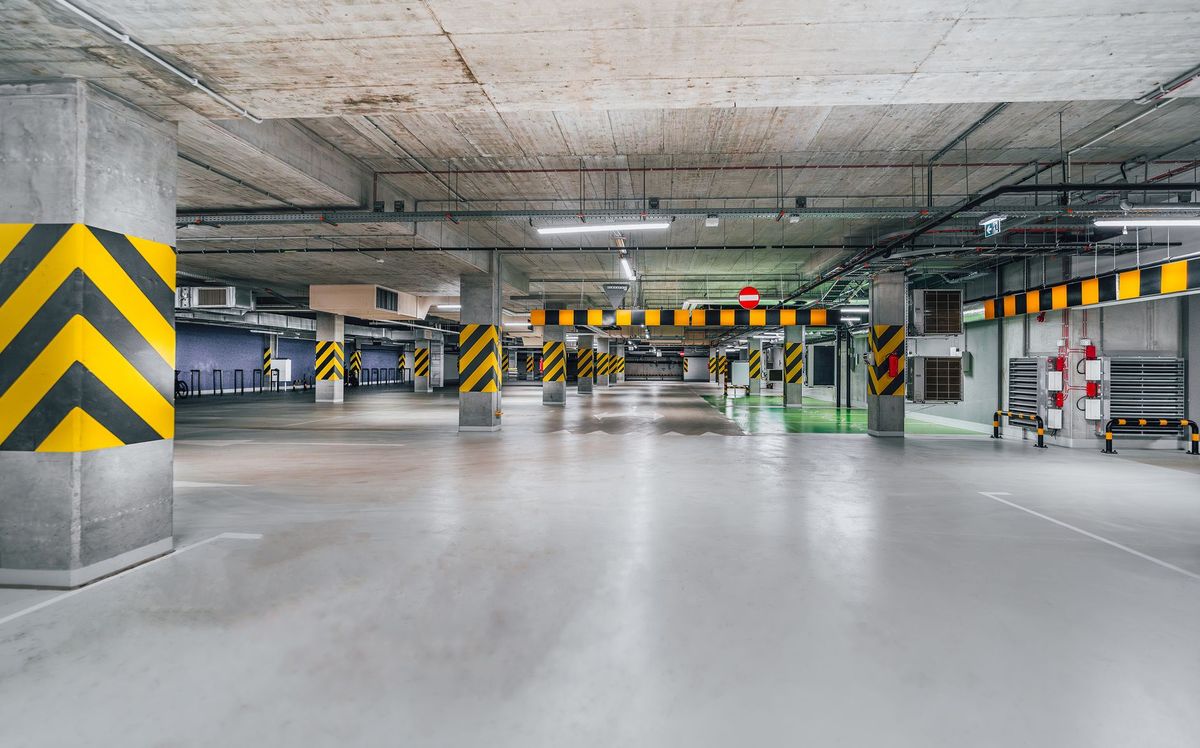
Full-service (8-20 stories, 250-500 rooms): $250,000 to $500,000 per room. Total project cost: $62.5 million to $250 million. Full-service hotels are among the most complex commercial buildings to construct, integrating guest rooms, restaurants, bars, ballrooms, meeting rooms, fitness centers, pools, spas, back-of-house operations, and structured parking. The MEP systems alone — including the central plant for heating and cooling, the kitchen exhaust and fire suppression systems, and the laundry facility — can cost $30,000 to $60,000 per room.
Luxury/resort: $400,000 to $1,000,000 per room. Total project cost: $60 million to $500 million. Luxury hotel construction is bespoke — each project is essentially a custom building designed to create a unique guest experience. Finishes include natural stone, custom millwork, designer lighting, and curated art programs. Guest room fit-out at the luxury level costs $40,000 to $80,000 per room for FF&E alone, and common area finishes can exceed $500 per square foot. Construction timelines of 30 to 48 months are common.
Geographic Concentration
The 156,000-room pipeline is concentrated in markets where leisure and business travel demand supports new development:
Sun Belt metros dominate. Dallas-Fort Worth (8,200 rooms in pipeline), Atlanta (6,800), Houston (6,100), Nashville (5,400), Phoenix (5,200), and Austin (4,800) lead the pipeline. These markets combine population growth, corporate relocations, and expanding convention and tourism infrastructure to support new hotel development. Construction costs in these markets are 15% to 25% below gateway market levels, improving development feasibility.
Resort and leisure destinations are surging. Markets including Orlando, Las Vegas, Miami, Charleston, Savannah, and the Gulf Coast are seeing substantial pipeline growth driven by the sustained strength of leisure travel. The leisure segment has outperformed business travel since the pandemic, and developers are responding with resort-oriented products that command premium rates.
Gateway cities are cautious. New York, San Francisco, Chicago, and Washington DC have relatively modest pipelines given their size, reflecting the slower recovery of urban business travel and the higher construction costs in these markets. New York, however, retains the single largest city-level pipeline at approximately 12,000 rooms, driven by the lifting of the de facto development moratorium imposed by the 421-a tax abatement expiration.
The Conversion Opportunity
An increasingly important segment of the hotel construction market is conversions — the adaptive reuse of existing buildings for hotel use. Approximately 15% of the rooms in the current pipeline are conversion projects rather than ground-up construction.
Hotel conversions typically involve office buildings, residential buildings, and historic structures that are adapted to hotel use. Conversion costs range from $80,000 to $200,000 per room — generally 30% to 50% less than ground-up construction for the same quality tier. The savings come from reusing the existing structure, envelope, and vertical transportation systems, while the guest room fit-out and common area construction costs are comparable to new construction.
Conversions are particularly active in urban markets where developable land is scarce and existing building inventory provides conversion candidates. Cities including New York, Philadelphia, Chicago, and San Francisco have seen notable conversion activity, with several office-to-hotel projects completed or underway.
The conversion model is not without challenges. Floor plate configurations designed for office use may not efficiently accommodate hotel room layouts. Existing mechanical and plumbing systems rarely meet hotel requirements and must be replaced. And the regulatory process for change-of-use permits can be lengthy and uncertain, particularly in jurisdictions with complex zoning frameworks.
Labor and Supply Chain Considerations
Hotel construction labor requirements are intensive, with guest room fit-out representing a particularly labor-heavy scope. A 125-room select-service hotel requires approximately 300,000 to 400,000 labor hours to construct. A 350-room full-service hotel requires 1.5 million to 2.5 million labor hours.
The labor market for hotel construction is tight, particularly for the finish trades — drywall, painting, flooring, millwork, and plumbing fixture installation — that dominate the guest room fit-out phase. These trades are in demand across all commercial construction sectors, and hotel projects must compete for the same workers.
FF&E procurement presents its own challenges. Hotel furniture, fixtures, and equipment are typically specified by the brand and procured through brand-designated vendors with lead times of 12 to 20 weeks. Coordinating FF&E delivery with construction completion is a critical-path activity — rooms cannot be furnished until construction is substantially complete, and the hotel cannot open until rooms are furnished. Delays in FF&E procurement or delivery can push hotel opening dates by weeks or months, with significant financial consequences for the developer.
Financial Performance Metrics
The financial viability of hotel construction projects depends on achieving performance metrics that justify the investment:
RevPAR (Revenue per Available Room): The primary metric for hotel financial performance, calculated as average daily rate multiplied by occupancy. National RevPAR reached $97 in 2025, fully recovering to and slightly exceeding the 2019 level of $92. Select-service RevPAR averages $85 to $110, while full-service RevPAR ranges from $130 to $250 depending on market and quality tier.
Development yield (NOI/total development cost): Target development yields for hotel construction range from 8% to 12% for select-service and 6% to 9% for full-service. At a development cost of $160,000 per room and a stabilized NOI of $15,000 per room, a select-service hotel delivers a 9.4% yield on cost — attractive by current real estate investment standards.
Stabilization timeline: New hotels typically require 18 to 36 months after opening to reach stabilized occupancy and revenue levels. This ramp-up period represents negative cash flow that must be funded by the developer's equity or a pre-arranged operating reserve. The stabilization timeline is a significant risk factor in hotel development and a key underwriting assumption for construction lenders.
Outlook
The hotel construction pipeline at 156,000 rooms represents a healthy but not excessive development pace relative to demand growth. National hotel demand has grown approximately 2% annually since the pandemic recovery, adding roughly 22 million room-nights per year. The 156,000 rooms in the pipeline will deliver over a 24 to 36-month period, adding approximately 3% to national supply — a manageable increment if demand growth continues at current rates.
The risks to the development thesis include economic recession (which would reduce both business and leisure travel), overbuilding in specific markets where supply growth outpaces demand, and continued labor cost escalation that erodes development returns. The opportunities include the continued growth of extended-stay demand, the conversion of obsolete office and retail buildings to hotel use, and the expansion of resort and lifestyle hotel concepts that command premium rates.
For the construction industry, hotel construction represents a diverse and technically demanding market segment that rewards expertise in hospitality design, guest room fit-out, and complex MEP coordination. The $156,000-room pipeline translates to approximately $25 billion to $35 billion in construction spending over the next three years — a significant and growing share of the commercial construction market. The tourism recovery is real, and the numbers confirm that the hotel industry is building for a future it believes in.
The Adaptive Reuse Channel
Hotel adaptive reuse — converting existing non-hotel buildings into hotels — deserves additional attention because it represents a growing and structurally advantaged segment of the hotel construction pipeline. Approximately 23,000 of the 156,000 rooms in the pipeline (15%) are conversion projects, and this share is increasing as developers recognize the economic and operational advantages of the conversion model.
The most common conversion types include office-to-hotel (leveraging the structural similarity between office floors and hotel guest room floors), residential-to-hotel (apartments and condominiums can be converted with relatively modest construction scope), and historic buildings (where federal and state historic tax credits provide financial incentives that can contribute 20% to 40% of project equity).
The construction scope for hotel conversions typically includes complete replacement of MEP systems (existing office or residential systems are rarely adequate for hotel operations), guest room partitioning and fit-out (creating 250 to 400-square-foot rooms from open floor plates or existing apartment layouts), common area construction (lobbies, restaurants, meeting rooms, fitness centers), and facade renovation (updating the building's appearance to reflect its new use and brand identity).
Conversion timelines are typically 30% to 40% shorter than ground-up construction because the structural shell, vertical transportation (elevators and stairs), and building envelope are largely retained. This time advantage is significant in the hotel industry, where the cost of delayed opening is measured not just in carrying costs but in lost revenue from bookings that cannot be fulfilled.
The hotel conversion market rewards contractors with the specific skills required for adaptive reuse work — selective demolition, existing conditions management, MEP integration within structural constraints, and the ability to maintain quality standards while working within the limitations of an existing building. These skills are transferable across building types, making hotel conversion a valuable entry point for contractors seeking to develop adaptive reuse capabilities.
The 156,000-room pipeline signals a lodging industry that believes in its future. For the construction industry, the opportunity spans new construction, conversion, renovation, and the technology integration that defines the modern hotel experience. The numbers are clear, the demand is real, and the pipeline is deep.
Frequently Asked Questions
What hotel segments dominate the 2026 construction pipeline?
Select-service and extended-stay brands account for 62% of the active pipeline — roughly 96,700 of the 156,000 rooms under development. Brands like Hampton Inn, Home2 Suites, and Residence Inn dominate because they cost significantly less to build ($120,000 to $180,000 per room versus $250,000 to $500,000 for full-service) and have shorter construction timelines of 12 to 18 months versus 24 to 36 months for full-service hotels.
What are the typical construction timelines and costs for a new hotel?
Select-service hotels using prototype designs typically take 12 to 18 months to complete. Full-service hotels with custom designs run 24 to 36 months. Per-room costs range from $120,000 to $180,000 for limited-service properties up to $500,000 or more for luxury full-service hotels in major markets. Extended-stay properties are among the most cost-efficient to build per key.
What is driving the extended-stay segment's growth in the pipeline?
Extended-stay rooms are the fastest-growing subcategory, with pipeline volume up 34% year-over-year. The demand comes from project-based workers, corporate relocations, and travelers who prefer apartment-style accommodations over traditional hotel rooms. These properties also carry lower operating costs since they require minimal food and beverage infrastructure, which improves development economics for owners and their lenders.