The Scale of the Boom
Data center construction has become the most capital-intensive segment of U.S. commercial building. According to JLL's 2025 Data Center Outlook, $28.5 billion was invested in new data center construction in the United States last year — a 34% increase from 2024 and roughly triple the spending level of 2021.
That number is expected to climb further. CBRE projects $32 billion to $36 billion in data center construction investment for 2026, driven almost entirely by the computational demands of artificial intelligence training and inference. Hyperscale operators — the Microsofts, Amazons, Googles, and Metas — are committing to multi-year, multi-billion-dollar campus buildouts that represent some of the largest private construction programs in U.S. history.
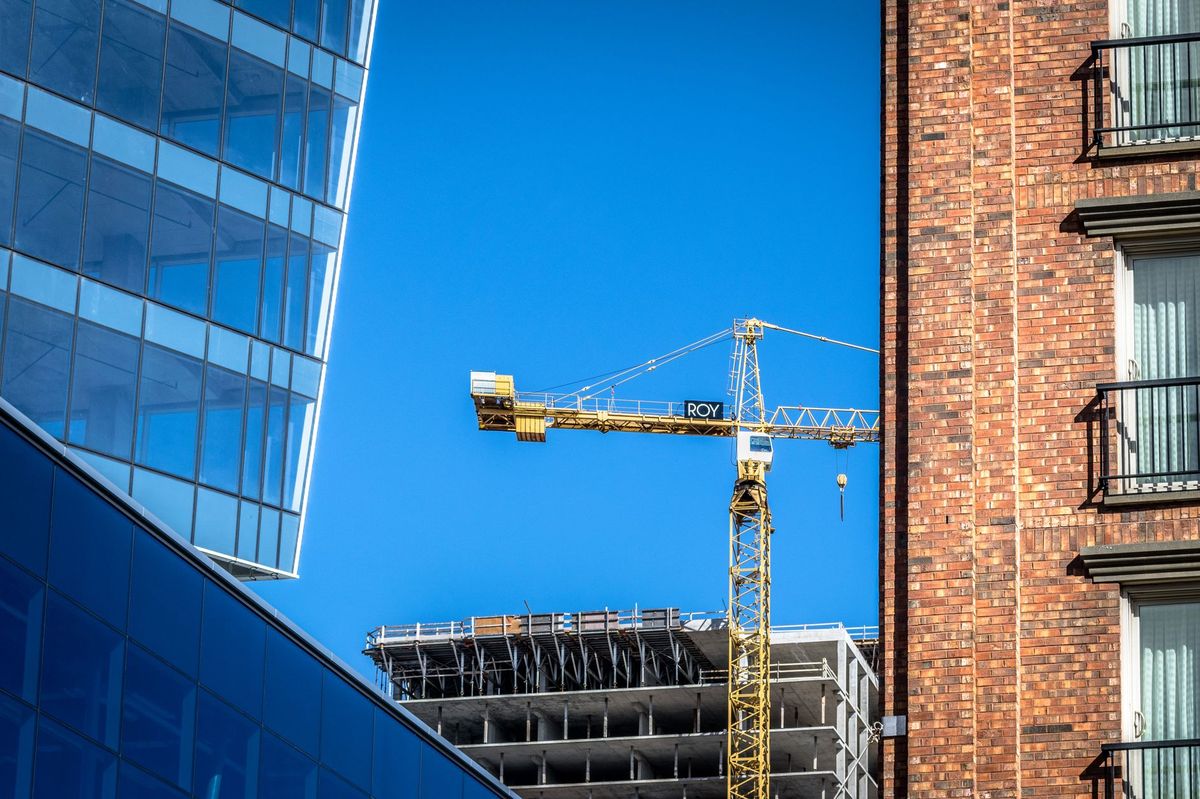
For the construction industry, this represents a structural shift. Data centers have moved from a niche specialty to a market large enough to affect labor availability, material pricing, and trade contractor capacity across entire metro areas.
Where the Money Is Going
Data center construction is geographically concentrated, and the top markets have pulled away from the rest of the country.
Northern Virginia
The Loudoun County corridor remains the largest data center market in the world, with more than 3 gigawatts of capacity and hundreds of megawatts under construction. Dominion Energy has committed billions to grid upgrades in the region, but power availability remains the binding constraint. New builds in Northern Virginia now face 36 to 48-month utility interconnection timelines, up from 12 to 18 months five years ago.
Dallas-Fort Worth
Texas has emerged as the second-largest data center market, driven by competitive power costs, available land, a business-friendly regulatory environment, and access to renewable energy. Several campuses exceeding 200MW are under development in the region.
Phoenix
Arizona's appeal centers on dry climate (which reduces cooling costs), available land in the West Valley, and proximity to West Coast demand without West Coast construction costs and regulatory overhead. Intel's semiconductor fabrication plants in Chandler have also built out local technical workforce capacity.
Columbus, Ohio
A mid-market that has grown rapidly due to affordable power, central geographic location (low-latency connectivity to major population centers), and aggressive state incentive programs. Google, Meta, and Amazon all have active projects in the region.
Atlanta
Georgia Power's relatively abundant generation capacity and the region's role as a fiber optic hub have made metro Atlanta one of the fastest-growing data center markets in the Southeast.
Other markets seeing significant activity include Salt Lake City, Reno, Kansas City, and several locations in the Carolinas. The common thread is power availability. In 2026, the single most important factor in data center site selection is whether the local utility can deliver 50 to 200 megawatts of reliable power within a reasonable timeframe.
What These Projects Look Like
A modern hyperscale data center is a massive construction project by any standard. Typical specifications for a single building on a campus:
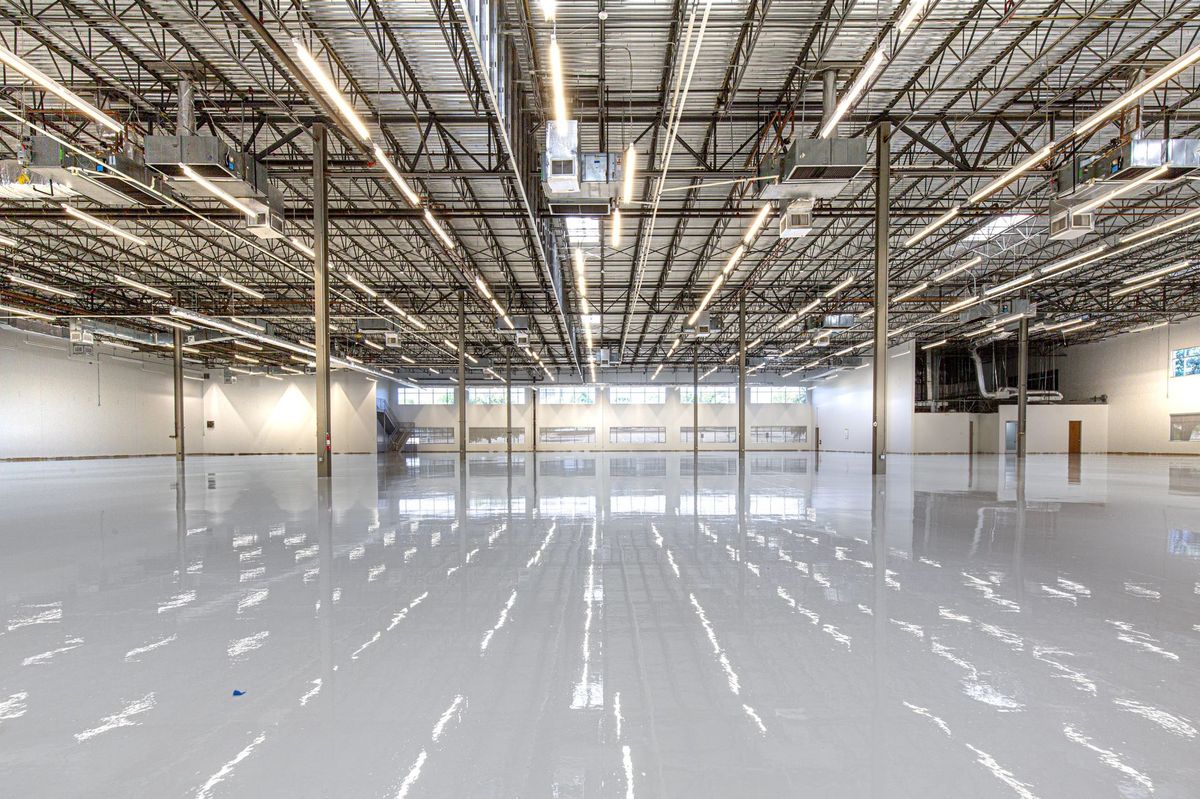
- 200,000 to 400,000 square feet of whitespace (the usable floor area for computing equipment)
- 50 to 100 megawatts of critical IT load capacity
- Total project cost of $500 million to $1.2 billion per building, including site work, shell, and mechanical/electrical infrastructure
- Construction timeline of 18 to 24 months from groundbreaking to commissioning
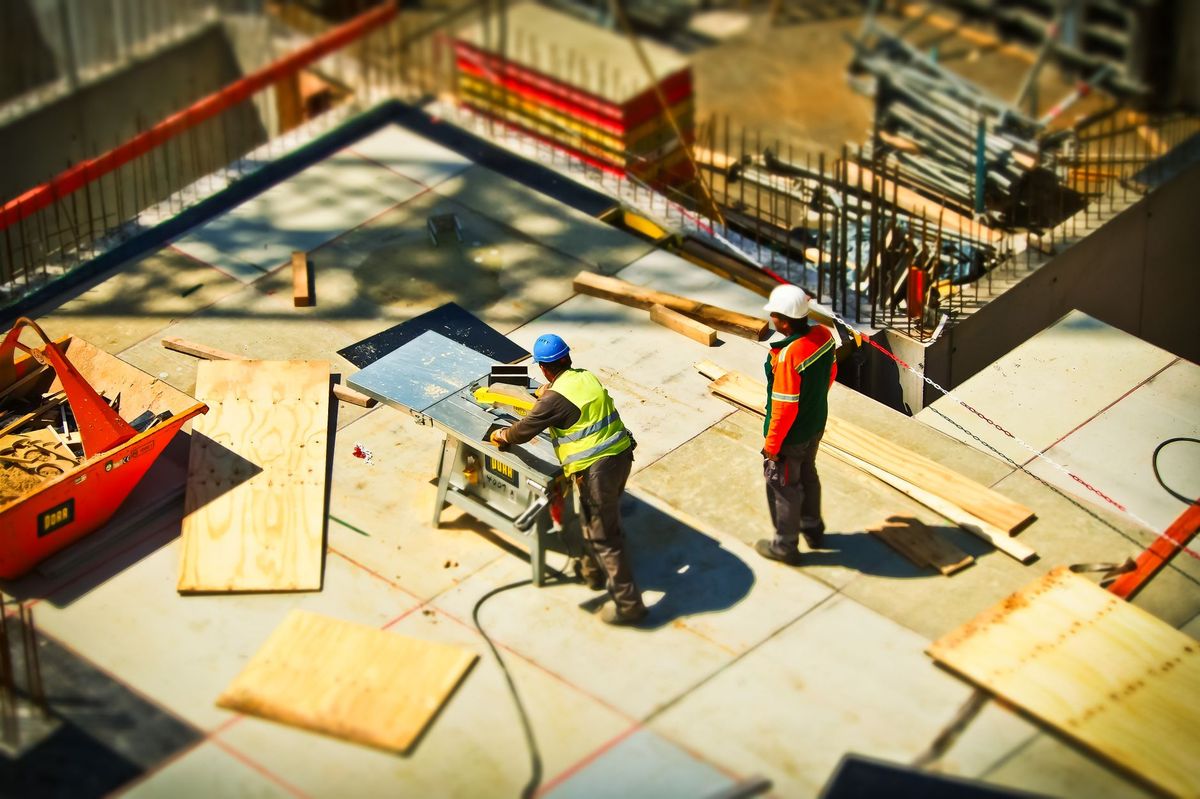
- Peak construction workforce of 1,500 to 3,000+ workers per building
A full campus may include four to eight buildings built in phases over five to ten years, with a total investment exceeding $5 billion.
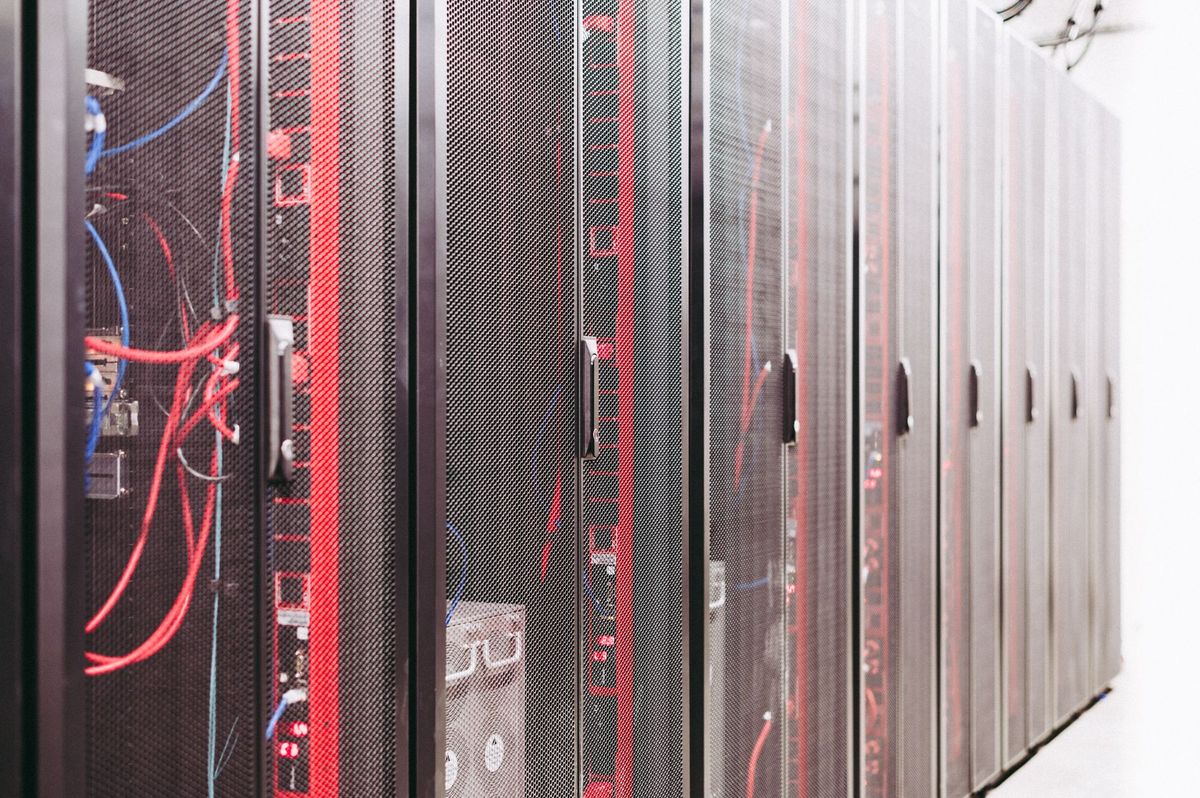
The construction is heavily weighted toward mechanical and electrical systems. A data center's shell — the concrete structure and exterior envelope — is relatively straightforward. The complexity and cost lie in the power distribution infrastructure (from medium-voltage switchgear to rack-level PDUs), cooling systems (increasingly liquid cooling alongside traditional air handling), fire suppression, and the redundancy required to maintain 99.999% uptime.
Trades in Highest Demand
The data center boom has created acute demand for specific construction trades.
Electrical
This is the most critical trade for data center construction and the one experiencing the most severe shortages. Data centers require electricians who can work with medium-voltage systems, complex switchgear, generators, UPS systems, and high-density power distribution. According to the National Electrical Contractors Association, demand for qualified electrical workers in data center markets has outpaced supply by an estimated 20% to 30%.
Electrical subcontractors working on data center projects report wage premiums of 15% to 25% above prevailing commercial rates in the same metro area. In Northern Virginia, journeyman electricians with data center experience can earn $45 to $55 per hour, with overtime frequently pushing annual compensation above $120,000.
HVAC and Mechanical
Cooling is the second-largest cost component of a data center after power infrastructure. Traditional approaches use computer room air handlers (CRAHs) and chilled water systems, but the industry is rapidly shifting toward direct liquid cooling as AI chip power densities exceed what air cooling can handle. Mechanical contractors who can install and commission liquid cooling systems are in particularly high demand.
Fire Protection
Data centers require sophisticated fire suppression systems — typically clean agent (gaseous) systems in the whitespace and pre-action sprinkler systems in support areas. The design and installation requirements are more complex than standard commercial fire protection, creating demand for specialized contractors.
Concrete and Structural
Data center floors must support loads of 250 to 350 pounds per square foot, significantly more than a typical commercial building. The structural concrete work requires precision and quality control, particularly for the elevated floors and equipment pads that support heavy generators and switchgear.
The Power Grid Problem
The single biggest constraint on data center construction growth is electric power. The U.S. grid was not designed for the concentrated loads that data centers represent, and utility generation and transmission capacity cannot be expanded overnight.
The Electric Power Research Institute estimates that data centers consumed approximately 4.4% of total U.S. electricity in 2025, up from roughly 2.5% in 2022. Under current growth projections, that share could reach 8% to 10% by 2030.
In Northern Virginia, the country's densest data center market, Dominion Energy has warned that new large-load customers may face interconnection delays of three to four years. In Georgia, Georgia Power has filed for rate increases partly to fund generation capacity needed for data center loads. In central Ohio, AEP Ohio has invested heavily in transmission upgrades to serve the growing data center cluster.
For construction contractors, power constraints create a cascading effect. When a project's energization date slips, the construction schedule shifts. Mechanical and electrical contractors may face stop-and-start workflows as projects wait for utility milestones. This makes project planning and workforce management more complex than on a typical commercial job.
Some data center operators are addressing power constraints by building their own generation — natural gas turbines, solar arrays, or even small modular nuclear reactors in the longer term. These on-site power projects create additional construction scope and represent a growing opportunity for contractors with power generation experience.
Modular Construction Methods
The pressure to deliver capacity quickly has accelerated the adoption of modular and prefabricated construction methods in data center building.
Rather than stick-building every mechanical and electrical system on site, many operators and general contractors are shifting to factory-built modules. A modular approach assembles power distribution units, cooling systems, and even complete data halls in a controlled factory environment, then ships them to the site for installation.
Turner Construction, Holder Construction, and several other major data center general contractors report that modular methods can reduce on-site construction time by 20% to 30% compared to traditional stick-built approaches. The trade-off is longer lead times for factory fabrication and more complex logistics for transporting large modules.
For trade contractors, modular construction shifts some labor hours from the field to the factory. This has implications for workforce planning, geographic flexibility (factories may not be in the same metro as the project site), and the mix of skills required. Field crews focus more on module setting, interconnection, and commissioning rather than ground-up installation.
What This Means for Contractors
The data center construction market presents real opportunities but also requires honest assessment of capabilities and risks.
The Opportunity
At $28.5 billion and growing, data center construction is large enough to sustain significant contractor capacity for years. The projects are well-funded (hyperscale operators have strong balance sheets), the pipelines are visible (publicly announced commitments extend through the end of the decade), and the work is concentrated in identifiable markets.
Electrical, mechanical, and fire protection contractors in data center markets are seeing sustained demand at premium pricing. General contractors with data center track records are booking work two to three years out.
The Barriers to Entry
Data center work has high barriers to entry. Operators and general contractors maintain approved subcontractor lists and require demonstrated experience on similar projects. Quality standards are exacting — a wiring defect that would be minor in a commercial office building can cause a catastrophic failure in a data center. Bonding requirements for electrical and mechanical packages commonly exceed $20 million.
Contractors without data center experience typically enter the market as lower-tier subcontractors on a specific scope (concrete, structural steel, site work) and build credentials over multiple projects.
The Risks
Geographic concentration is a double-edged sword. A contractor who builds their business around data center work in one market is exposed to local demand shifts, utility policy changes, or a single operator's decision to pause construction. The data center market has experienced boom-and-bust cycles before — the 2008-2010 period saw project cancellations and delays — and current enthusiasm should not be mistaken for guaranteed future demand.
Labor competition is another risk. When data center projects in a metro area are offering 15% to 25% wage premiums, other commercial projects in that same market struggle to attract qualified workers. This dynamic is already visible in Northern Virginia, Phoenix, and Columbus, where non-data-center commercial contractors report difficulty retaining electricians and mechanical workers.
The Numbers That Matter
For contractors evaluating this market, the key metrics to track are:
- JLL and CBRE quarterly data center market reports for pipeline and absorption data
- Utility interconnection queue data for target markets (available through state public utility commissions)
- Hyperscale operator capital expenditure announcements in quarterly earnings calls
- ENR data center construction cost indices for regional pricing trends
The data center construction boom is not speculation. The capital commitments are real, the demand driver (AI compute) shows no signs of slowing, and the construction spending is flowing. The question for individual contractors is whether they have the capabilities, capital, and risk tolerance to participate.
Data sources: JLL 2025 Data Center Outlook, CBRE North American Data Center Report Q4 2025, Electric Power Research Institute, National Electrical Contractors Association, Dominion Energy regulatory filings, Turner Construction industry briefings, ENR construction cost data.
Frequently Asked Questions
How large is the US data center construction market in 2026?
Data center construction investment hit $28.5 billion in 2025, a 34% increase year-over-year and roughly triple the spending level of 2021. The AI compute buildout is the primary driver, with hyperscale operators — Microsoft, Google, Amazon, and Meta — committing tens of billions to new campuses. The forecast for 2026 projects investment reaching $32 billion as AI infrastructure demand continues to outpace existing capacity.
What makes data center construction different from other commercial projects?
Data centers require power infrastructure that dwarfs any other commercial building type — a hyperscale facility may require 100 to 500 megawatts of electrical capacity, which involves substation construction, utility coordination, and on-site generator and UPS systems that dwarf what any other building type requires. The structural requirements for raised-floor systems, the precision of the mechanical and cooling systems, and the security requirements for the building envelope all differentiate data center construction. Most general contractors need specialized subcontractors in MEP, electrical distribution, and cooling systems to bid these projects competitively.
Which geographic markets are seeing the most data center construction activity?
Northern Virginia (Loudoun County and the surrounding DC corridor) remains the largest data center market by volume. Phoenix and the Valley of the Sun, Chicago, Dallas, and Hillsboro, Oregon are the other major established markets. Emerging markets include Georgia (outside Atlanta), the Carolinas, and Utah — all driven by a combination of power availability, land costs, tax incentives, and fiber connectivity. Waterloo and Quincy in Washington state have seen rapid growth due to proximity to cheap hydroelectric power.