I opened a bid package last month for a 38,000 SF medical office building shell. Three glazing subs returned numbers. The low bid was $1.74 million for the exterior envelope. The high bid was $2.41 million. Same drawings. Same specs. A $670,000 spread on one trade. After I dug into the line items with each sub, the difference wasn't markup or materials — it was their assumed labor rate per square foot and their take on what scope was included.
That spread is what every GC running commercial work in 2026 is dealing with. The honest truth on commercial glazing labor cost 2026 is that rates have climbed faster than almost any other envelope trade — figure 9–14% over 2023, with union curtain wall labor on the high end and non-union storefront on the low end. The shortage of certified glaziers and ironworkers is a permanent feature now, and it's reshaping how subs price your envelope.
I've been bidding glazing on commercial work for 28 years and I want to walk you through what subs are actually quoting in 2026, by system type, plus the scope traps that produce the kind of bid spreads I just described. This isn't a glazier's manual — it's the GC's perspective on getting accurate numbers.
2026 Glazing Labor Costs by System Type
The four systems I bid on most commercial work in 2026, with installed labor rates I'm seeing from prequalified subs:
Storefront ($14–$22/SF labor, installed)
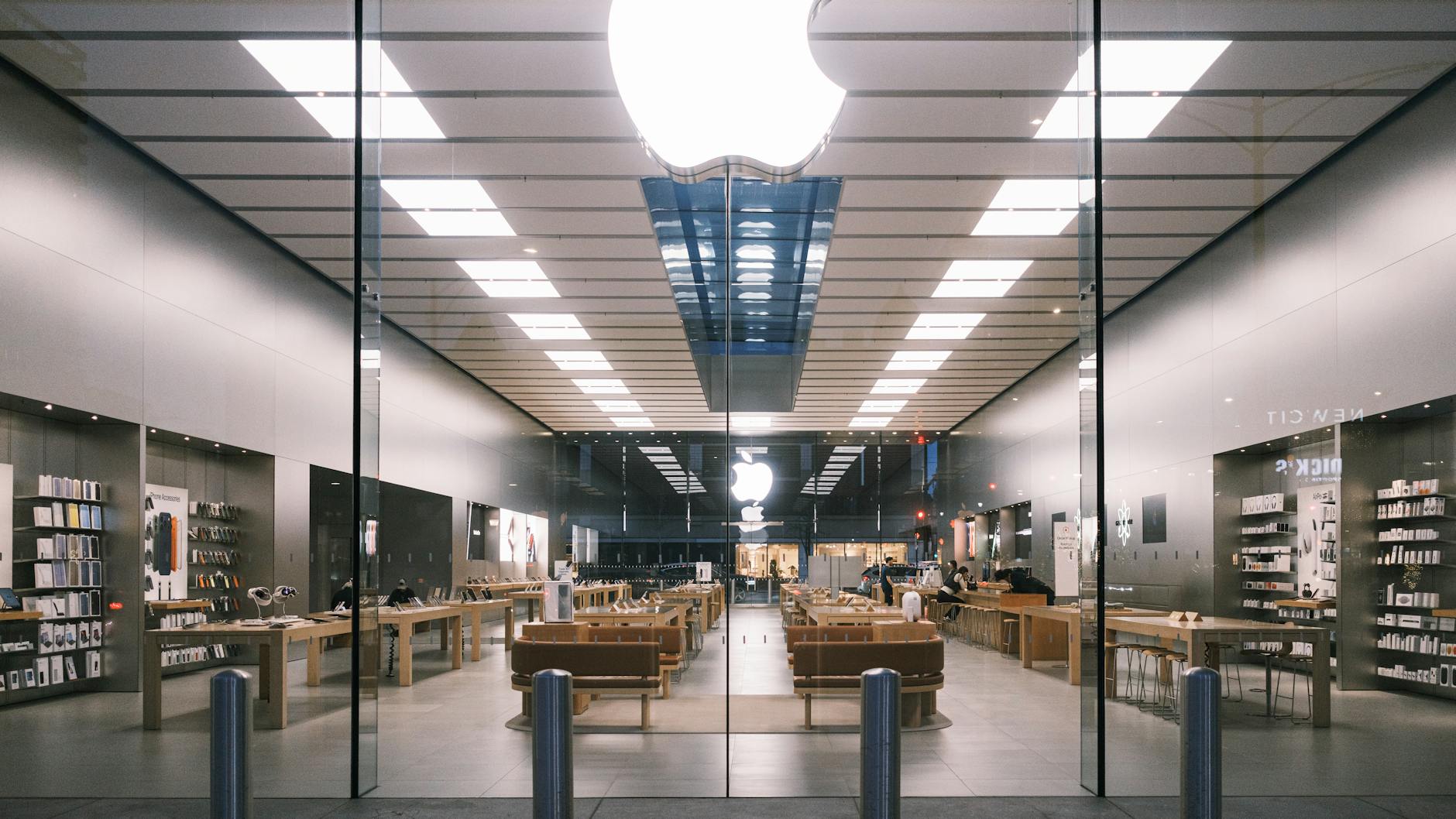
Stick-built aluminum framing with monolithic or insulated glass, typically up to 12 feet tall. Used on retail, restaurants, medical office, ground-floor commercial. The bread-and-butter system that every glazing sub handles. Labor on the low end ($14/SF) is non-union, simple rectangular openings, glass under 50 SF per lite. Labor at $22/SF is union, complex framing, larger lites, or higher elevations requiring lifts.
Material adds another $35–$55/SF for the aluminum, glass, gaskets, and hardware. Total installed: $50–$80/SF for typical storefront. Premium glass packages (low-iron, custom tint, large-format) push past $100/SF installed.
Curtain wall ($28–$45/SF labor, installed)
Stick-built or two-sided structural glazed aluminum framing, typically engineered for the project. Used on office buildings, hotels, mid-rise commercial. Labor is more expensive than storefront because the framing is heavier (often 2.5"+ deep mullions), the lites are larger and heavier (often requiring two-person handling or vacuum lifters), and the work is at height — which means swing stages, mast climbers, or boom lifts.
Material runs $65–$110/SF. Total installed for stick-built curtain wall is typically $95–$155/SF. This is what I'm seeing on most Class B office and hotel work in 2026.
Structural silicone glazing ($45–$75/SF labor, installed)
Two-sided or four-sided structural silicone systems where glass is bonded to the aluminum frame with structural silicone — no exterior cap. Most common in higher-end office and institutional architecture for the flush exterior appearance. Labor is the highest of the stick-built systems because the silicone application requires factory or shop bonding for four-sided systems, certified field crews for two-sided, and weather protection during cure. A bad silicone bead is a $50,000 callback.
Material runs $85–$140/SF. Total installed $130–$215/SF. Used on signature buildings, not on warehouses.
Unitized curtain wall ($35–$55/SF labor, installed)
Factory-assembled wall panels shipped to site and hung from the structure via embedded anchors. The labor-saving system used on most high-rise commercial in 2026 because the field labor per SF is dramatically less than stick-built — you're setting panels, not building framing in place. Labor at $35/SF on tower work where the panels are repetitive and a single crane lift sets eight panels. Labor at $55/SF when the building geometry is complex, panels are non-repetitive, or there are heavy corner units.
Material runs $95–$160/SF (includes the factory labor that would otherwise be field labor). Total installed $130–$215/SF. This is the system on every tower over 12 stories I bid in 2026.
For broader envelope cost context the commercial cost per SF dashboard tracks all-in shell pricing by building type and region.
Why Glazing Labor Is Climbing
Three forces are pushing glazing labor rates up faster than the general commercial labor index.
Glazier certification requirements are tighter. AAMA Installation Master certification, AGMT (Architectural Glass and Metal Technician), and OSHA fall-protection requirements for height work all narrow the qualified labor pool. A sub with five AGMT-certified field glaziers commands premium rates because most subs don't have that bench.
Ironworker shortage on the big jobs. On unitized curtain wall, the panels are typically set by ironworkers under jurisdictional agreements, not by glaziers. The same ironworker shortage hitting data center construction is hitting curtain wall installation. Ironworker hourly cost in union markets has moved from roughly $78/hour all-in fully burdened in 2022 to $92–$98/hour in 2026 — a 20%+ jump in three years.
The certified welders required for structural silicone, four-sided systems, and many anchor details are getting harder to find. Field welding on a curtain wall anchor requires AWS-certified welders. Subs that have them on payroll bill the premium.
Per BLS Occupational Employment Statistics, glazier mean hourly wage hit $32.40 in 2025 (up from $26.10 in 2020). Union glazier total package (wage + fringe) in Tier 1 metros now runs $78–$95/hour. That's the labor input feeding the per-SF rates above.
The Scope Traps That Blow Up Bids
The reason I get bid spreads of 30%+ on glazing is almost never about subs marking up wildly differently. It's about what's included in scope. Here are the line items that get assumed differently on every bid I've reviewed.
Who supplies the steel? Steel embeds, anchor plates, sometimes the full perimeter steel for curtain wall — these can be furnished by the structural steel sub, the glazing sub, or split. If your bid documents don't explicitly assign this, every glazing sub will assume differently, and the assumption swings the bid by $2–$6/SF easily. Spell out who provides what in writing in the bid invitation.
Glass takeoff method. Some subs price per SF of opening (frame + glass + every penetration). Some price per lite. Some price labor and material separately and combine at the end. When the bid form isn't standardized, you're comparing pears and avocados. Force a uniform bid form. I use a per-SF-of-opening basis with line items for material and labor, and I list every elevation separately so I can compare apples to apples.
Lift, swing stage, and mast climber inclusions. Access equipment is a major cost — a 90-day swing stage rental on a hotel tower is $25,000–$40,000. Some subs include it, some bid it as a separate line, some assume the GC provides it. Tell every bidder in writing: "Glazing sub provides all access equipment from grade to glazing work."
Temporary protection and corner protection during construction. Once glass is in, it's getting hit. Other trades scratching glass, framing sub dragging studs past a storefront, GC's own laborer denting an aluminum mullion. Who provides protection? Who's responsible for damaged units? Spell it out. I've watched $80,000 worth of glass scratches turn into a six-month dispute because nobody assigned responsibility.
Air and water testing. Specifications often require AAMA 501 field water testing on a representative panel. Cost is $4,000–$12,000 depending on test scope. Some subs include it, most don't unless told to. Make it explicit.
Sealant warranty pass-through. Sealant manufacturers like Dow and GE offer 10–20 year material warranties when the system is installed by certified applicators with the proper inspection paperwork. The sub providing this warranty pass-through often charges a premium ($1.50–$3/SF) versus a sub providing only their workmanship warranty. Decide what you need and ask for it.
How to Get Accurate Bids
After watching the kinds of spreads I'm describing get pulled in or expanded by how the bid is run, here's my checklist for tight bid coverage on glazing.
- Issue a single bid form with elevations listed separately and a uniform per-SF basis for pricing.
- Spell out steel responsibility in writing, including embeds, perimeter angles, and corner steel.
- Specify access equipment is the glazing sub's responsibility unless the project has a stair tower or external scaffolding the sub can use.
- List exactly which tests are required and at whose cost.
- Require certification documentation (AAMA Installation Master, AGMT) be included with the bid for the field crew that will run the job — not just the company's certifications.
- Require a bid breakdown by elevation with labor and material separated.
- Require lead time confirmations for the specified glass and aluminum products. Some unitized systems have 22–28 week fabrication lead times in 2026. If your schedule doesn't accommodate, you'll be paying premium for expedited fabrication.
- Pre-qualify the bidders. Three good bids beat seven random ones. I bid glazing to subs I've worked with or who pass a prequalification on bonding capacity, recent project list, and certifications.
If you want a quick all-in shell cost check before the glazing bids come in, run the project parameters through the cost estimator tool. Then check current glass and aluminum material trends so you know whether to lock pricing immediately on bid acceptance or wait a quarter.
What the 2026 Numbers Mean for Your Project
Pulling it together, here's how glazing labor cost typically breaks out as a percentage of an envelope budget on the commercial work I'm running:
- On a Class B office tower with unitized curtain wall: glazing is 18–24% of total shell cost
- On a Class A office with high-spec curtain wall: glazing hits 25–32% of total shell cost
- On medical office or retail with storefront: glazing is 8–14% of shell cost
- On a hotel tower with stick-built curtain wall: glazing is 16–22% of shell cost
For a 100,000 SF office building with a 35% wall-to-floor ratio, you've got roughly 35,000 SF of glazed envelope. At a blended $130/SF installed (mix of vision glass and spandrel), that's $4.55M of glazing on the project. Labor alone, at $40/SF blended, is $1.4M.
The point is glazing is one of the largest dollar trades on a commercial envelope, and it's also where I see the most bid variance and the most scope confusion. The GCs who get tight, comparable bids are the ones who issue rigorous bid documents, prequalify carefully, and don't accept the lowest number without understanding why it's low.
Frequently Asked Questions
What's the average labor cost for commercial glazing in 2026?
Labor rates depend on the system. Storefront runs $14–$22/SF labor installed. Stick-built curtain wall runs $28–$45/SF labor installed. Structural silicone systems run $45–$75/SF labor installed. Unitized curtain wall runs $35–$55/SF labor installed. Union vs non-union and complexity of the project drive where you land in those ranges.
Why are glazing labor costs climbing so fast?
Three drivers: tighter certification requirements (AGMT, AAMA Installation Master) narrowing the qualified labor pool, the ironworker shortage affecting unitized curtain wall installation, and AWS-certified field welder scarcity for structural silicone and anchor work. Labor inputs are up 9–14% since 2023 in most metros, faster than general commercial labor inflation.
What's the difference between storefront and curtain wall pricing?
Storefront is shorter (typically up to 12 feet), uses lighter framing, and goes in at ground level — total installed cost $50–$80/SF. Curtain wall extends multi-story, uses heavier engineered framing, requires access equipment for height, and uses larger heavier glass lites — total installed cost $95–$155/SF for stick-built. Unitized curtain wall is in the same range but shifts cost from field labor to factory labor.
What scope gaps cause the biggest bid spreads?
Steel responsibility (embeds, anchor plates, perimeter angles), access equipment inclusion (swing stages, mast climbers), temporary protection during construction, AAMA 501 water testing, and sealant warranty pass-through. Each of these can swing a bid $2–$6 per SF if not explicitly assigned in the bid documents. A standardized bid form with explicit scope assignments is the single biggest tool a GC has to get comparable numbers.
How long do curtain wall and unitized systems take to fabricate?
In 2026, stick-built curtain wall is typically 14–18 weeks from approved shop drawings. Unitized curtain wall is 18–28 weeks from approved shop drawings — sometimes longer for complex unit types. Order glazing immediately on shop drawing approval. Pushing it later is the most common reason commercial projects miss enclosure deadlines.
Should I pay extra for an AGMT-certified glazing crew?
On structural silicone and four-sided silicone systems, yes — certification is functionally a prerequisite for the manufacturer's sealant warranty pass-through, and a failed silicone bead is a six-figure repair. On standard storefront and stick-built curtain wall, certification matters less. Spec the systems where it matters and pay the premium; don't pay it on storefront where it doesn't.