A brewery with a taproom is really two buildings under one roof. The production side is a wet, hot, heavily serviced light industrial space with sloped floors, trench drains, glycol cooling, high-capacity power and often steam. The taproom side is a bar and assembly space with restrooms, finishes and a draft system. Budgets go wrong when owners price the whole thing like a bar, or when contractors miss how much utility work the brewhouse needs.
An earlier version of this article was built around first-person job stories and a cost table we could not trace to any published source. Those have been removed. What follows uses dated published figures and federal data, and says plainly where no reliable number exists.
The Market You Are Building Into
Brewery construction is happening in a shrinking industry. The Brewers Association counted 9,578 operating U.S. craft breweries in 2025, a 2.9% net decline from 2024, with 300 openings and 481 closures (Brewers Association, April 14, 2026, updated May 29, 2026). Craft production fell 4% to 22.0 million barrels, though craft's share of U.S. beer volume rose from 13.2% to 13.4%. The same release counted 3,784 taprooms (down 2.7%) and 3,525 brewpubs (down 2.5%).
Census County Business Patterns counted 5,218 employer establishments in NAICS 312120, breweries, in 2023, up from 5,165 in 2022 (Census API, retrieved October 2026). That count only includes breweries with paid employees and uses a different definition from the Brewers Association's, so the two numbers do not match.
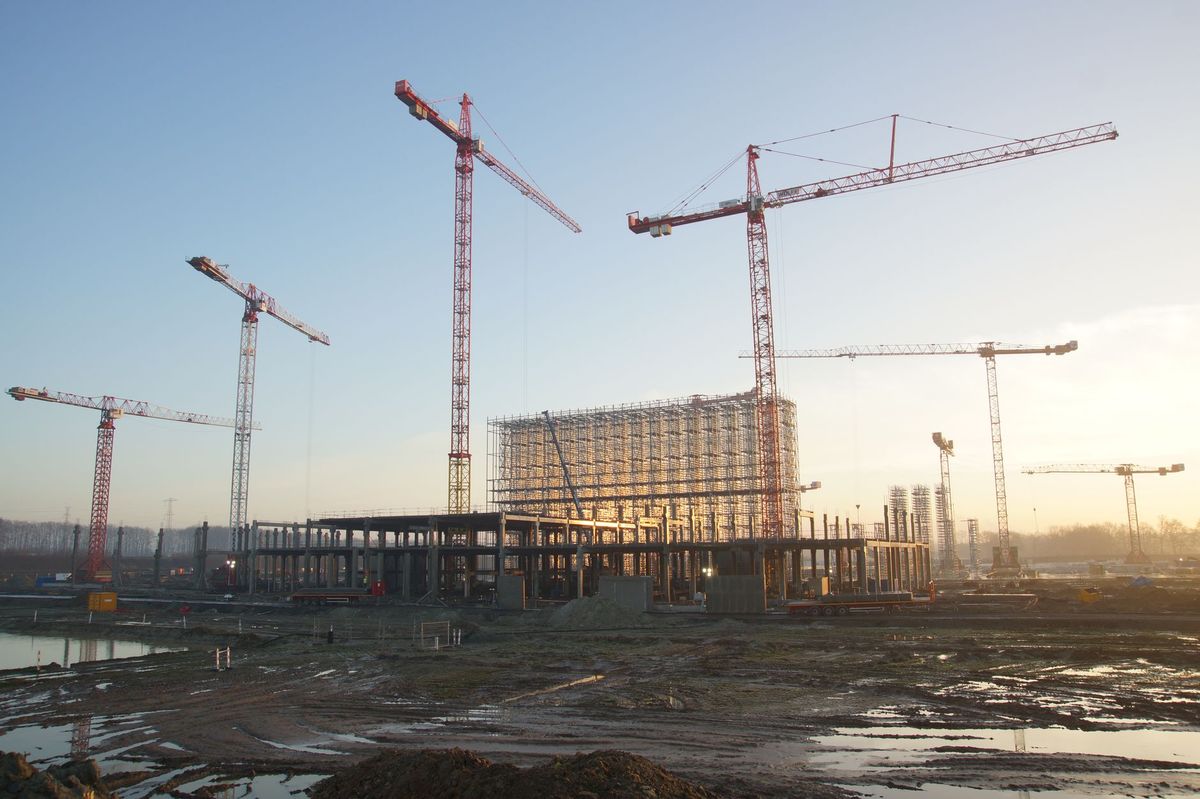
On the construction side, Census data show private spending on dining and drinking buildings at a $6.04 billion seasonally adjusted annual rate in August 2026, down from $7.35 billion in August 2025, about an 18% drop (Census Value of Construction Put in Place, private seasonally adjusted detail, released October 1, 2026). That category covers restaurants and bars broadly, not just taprooms, but it shows the hospitality side of the market has cooled.
For contractors, the practical read is that fewer new breweries are opening, and the owners who do build are under pressure to keep the budget tight.
Published Cost Ranges
We found no government or independent survey of brewery construction costs. The most detailed dated public estimate we found is from Terrapin Construction Group, a design-build general contractor, in a guide updated June 8, 2026. It describes its figures as estimates synthesized from its project experience and industry sources, so treat them as one contractor's published ranges, not a market survey (Terrapin Construction Group):
| Format (national-average ground-up hard costs) | $/SF, per Terrapin |
|---|---|
| Production brewery (shell plus process) | $120 to $280 |
| Nanobrewery / small taproom buildout | $180 to $345 |
| Microbrewery (brewing plus taproom) | $210 to $420 |
| Brewpub / taproom with full kitchen | $245 to $485 |
For a microbrewery with a taproom, the same guide puts shell and structure at 28% to 36% of cost, process and building MEP at 26% to 34%, finishes at 16% to 22%, sitework at 10% to 16%, and soft costs at 16% to 26%.
For a second reference point, Gordian's RSMeans square-foot models (2019 national average data, not escalated) put a new 5,000-square-foot restaurant at $199.37 per square foot open shop and $219.52 union, including contractor and architectural fees (RSMeans restaurant model), and a 30,000-square-foot one-story factory at $115.78 open shop and $128.71 union (RSMeans factory model). RSMeans has no brewery model. The restaurant model is a rough stand-in for a taproom with a kitchen, and the factory model is a rough stand-in for a production shell before process systems. Both are six-year-old prices.
None of these numbers replaces a local bid. They are useful for checking whether an owner's budget is in the right range.
The Systems That Drive the Brewhouse Budget
Floors and drainage
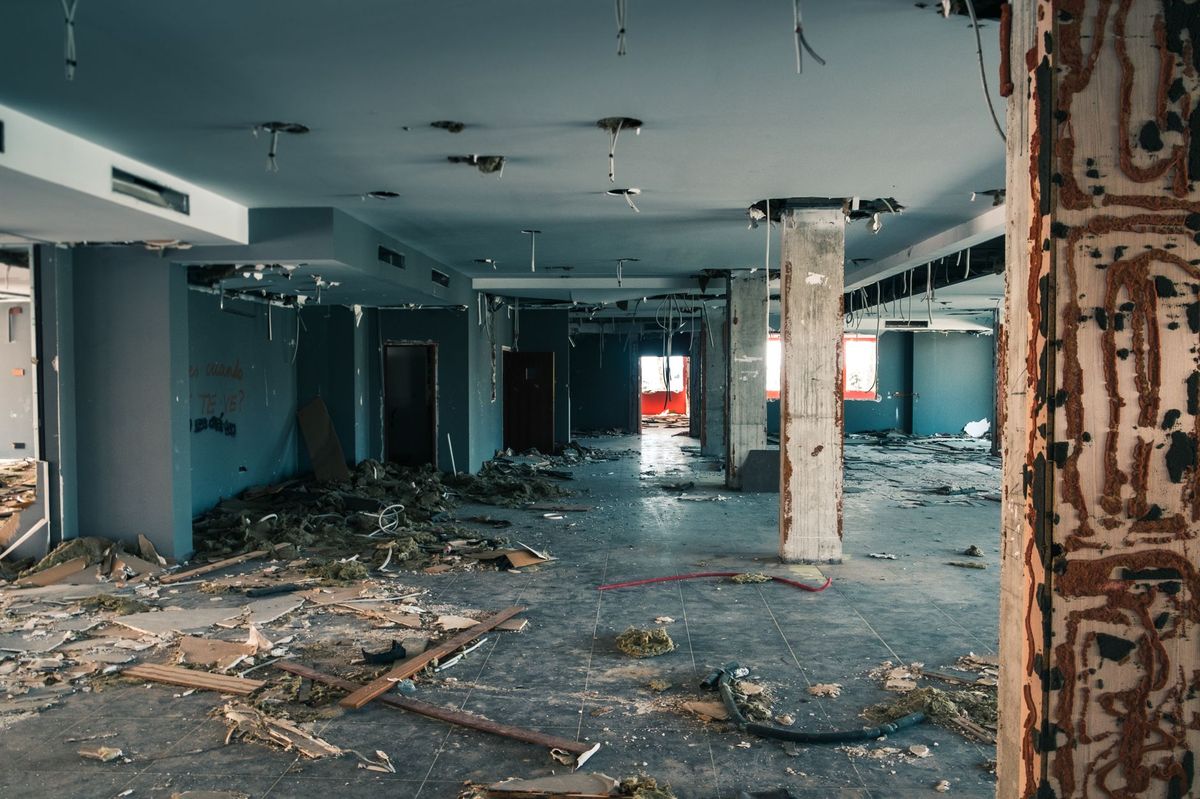
Brewery production floors take constant water, hot caustic and acid cleaning solutions, and thermal shock. They are typically sloped to trench drains and finished with a chemical-resistant coating such as urethane cement; Terrapin's guide calls trench drains and chemical-resistant flooring essential and lists under-budgeting them as a frequent mistake. In an existing building with a flat slab, getting proper slope often means removing and re-pouring sections of slab around new drains. A flood test before coating catches low spots while they are still cheap to fix. If you are estimating re-pours, our concrete calculator helps with volumes; sloped pour-backs take more material than a flat takeoff suggests.
Wastewater
Brewery wastewater is high in sugars, yeast and cleaning chemicals, and its pH swings. Many sewer authorities set pretreatment requirements, surcharges or sampling for breweries. Ask the local sewer utility early what it requires; pH neutralization or a sampling port can become part of the plumbing scope.
Glycol cooling
Fermentation gives off heat, so fermenters and brite tanks are jacketed and cooled by a central glycol chiller with insulated supply and return piping. The system is sized to the tank count and production schedule. Owners who plan to add tanks later should consider stubbing extra glycol connections during the initial build, because adding them after the floor is coated and the tanks are set is more disruptive.
Power
Brewhouses need heavy electrical service, especially electric-fired systems, plus power for the glycol chiller, pumps, controls and packaging. Many small industrial and retail spaces do not have three-phase service, and getting it from the utility can take months. Ask the utility for a written load letter and timeline before the lease is signed. For current trends in wire and electrical gear prices, see our electrical material prices report.
Steam or direct fire
Larger brewhouses often use steam-jacketed kettles, which means a boiler with its own permits and inspections under state boiler rules. Direct-fire gas kettles avoid the boiler but need adequate gas service and flue venting. Either way, this is mechanical scope a standard bar buildout never carries.
CO2 safety and ventilation
Fermentation and carbonation produce carbon dioxide, which can build up in production rooms and cold rooms. The International Fire Code and the International Mechanical Code address CO2 systems and ventilation, and many jurisdictions require gas detection and alarms where CO2 can accumulate. Confirm the requirement and the device locations with the fire marshal during design.
The Taproom Side
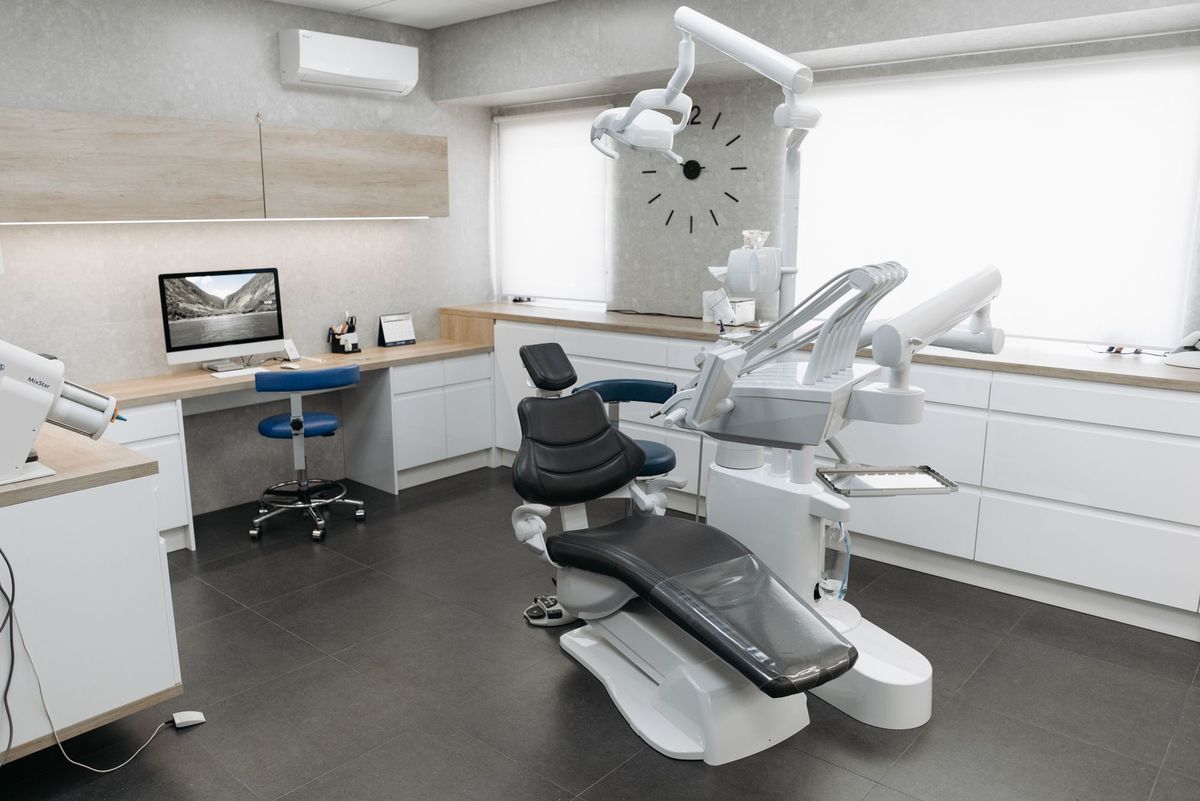
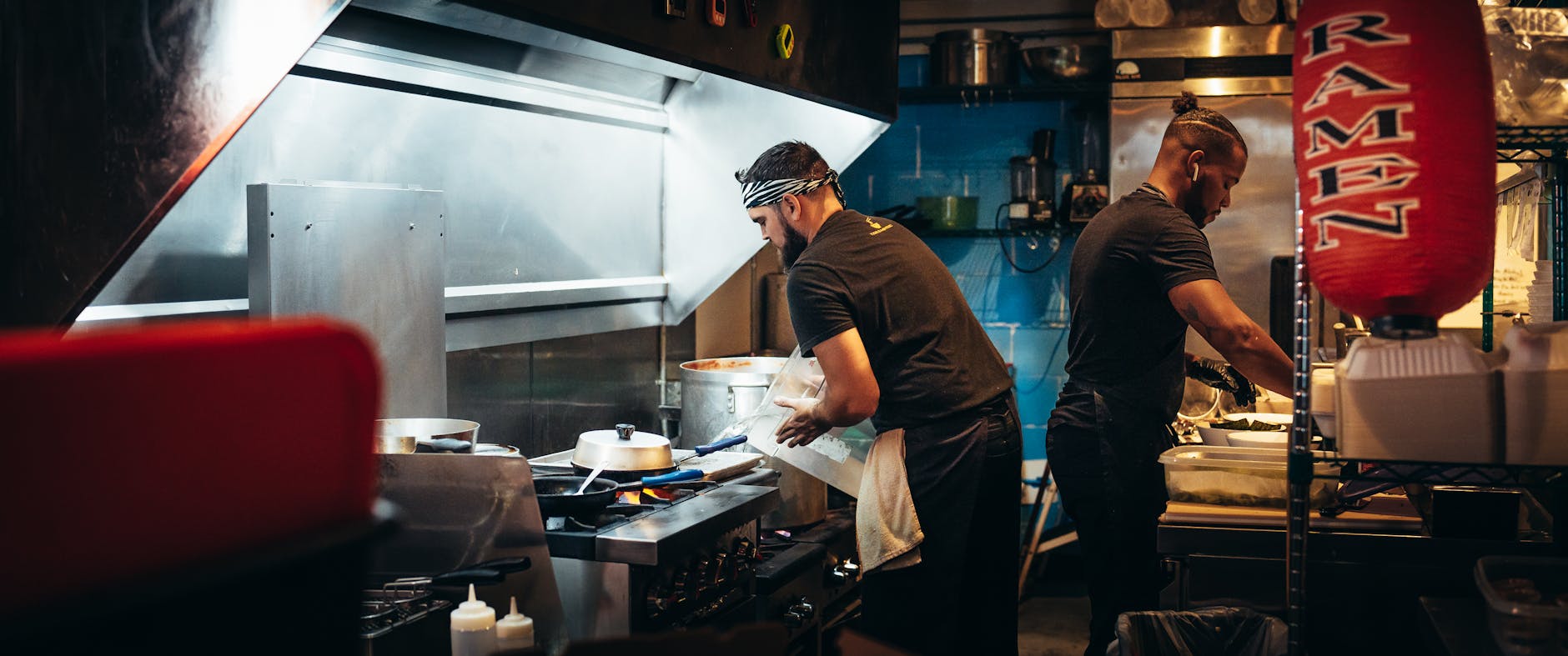
The taproom is closer to ordinary hospitality construction: bar and millwork, a draft system (often glycol-cooled trunk lines from a walk-in cooler), restrooms sized for the assembly occupancy load, finishes, lighting and accessibility. Adding a full kitchen pushes the project toward restaurant costs, including a Type I hood and fire suppression; see our commercial kitchen hood installation cost guide and our look at restaurant build-outs as a specialty.
The interface between the two halves is where coordination problems show up: drainage and washdown on one side, finished floors on the other; cold room and draft lines crossing between them; and different occupancy classifications that may need fire separation.
Permits and Licensing
Federal: the TTB Brewer's Notice
A brewery cannot produce beer without a Brewer's Notice from the Alcohol and Tobacco Tax and Trade Bureau. TTB's own processing statistics show median processing times for original brewery applications of 43 days in June 2026, 35 days in July and 34 days in August, against a customer service goal of issuing 85% of permits within 75 days (TTB processing statistics, data as of September 28, 2026). Half of applications take longer than the median, so build in more time than that. The application includes a description and diagram of the brewery premises, and TTB's own applicant training material says an adjacent tasting room should be included in the premises description and shown on the diagram. That means the floor plan needs to be settled before filing, and later layout changes may need an amended notice.
State and local
State alcohol licensing usually follows the federal notice. The health department may treat the production area as a food processing facility with its own finish and sink requirements. Zoning can be its own hurdle, since production brewing is often treated as a light industrial use and a taproom as an assembly or eating and drinking use. Some jurisdictions require a conditional use permit for one or both. Map the full approval path before the lease is signed; in many projects the approvals, not construction, set the opening date.
Does the Project Pencil?
Construction cost is only half the decision. Owners should test the budget against realistic sales, especially now that the Brewers Association reports more closures than openings for 2025. Our break-even calculator is a quick way to see how many pints a week it takes to carry the debt service on a given buildout, and the construction cost estimator helps frame the building portion before bids come in.
For contractors, brewery work fits shops that are comfortable with industrial plumbing, slab work, process piping coordination and hospitality finishes in one project. The scope is narrower than a general TI bid list, which can mean fewer competitors, but price the slab, drainage and utility risks explicitly.
Frequently Asked Questions
How much does it cost to build a brewery with a taproom?
There is no independent national survey. One published contractor estimate, Terrapin Construction Group's guide updated June 8, 2026, puts ground-up microbrewery-plus-taproom hard costs at $210 to $420 per square foot and production breweries at $120 to $280. Brewing equipment is usually a separate budget. Get local bids.
Why do brewery floors cost so much?
Production floors have to drain to trench drains, survive hot caustic and acid cleaning, and handle thermal shock. In existing buildings, that usually means removing and re-pouring slab to create slope, installing trench drains and applying a chemical-resistant coating such as urethane cement.
How long does a TTB Brewer's Notice take?
TTB reported median processing times for original brewery applications of 43 days in June 2026, 35 days in July and 34 days in August. Half of applications take longer than the median, and state licensing usually follows the federal approval.
How many breweries are there in the U.S.?
The Brewers Association counted 9,578 craft breweries operating in 2025, down 2.9% from 2024, with 300 openings and 481 closures. Census counted 5,218 employer brewery establishments in 2023 under a narrower definition.
Do I need three-phase power for a brewery?
Most production breweries need three-phase power for the brewhouse, glycol chiller and pumps. If the building does not have it, the utility upgrade can take months, so ask for a load letter before signing the lease.
Is brewery construction growing?
Not overall. The Brewers Association reported a net decline in craft breweries in 2025, and Census data show private construction spending on dining and drinking buildings down about 18% year over year in August 2026.
Your Action Item for This Week
If you are bidding a brewery, ask the owner for the brewhouse equipment layout and utility schedule before you price anything, and call the local sewer authority about pretreatment rules. If you are an owner, get the utility's answer on three-phase power and the sewer authority's answer on wastewater in writing before you sign a lease.