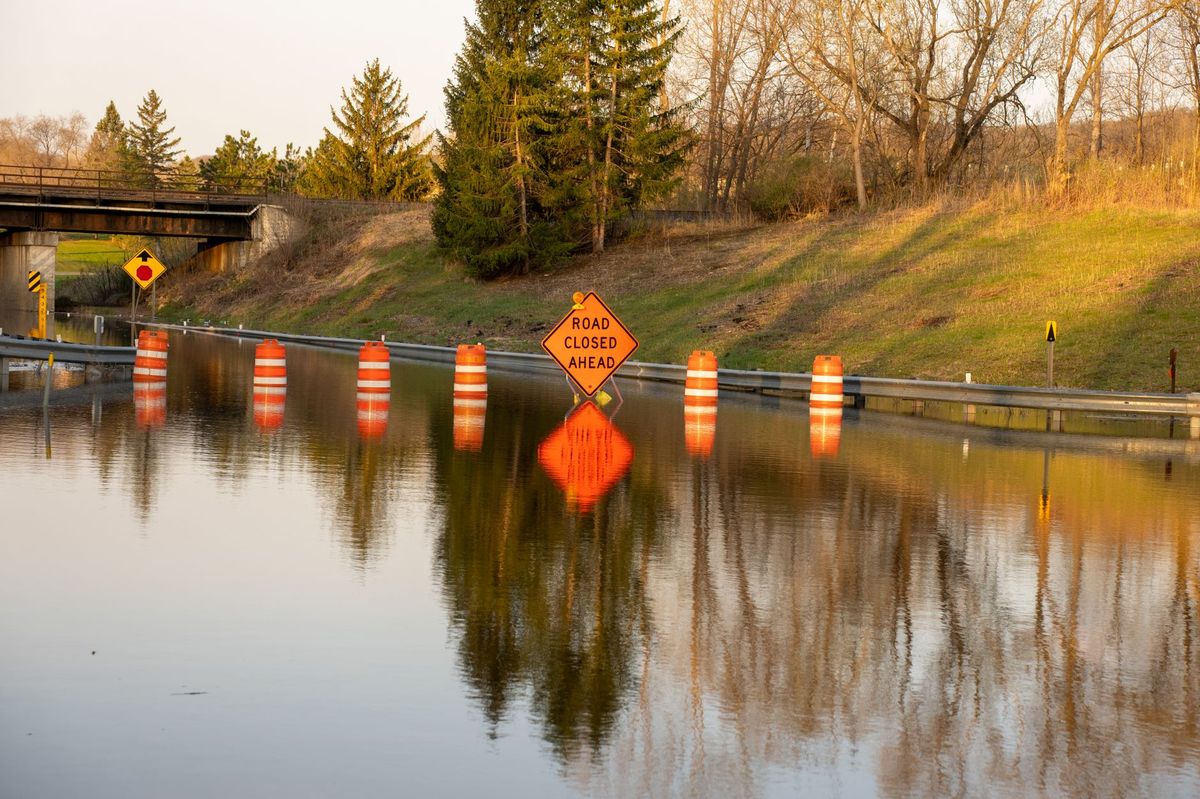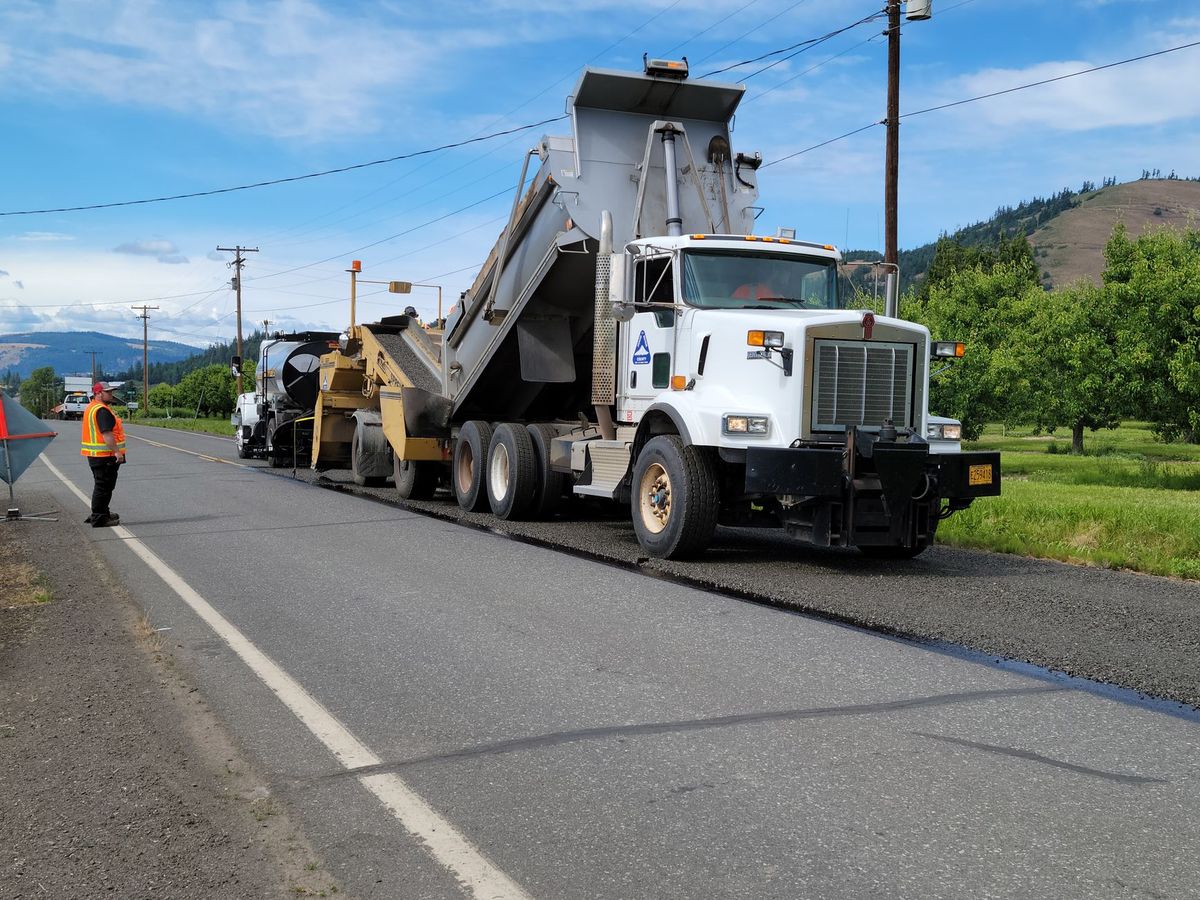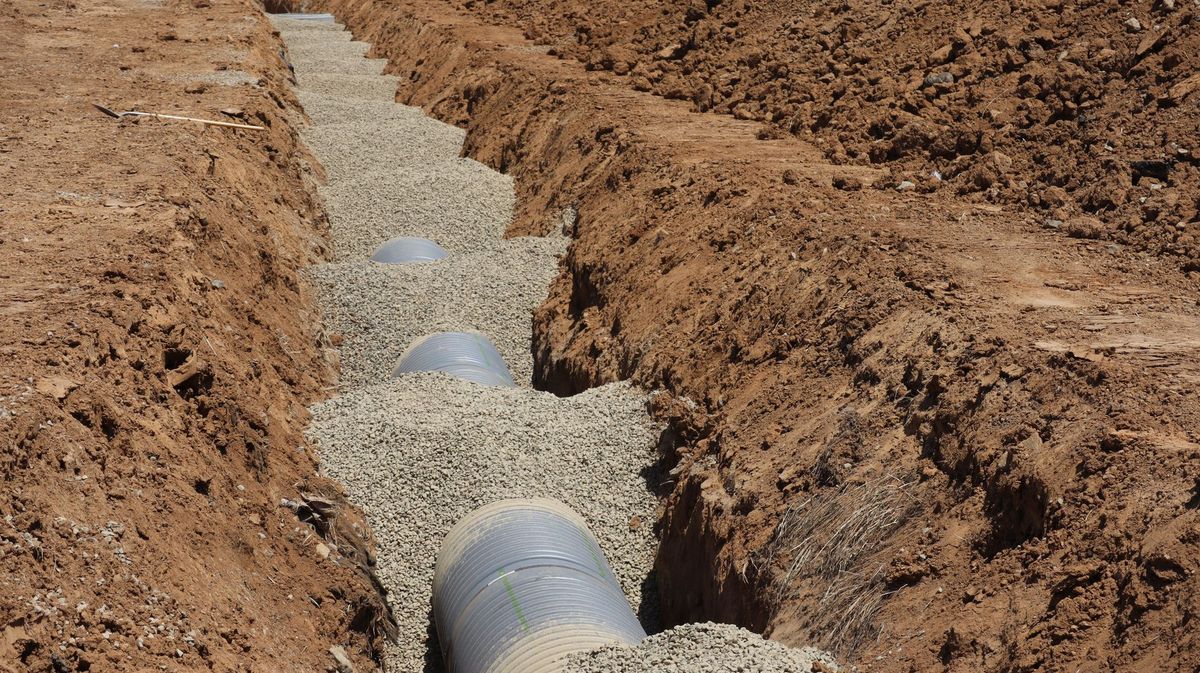
Total US pipeline construction spending across all utility sectors has reached $24 billion annually — a figure that encompasses natural gas transmission and distribution, water transmission and distribution, wastewater collection, electric conduit and duct bank construction, and emerging categories like hydrogen pipeline and carbon capture pipeline infrastructure. The aggregate spending figure has grown 35% since 2021, driven primarily by water system replacement mandates and electric utility underground construction rather than the traditional driver of oil and gas midstream development.
The numbers tell a different story than the political framing of pipeline construction as primarily an oil and gas activity. In 2026, water and wastewater pipeline construction ($9.8 billion) exceeds natural gas pipeline spending ($7.2 billion) for the first time in over a decade, reflecting the massive water infrastructure replacement cycle driven by aging pipe systems, lead service line mandates, and regulatory requirements for wastewater collection system improvements.
Spending by Sector
Water and Wastewater Pipelines: $9.8 billion. Water main replacement represents the largest single category at $5.4 billion, driven by the age of the nation's water distribution network — the average water main in the US is 47 years old, and approximately 240,000 water main breaks occur annually according to AWWA. Replacement costs range from $100 to $400 per linear foot for 6 to 12-inch distribution mains and $300 to $1,200 per foot for 24 to 48-inch transmission mains. Wastewater collection system construction and rehabilitation accounts for $4.4 billion, including new gravity sewer construction for developing areas, CIPP lining and pipe bursting for rehabilitation of aging systems, force main replacement, and lift station construction.
Natural Gas Pipelines: $7.2 billion. Gas pipeline construction breaks into two segments. Transmission pipeline construction ($3.8 billion) includes new large-diameter (20 to 42-inch) interstate and intrastate pipelines and integrity management programs including inline inspection, anomaly assessment, and repair. Distribution pipeline construction ($3.4 billion) includes replacement of aging cast iron and bare steel mains with polyethylene (PE) or coated steel, new service installations in developing areas, and leak detection-driven replacement programs. The Pipeline and Hazardous Materials Safety Administration (PHMSA) reports approximately 65,000 miles of gas distribution mains are replaced annually at an average cost of $130 to $350 per foot.
Electric Utility Underground Construction: $5.2 billion. Underground electric infrastructure includes distribution undergrounding in wildfire and hurricane zones (California alone at $3.5 billion annually), duct bank and manhole construction for underground transmission in urban areas, and conduit installation for distributed energy resources including EV charging infrastructure. Underground electric construction costs range from $1 to $5 million per mile for distribution undergrounding to $15 to $50 million per mile for underground transmission duct bank systems.
Emerging Pipeline Categories: $1.8 billion. New pipeline construction categories include hydrogen pipelines (blending infrastructure for existing gas systems and dedicated hydrogen transport lines), carbon dioxide pipelines for carbon capture and storage (CCS) projects connecting capture facilities to injection sites, and recycled water distribution systems (purple pipe networks for non-potable reuse).
Construction Methods
Pipeline construction methods vary by diameter, depth, material, and urban versus rural setting:
Open-Cut Trenching remains the most common method for distribution-size pipelines (4 to 16 inches) in areas where surface disruption is acceptable. Equipment includes excavators, trenching machines, pipe layers, and compaction equipment. Productivity rates of 500 to 2,000 feet per day depend on depth, soil conditions, and utility conflict density.
Horizontal Directional Drilling (HDD) is used for crossings under rivers, highways, railroads, and developed areas where surface disturbance must be minimized. HDD can install pipelines from 2 to 48 inches diameter at depths of 10 to 200+ feet. Equipment costs for large HDD rigs range from $3 to $15 million. The technique is particularly important for gas transmission pipeline crossings and water transmission installations.
Direct Pipe and Microtunneling combine tunneling and pipe installation for precision crossings in sensitive environments. Direct pipe pulls product pipe through a TBM-excavated bore simultaneously with excavation, achieving accuracy of less than 1 inch from design alignment. Microtunneling uses guided jacking of precast concrete or steel pipe segments through excavated bore. Both methods cost $1,000 to $3,000+ per linear foot but provide the highest level of ground control and precision.
Pipe Bursting and Slip-Lining provide trenchless rehabilitation of existing pipelines. Pipe bursting replaces the host pipe with a new pipe of equal or larger diameter by fracturing the existing pipe outward. Slip-lining inserts a smaller-diameter new pipe inside the existing pipe. These methods cost 40 to 70% less than open-cut replacement while minimizing surface disruption.
Fusion Welding and Joining is critical for polyethylene pipeline construction (both water and gas). Butt fusion welding and electrofusion joining require certified operators and specialized equipment. HDPE fusion machines range from $5,000 for small-diameter manual units to $200,000+ for large-diameter automated units.
Workforce Analysis
Pipeline construction employs approximately 185,000 workers nationally across all sectors. Key trades include pipeline operators and laborers at 60,000, equipment operators (excavators, sidebooms, HDD rigs) at 35,000, welders (certified pipe welders for steel gas and oil pipelines) at 18,000, pipe fitters for mechanical connections and valve installation at 15,000, HDD operators and technicians at 8,000, and inspectors, surveyors, and project managers at 12,000.
The pipeline workforce faces the same aging challenge as other construction trades. Approximately 30% of certified pipe welders are over 55, and apprenticeship programs are not replacing retirees at a sufficient rate. Certified pipeline welders now earn $35 to $65 per hour with significant overtime opportunities, and experienced HDD operators command $30 to $50 per hour.
Contractor Landscape
The pipeline construction market serves three distinct tiers. National pipeline contractors — MasTec, Quanta, Primoris, INFRA/TRC, and select Quanta subsidiaries — handle large-diameter transmission projects and multi-year utility distribution replacement programs. Regional pipeline contractors (50 to 500 employees) compete for distribution-size utility work within specific service territories. And local excavation and utility contractors perform service line replacements, small main extensions, and subcontract work for larger projects.
Market Outlook
Pipeline construction spending is projected to reach $30 billion annually by 2030, with growth driven primarily by water infrastructure replacement mandates, electric utility undergrounding programs, and emerging hydrogen and CCS pipeline development. The natural gas pipeline segment is expected to remain relatively stable, with new transmission construction offset by reduced gas distribution expansion in regions pursuing building electrification.
For construction firms, the pipeline market offers diverse entry points across multiple utility sectors, strong regulatory drivers that sustain demand regardless of economic conditions, and geographic distribution across all 50 states. Firms that maintain certifications across multiple pipeline types (gas, water, electric) and multiple construction methods (open-cut, HDD, trenchless rehabilitation) will be best positioned to capture work across the full spectrum of pipeline construction opportunities.
The Hydrogen Pipeline Opportunity
Hydrogen pipeline construction represents the most significant emerging segment of the pipeline construction market. The Department of Energy's Regional Clean Hydrogen Hubs (H2Hubs) program has awarded $7 billion across 7 regional hubs, each requiring construction of hydrogen production facilities, pipeline distribution networks, and end-use connections.
Hydrogen pipeline construction presents unique technical requirements compared to conventional natural gas pipelines. Hydrogen's small molecular size causes embrittlement in conventional carbon steel pipe, requiring either special hydrogen-rated steel alloys (API 5L X42 or X52 with specific chemistry and heat treatment requirements), fiber-reinforced composite pipe systems designed for hydrogen service, or polyethylene pipe for lower-pressure distribution applications.
Welding procedures for hydrogen pipeline construction are more demanding than conventional gas pipeline welding, requiring tighter control of heat input, preheat temperatures, and post-weld heat treatment to prevent hydrogen-induced cracking. Certified hydrogen pipeline welders command premium wages of $40 to $70 per hour, and the limited pool of qualified welders is a significant constraint on hydrogen pipeline construction capacity.
The 7 H2Hubs collectively plan approximately 1,200 miles of new hydrogen pipeline construction over the next decade, with estimated construction costs of $2 to $5 million per mile depending on diameter, pressure class, and terrain. This represents a $3 to $6 billion construction opportunity for pipeline contractors with hydrogen-rated capabilities.
Carbon Capture Pipeline Development
Carbon capture, utilization, and storage (CCUS) pipeline construction is another emerging segment driven by the Inflation Reduction Act's enhanced 45Q tax credits providing up to $85 per ton for geologic storage of captured CO2. Several major CO2 pipeline projects are in development, including Summit Carbon Solutions' Midwest Carbon Express (2,000+ miles connecting ethanol plants to storage sites in North Dakota), Navigator CO2 Ventures' Heartland Greenway (1,300 miles across 5 Midwest states), and Wolf Carbon Solutions' Mount Simon pipeline system.
CO2 pipeline construction uses many of the same techniques as oil and gas pipeline construction — open-cut trenching, HDD crossings, and automated pipeline welding — but requires specialized metallurgy, safety systems, and emergency response planning due to the asphyxiation risk of CO2 releases. Pipeline construction costs for CO2 transport are estimated at $2 to $4 million per mile for 8 to 16-inch diameter pipelines.
Workforce Development and Training
The pipeline construction industry faces a critical workforce development challenge. The aging of experienced pipeline workers — particularly certified pipe welders and HDD operators — is creating a skills gap that training programs are struggling to fill.
Certified Pipeline Welding is the most critical skills shortage. Pipeline welding certification under API 1104 (the standard for pipeline welding) requires demonstrated proficiency in welding carbon steel pipe in all positions (flat, horizontal, vertical, and overhead) using specified welding processes (typically shielded metal arc welding, or SMAW, and semi-automatic processes like flux-cored arc welding, or FCAW). Achieving certification takes 2 to 4 years of training and supervised field experience.
The Pipeline Contractors Association (PLCA) estimates the industry needs to recruit and train 12,000 to 15,000 new pipeline welders over the next decade to replace retiring welders and meet growing construction demand. Training programs at community colleges and union apprenticeship centers are expanding, but the lengthy certification timeline means the skills gap will persist for several years.
HDD Operator Training is similarly constrained. Operating a large HDD rig — steering the drill head through variable ground conditions, managing drilling fluid properties, monitoring downhole tooling, and responding to unexpected ground conditions — requires years of field experience to develop proficiency. There is no formal certification standard for HDD operators (unlike pipe welding), which makes quality assurance more dependent on individual contractor training programs and operator experience.
Regulatory Drivers by Sector
Each pipeline sector has distinct regulatory drivers that sustain construction demand:
Water pipelines are driven by EPA drinking water quality standards (the Lead and Copper Rule Improvements being the most significant current driver), state Public Utility Commission orders requiring system improvements, and consent decrees from enforcement actions related to water quality violations. These regulatory mandates are effectively non-discretionary — utilities must comply regardless of budget constraints or economic conditions.
Gas pipelines are driven by PHMSA safety regulations including integrity management requirements for transmission pipelines, distribution integrity management programs (DIMP), and specific mandates for replacement of vintage materials (cast iron, bare steel) and components. PHMSA's post-San Bruno and post-Merrimack Valley regulatory actions have significantly increased the pace of mandatory gas pipeline replacement.
Wastewater pipelines are driven by EPA Clean Water Act enforcement, including consent decrees requiring municipalities to eliminate sanitary sewer overflows (SSOs) and reduce combined sewer overflows (CSOs). Major consent decree programs in cities like Atlanta, Indianapolis, Louisville, and Kansas City have driven billions of dollars in wastewater collection system construction over the past two decades, and similar programs continue to be negotiated in additional cities.
Quality Assurance and Inspection
Pipeline construction quality assurance is among the most rigorous in the construction industry, driven by safety regulations and the catastrophic consequences of pipeline failures.
Welding Inspection on steel gas and oil pipelines requires 100% radiographic or ultrasonic examination of all field welds. Radiographic inspection uses X-ray or gamma-ray sources to produce film or digital images of weld cross-sections, identifying internal defects such as porosity, incomplete fusion, and cracking. Automated ultrasonic testing (AUT) uses multiple ultrasonic transducer arrays to scan welds and produce detailed defect maps. Both methods require certified inspectors (typically Level II or Level III under ASNT SNT-TC-1A).
Hydrostatic Testing — pressurizing completed pipeline sections with water to 125% of maximum operating pressure — is required before any pipeline can be placed in service. Hydrostatic testing requires large volumes of clean water (a 24-inch pipeline requires approximately 5,000 gallons per 100 feet of pipe), pressurization equipment, calibrated pressure recording instruments, and water disposal or treatment after testing.
Coating Inspection for externally coated steel pipelines includes holiday detection (using high-voltage spark testers to identify pinholes in the coating), adhesion testing, and thickness measurement. Coating defects left undetected can lead to accelerated corrosion and premature pipeline failure.
These quality requirements create demand for specialized inspection firms and add 8 to 12% to pipeline construction costs, but are essential for ensuring pipeline integrity and regulatory compliance.
Frequently Asked Questions
How much federal funding goes to pipeline construction spending 2026?
Industry analysts tracking pipeline construction spending 2026 report that 2026 has brought measurable shifts. With data showing $24 billion, the trend line suggests continued movement through the remainder of the year. Builders should factor this into both current bids and forward-looking project estimates.
Which states benefit most from pipeline construction spending 2026?
The geographic landscape for pipeline construction spending 2026 is shifting in 2026. Data indicating 35% underscores the importance of market selection for contractors seeking growth. Western and southeastern states continue to attract disproportionate investment relative to their population share.
What is the timeline for pipeline construction spending 2026 projects?
Year-over-year comparisons for pipeline construction spending 2026 show meaningful change. The figure of $9.8 billion from current data represents a shift that contractors need to account for in their planning and bidding strategies. Historical trend analysis suggests this trajectory may continue through the end of the year.