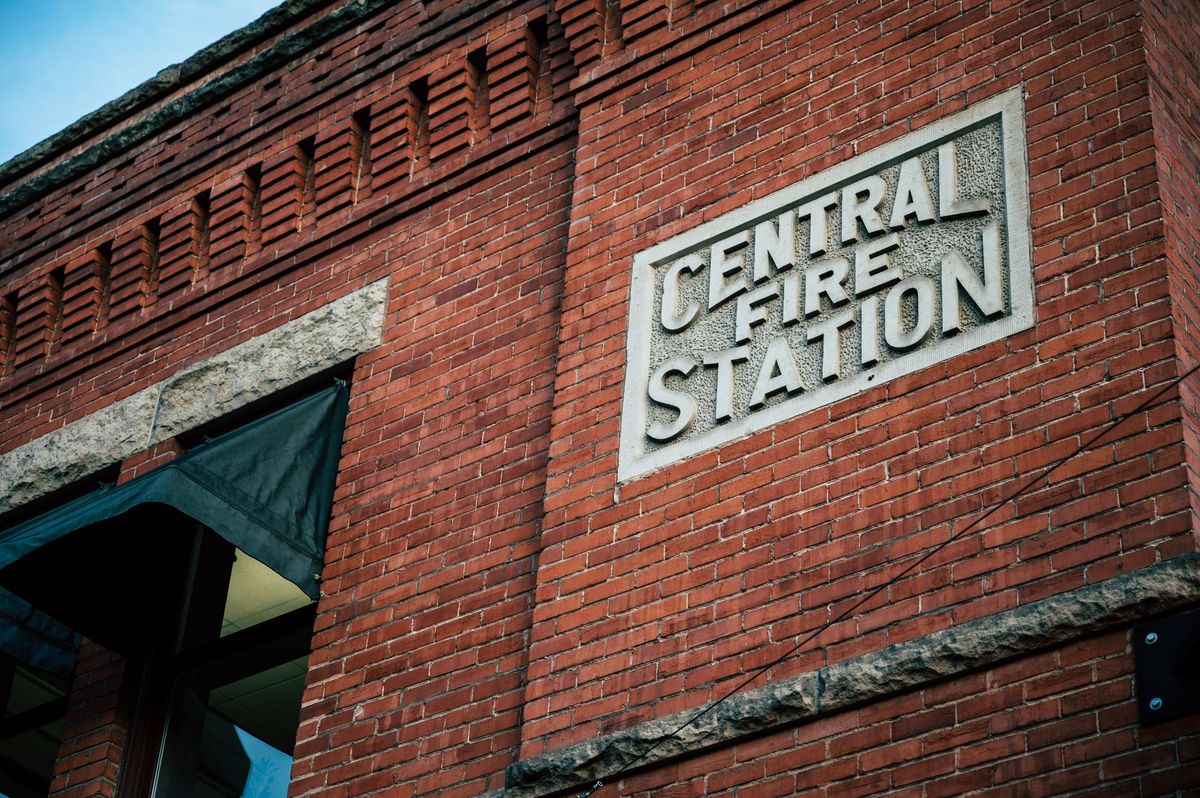
The math: fire station construction now averages $650 per square foot nationally, making fire stations among the most expensive building types in municipal construction — roughly 2x the cost of comparable commercial buildings. A standard 3-bay fire station of 15,000 to 18,000 SF now costs $8 to $12 million to build, while larger headquarters stations with training facilities, administration space, and community rooms can exceed $25 million.
Bottom line: fire station construction costs have increased approximately 38% since 2020, driven by specialized structural requirements, 24/7 occupancy demands, and technology integration that transform what appears to be a simple industrial building into one of the most complex municipal construction projects a contractor can take on.
Why Fire Stations Cost More Than Commercial Buildings
The cost premium for fire stations relative to commercial construction stems from several factors that compound across every building system:
Structural Requirements. Fire stations must support apparatus bays housing vehicles weighing 40,000 to 80,000 pounds (ladder trucks can exceed 70,000 pounds). Bay floors require reinforced concrete slabs 6 to 8 inches thick with heavy-duty joint sealers rated for apparatus wheel loads, compared to the 4 to 5-inch slabs typical of commercial construction. The bays themselves require clear spans of 60 to 80 feet to accommodate apparatus maneuvering without interior columns, necessitating steel or precast concrete long-span structures. Apparatus bay doors — typically 12 to 14 feet wide and 14 to 16 feet tall — require heavy-duty overhead door systems rated for 50,000+ cycle life at costs of $15,000 to $35,000 per door installed.
24/7 Occupancy Standards. Unlike office buildings occupied 8 to 10 hours per day, fire stations are continuously occupied by crews on 24 or 48-hour shifts. This creates residential-grade requirements for sleeping quarters (typically 8 to 12 individual bedrooms), commercial kitchen facilities meeting health department standards, shower and locker facilities for on-duty crews, day room and fitness areas for off-duty time, and laundry facilities for turnout gear decontamination. The dual commercial/residential nature of fire stations means that mechanical, electrical, and plumbing systems must serve both occupancy types, increasing design complexity and construction cost.
Exhaust Extraction Systems. Diesel exhaust exposure is a significant occupational health hazard for firefighters. Modern fire stations require vehicle exhaust extraction systems that capture and remove diesel exhaust at the tailpipe as apparatus starts and moves within the station. Direct-connect systems (hoses that attach to each vehicle's exhaust pipe and automatically disconnect as the vehicle drives out) cost $15,000 to $25,000 per bay position installed. Source-capture systems that detect exhaust and activate ventilation cost $30,000 to $50,000 per bay.
Communications and Technology. Fire stations serve as emergency communications hubs requiring redundant dispatch systems with backup power, computer-aided dispatch (CAD) terminals and displays, station alerting systems (speakers, lights, digital message boards) throughout the building, backup radio communications equipment, and dedicated server rooms with UPS and dedicated HVAC. Technology systems typically represent 8 to 12% of total fire station construction cost, compared to 3 to 5% for typical commercial buildings.
Decontamination and Cancer Prevention. Growing awareness of firefighter occupational cancer has driven new construction requirements including dedicated turnout gear washing and drying rooms (industrial extractors costing $15,000 to $30,000 each), separation of "hot" (contaminated) and "clean" zones with separate HVAC systems to prevent cross-contamination, specialized flooring and wall finishes rated for chemical decontamination, and shower facilities adjacent to the apparatus bay for immediate post-incident decontamination. These features add $200,000 to $500,000 to fire station construction costs but are increasingly mandated by fire department health and safety policies and NFPA 1500 compliance.
Cost Breakdown: A Typical 3-Bay Station
Business tip: Understanding the detailed cost breakdown helps contractors price fire station work accurately and identify where value engineering can reduce costs without compromising functionality.
A representative 16,000 SF, 3-bay fire station at current national average costs breaks down approximately as follows:
- Site work and utilities: $600,000 to $1,000,000 (grading, paving, utilities, landscape)
- Foundation and structural: $1,200,000 to $1,800,000 (slab, foundations, structural steel/concrete)
- Building envelope: $800,000 to $1,200,000 (walls, roofing, windows, apparatus doors)
- Interior finishes: $1,000,000 to $1,500,000 (flooring, walls, ceilings, millwork)
- Mechanical (HVAC): $800,000 to $1,200,000 (heating, cooling, ventilation, exhaust extraction)
- Plumbing: $400,000 to $600,000 (domestic water, sanitary, fire protection)
- Electrical: $600,000 to $900,000 (power, lighting, fire alarm, low-voltage)
- Technology systems: $300,000 to $500,000 (communications, dispatch, alerting)
- Specialties: $200,000 to $400,000 (lockers, turnout gear storage, flagpole, signage)
- General conditions and overhead: $1,100,000 to $1,600,000 (15 to 18% of hard costs)
Total hard construction cost: $7 million to $10.7 million Soft costs (A/E, testing, permits, FF&E): $1.5 million to $2.5 million Total project cost: $8.5 million to $13.2 million
Regional Cost Variations
Fire station construction costs vary significantly by region, reflecting differences in labor markets, material costs, building code requirements, and seismic/wind design requirements:
- West Coast (CA, OR, WA): $750 to $950/SF — highest costs due to seismic design, California prevailing wage, and restrictive building codes
- Northeast (NY, NJ, MA, CT): $700 to $850/SF — high labor costs and union requirements drive premium pricing
- Mountain West (CO, UT, AZ): $550 to $700/SF — moderate costs with growing labor markets
- Southeast (FL, GA, NC, TX): $450 to $600/SF — lowest costs nationally, though hurricane design requirements add cost in coastal areas
- Midwest (IL, OH, IN, MI): $500 to $650/SF — moderate costs with strong union labor markets in urban areas
Contractor Selection and Delivery Methods
Fire station construction is performed by a mix of general contractors and specialized public safety building contractors. The specialized firms — including companies like Saunders Construction, The Korte Company, and Shook Construction — have developed expertise in fire station design-build delivery and understand the operational requirements that drive design decisions.
Business tip: Contractors entering the fire station market should start with smaller volunteer or combination department stations ($3 to $6 million) before pursuing larger career department headquarters projects. The learning curve on fire station-specific requirements is significant, and smaller projects allow contractors to build expertise and references without the exposure of a $15+ million project.
Design-build delivery is increasingly common for fire station construction, used in approximately 55 to 60% of new stations. The design-build approach allows fire departments to engage directly with the contractor-architect team during design, ensuring that operational requirements are incorporated from the earliest design phases rather than discovered as costly change orders during construction.
The Active Construction Pipeline
An estimated 350 to 400 fire stations are under construction or in design nationwide at any given time, representing an annual construction market of approximately $3 to $4 billion. The market is driven by station replacement cycles (most fire stations have 40 to 50-year service lives before replacement), department relocations to serve growing communities, addition of new stations in expanding jurisdictions, and renovation/expansion of existing stations to accommodate modern apparatus and equipment.
Bottom line: fire station construction is a durable, recession-resistant niche within the public building construction market. Fire departments must replace aging stations regardless of economic conditions, and the technical complexity creates meaningful barriers to entry that limit competition and support healthy margins for experienced contractors.
Apparatus Bay Design and Construction Details
The apparatus bay is the operational heart of a fire station, and its construction requirements drive significant cost. Modern apparatus bays incorporate several features that increase construction complexity and cost beyond simple industrial garage construction.
Drive-Through vs Back-In Configuration. Drive-through bays (with doors on both ends) cost 15 to 20% more than back-in bays due to additional door systems, structural framing for two openings per bay, and longer slab sections. However, drive-through configurations reduce apparatus response time by eliminating the need to back trucks in, which is increasingly important for safety and insurance reasons.
In-Floor Radiant Heating. Apparatus bays require heating systems that maintain above-freezing temperatures without overhead units that could interfere with truck operations. In-floor radiant heating using PEX tubing embedded in the concrete slab costs $8 to $15 per SF but provides uniform heating, prevents ice formation on the bay floor, and dries wet apparatus after emergency responses. The heating system must be designed to operate with the thermal mass of the heavy-duty concrete slab, requiring careful integration between the mechanical and structural design teams.
Apparatus Bay Ventilation. Beyond exhaust extraction systems for diesel fumes, apparatus bays require general ventilation systems sized for the heat rejection of running apparatus engines (each fire engine generates approximately 50,000 to 100,000 BTU/hr of heat when running in the bay), makeup air systems to replace exhausted air without creating negative pressure that interferes with overhead door operation, and temperature control that maintains occupant comfort for firefighters performing equipment checks and maintenance. The bay ventilation system alone can cost $80,000 to $150,000, representing a significant portion of the total HVAC budget.
Floor Coating and Drainage. Apparatus bay floors require epoxy or polyurea coating systems rated for vehicle traffic, chemical resistance (from fuel, oil, and firefighting chemicals), and anti-slip performance. Coating systems cost $5 to $12 per SF applied, with preparation (shot-blasting the concrete surface) adding $2 to $4 per SF. Floor drains must connect to an oil-water separator before discharging to the sanitary sewer, at an additional cost of $5,000 to $15,000 per separator.
Living Quarters: Residential Construction Within a Commercial Building
The living quarters portion of a fire station represents a unique construction challenge — building residential-quality living spaces within a commercial/industrial building envelope. Key construction considerations include acoustic separation between the living quarters and apparatus bays (STC 55+ partition assemblies to allow sleeping while apparatus operates in adjacent bays), separate HVAC zoning for sleeping areas with individual room temperature control, residential-grade kitchen construction meeting commercial food service codes due to the number of meals prepared, individual sleeping rooms with data connections, task lighting, and closet space for 24 to 48-hour shift personnel, and day room and fitness areas designed for durability under continuous use with commercial-grade flooring, wall protection, and furniture anchorage.
The living quarters typically represent 35 to 45% of total fire station square footage but can account for 40 to 50% of total construction cost due to the higher finish levels, complex MEP requirements, and specialized equipment (commercial kitchen, industrial laundry) required.
Sustainability and Energy Performance
Modern fire stations are increasingly required to achieve LEED certification or equivalent energy performance standards. Sustainable fire station construction features include solar photovoltaic arrays (rooftop or carport-mounted, sized to offset 30 to 50% of station electrical consumption), high-performance building envelopes (R-30+ walls, R-40+ roofs, triple-pane windows), geothermal or air-source heat pump heating and cooling, rainwater harvesting for apparatus washing and landscape irrigation, LED lighting with daylight harvesting controls, and green building materials (low-VOC finishes, recycled content materials, FSC-certified wood).
These sustainability features add 5 to 10% to initial construction cost but can reduce annual operating costs by 30 to 50%, generating lifecycle savings that justify the construction premium — particularly for fire stations expected to operate for 40 to 50 years.
Business tip: Many fire departments are now including electric vehicle charging infrastructure in new station construction to accommodate the transition to electric apparatus. While fully electric fire engines are not yet widely deployed, the electrical infrastructure (conduit, panel capacity, transformer sizing) to support future EV charging is best installed during initial construction at a fraction of the cost of retrofit. Including EV-ready infrastructure in your fire station proposals demonstrates forward thinking that differentiates your firm from competitors.
Alert System and Response Technology
Modern fire station alert systems have evolved from simple overhead bells to sophisticated, multi-zone notification systems that manage the transition from rest to emergency response while minimizing physiological stress on firefighters.
Station Alerting Systems include zoned audio alerting that provides different notification levels for different station areas (apparatus bay, living quarters, training rooms), LED light systems that ramp up gradually in sleeping quarters (reducing the cardiac stress associated with sudden bright-light awakening), automated message displays showing incident type, location, and apparatus assignment, bay door pre-opening systems that automatically open the appropriate apparatus bay doors when an alarm is received, and traffic signal pre-emption transmitters that change nearby traffic signals to facilitate apparatus departure.
Station alerting system construction involves dedicated low-voltage wiring throughout the building, display and speaker installation in every occupied room, interface with the dispatch center's computer-aided dispatch (CAD) system, and integration with the building's fire alarm and security systems. A complete station alerting system costs $150,000 to $350,000 depending on the number of zones, display quantity, and level of automation.
Training Facilities
Many fire stations include dedicated training spaces that add construction scope and cost. Indoor training features include a multi-purpose training room (1,000 to 2,000 SF) with AV capability for classroom instruction, a physical fitness area (1,500 to 3,000 SF) with commercial-grade fitness equipment, and in some cases, indoor burn rooms or confined space training props.
Outdoor training facilities — more common at headquarters stations than neighborhood stations — may include a training tower (3 to 5 stories of steel and concrete construction for ladder, ventilation, and rescue training at $500,000 to $1.5 million), burn building (reinforced concrete structure designed for repeated live fire training at $800,000 to $2 million), vehicle extrication pad (concrete pad with vehicle props for practicing vehicle rescue techniques at $50,000 to $100,000), and driver training area (paved course for apparatus driving practice at $200,000 to $500,000).
Training facilities can add $1 million to $4 million to a fire station project, transforming it from a standard 3-bay station into a regional training center. Contractors should clarify training facility scope early in the project definition phase, as these elements significantly affect project size, budget, and construction timeline.
Municipalities and design-build teams pricing a station can frame the budget with our free construction cost estimator and check apparatus-bay slab quantities with the concrete calculator. See our guide to estimating construction costs for the underlying method.
Frequently Asked Questions
How are fire station construction cost projects funded?
Federal and state data confirm that fire station construction cost continues to be a major factor in 2026 construction planning. The latest available figure of $650 provides a useful baseline, though actual costs vary by region, project scope, and market conditions. Contractors should request updated quotes from suppliers and subcontractors before finalizing bids.
What is the average cost of fire station construction cost?
Regional analysis of fire station construction cost reveals uneven distribution across U.S. markets. The data point of 15,000 highlights the scale of activity, with Sun Belt and high-growth metro areas generally leading in volume. Contractors expanding into new territories should evaluate local demand indicators before committing resources.
Which states are investing the most in fire station construction cost?
The trajectory for fire station construction cost tells an important story when viewed against historical benchmarks. With the latest data showing 18,000, the trend has clear implications for project feasibility, bidding accuracy, and resource allocation across the construction sector.