The Correction the Data Predicted
For three years, warehouse and distribution center construction defied gravity. From 2021 through 2023, industrial construction starts exceeded 500 million square feet annually — triple the historical average — as e-commerce growth, supply chain restructuring, and inventory buffers drove insatiable demand for logistics space. Developers couldn't build fast enough, vacancy rates fell below 3%, and warehouse rents increased 30% to 50% in major markets.
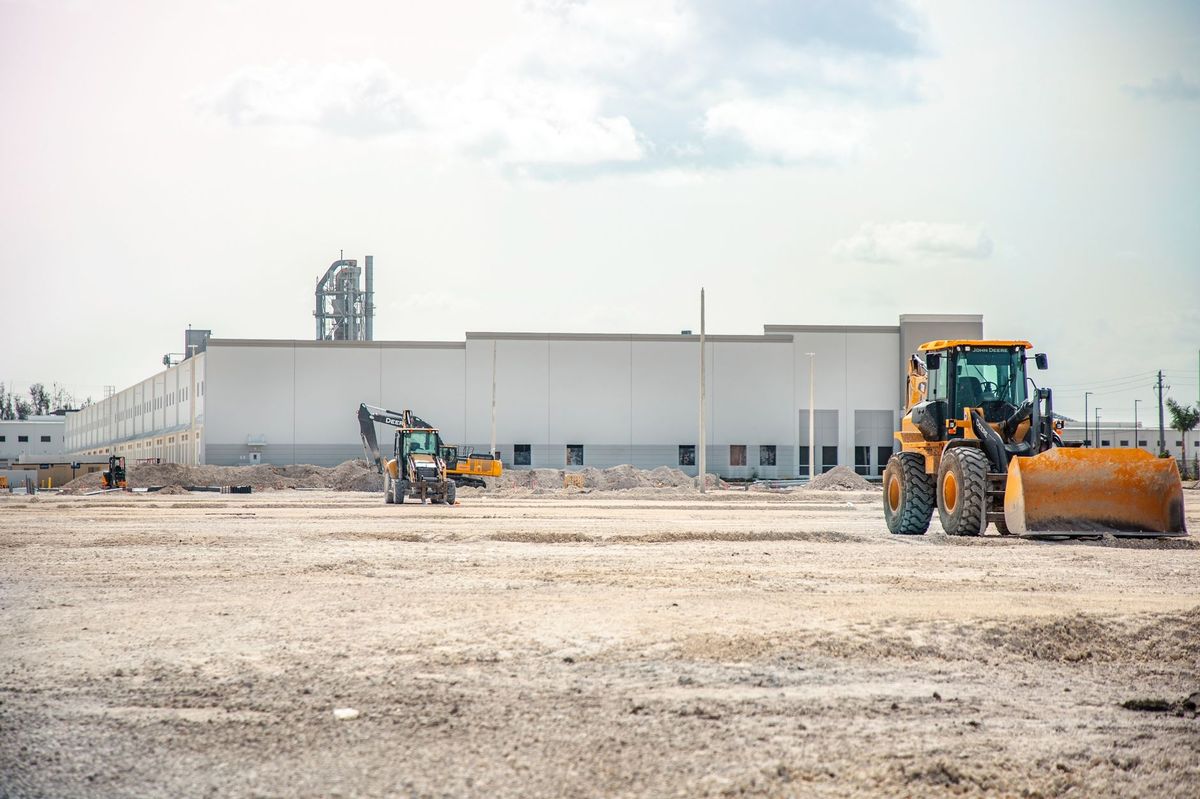
The numbers tell a different story in 2026. Warehouse construction starts declined 22% year-over-year in 2025, and the deceleration is continuing into 2026. National industrial vacancy has risen to 7.1% — the highest level since 2015 — and asking rents have stabilized or declined in most major markets. The correction that market analysts projected for two years has arrived, and the data confirms that the warehouse construction boom has transitioned from expansion to absorption.
This is not a crisis. The fundamentals of logistics real estate remain strong. But the period of unlimited demand and limitless construction is over, and the market is entering a more disciplined phase that will reward different strategies than the boom period did.
The Supply-Demand Recalibration
The warehouse construction slowdown is driven by a simple supply-demand recalibration: the construction boom delivered more space than the market can absorb at the current pace of demand growth.
Supply delivered: Approximately 1.8 billion square feet of new warehouse and distribution space was delivered in the US between 2021 and 2025 — increasing the total national industrial inventory by 12%. This is the largest five-year supply addition in the history of the US industrial market, and it occurred in a compressed timeframe driven by the confluence of pandemic-era demand and historically low interest rates that made development financing readily available.
Demand growth: Net absorption of warehouse space — the amount of new and existing space occupied by tenants — averaged 300 million to 400 million square feet annually during the boom period. However, absorption slowed to approximately 250 million square feet in 2025, reflecting several demand moderators: e-commerce growth decelerated from pandemic-era rates of 30% annually to a more sustainable 8% to 10%, retailers and logistics companies completed the inventory restocking cycle that drove much of the 2021-2023 demand, and some tenants who leased space aggressively during the low-vacancy period are now shedding surplus capacity through sublease.
The gap: With 350 million to 400 million square feet of new supply still delivering from the construction pipeline and absorption running at 250 million square feet, the market is adding approximately 100 million to 150 million square feet of vacancy per year. This gap is the direct cause of the rising vacancy rate and the 22% decline in new construction starts.
Vacancy Rate Analysis by Market
The national 7.1% vacancy rate masks significant variation by market. The markets that saw the most aggressive construction activity are experiencing the highest vacancy rates, while markets with more limited supply additions remain relatively tight.
Highest vacancy markets (above 9%): Inland Empire, CA (10.2%). Phoenix, AZ (11.8%). Dallas-Fort Worth, TX (10.4%). Indianapolis, IN (9.8%). Columbus, OH (9.5%). Atlanta, GA (9.1%). These markets were the epicenters of the construction boom, with hundreds of millions of square feet of speculative warehouse development delivered over a three-year period. The speculative construction model — building warehouses without pre-committed tenants — worked brilliantly when vacancy was below 3%, but the same speculative approach contributed to the oversupply that is now pushing vacancy above 9%.
Balanced markets (5% to 8%): Chicago, Houston, Memphis, Kansas City, Nashville, Charlotte. These markets experienced meaningful supply additions but sufficient demand growth to maintain manageable vacancy levels. Rents are flat to slightly declining, and absorption is positive, suggesting that these markets will stabilize at healthy levels within 12 to 18 months.
Tight markets (below 5%): Northern New Jersey/New York metro (3.8%). Los Angeles (4.2%). San Francisco Bay Area (4.5%). Seattle/Tacoma (4.7%). Boston (4.9%). These markets have high barriers to entry — limited land, restrictive zoning, complex permitting — that constrained supply additions during the boom. The result is continued low vacancy and stable or rising rents. These markets represent the most favorable environment for warehouse investment and selective new development.
Rent Trajectory
National average warehouse asking rents have plateaued at approximately $9.50 per square foot NNN annually, down from a peak of $10.20 in mid-2024. The 7% rent decline from peak is modest by historical standards and reflects the market's transition from severe undersupply to balanced conditions rather than distress.
However, the national average obscures more significant rent declines in oversupplied markets. Phoenix warehouse rents have declined 15% from peak. Dallas-Fort Worth rents are down 12%. Inland Empire rents are down 10%. In these markets, landlords are also offering increased tenant improvement allowances (from $2 to $5 per square foot during the tight market to $5 to $12 per square foot currently) and free rent periods (from zero to two months during the tight market to two to six months currently).
In tight markets, the story is different. Northern New Jersey warehouse rents continue to rise, reaching $16.50 per square foot NNN — the highest in the country. Los Angeles industrial rents remain above $15.00 per square foot. These markets demonstrate that location value in logistics real estate is durable and that well-located warehouse space retains its pricing power regardless of national trends.
What's Still Getting Built
Despite the 22% decline in overall starts, warehouse construction has not stopped. Approximately $28 billion in new warehouse construction was initiated in 2025, focused on specific product types and markets:
Built-to-suit projects for e-commerce and third-party logistics operators continue at healthy levels. Amazon, Walmart, FedEx, UPS, and major 3PLs continue to invest in purpose-built facilities designed for their specific operational requirements. These projects are not speculative — they are committed by creditworthy tenants on long-term leases that provide lenders with the certainty needed for construction financing in a tighter credit environment.
Last-mile delivery facilities in urban and near-urban locations remain in demand. These smaller facilities (50,000 to 200,000 square feet) positioned within 10 miles of population centers are essential infrastructure for same-day and next-day delivery operations. Land constraints and zoning challenges limit supply in these locations, maintaining favorable economics for developers who can secure suitable sites.
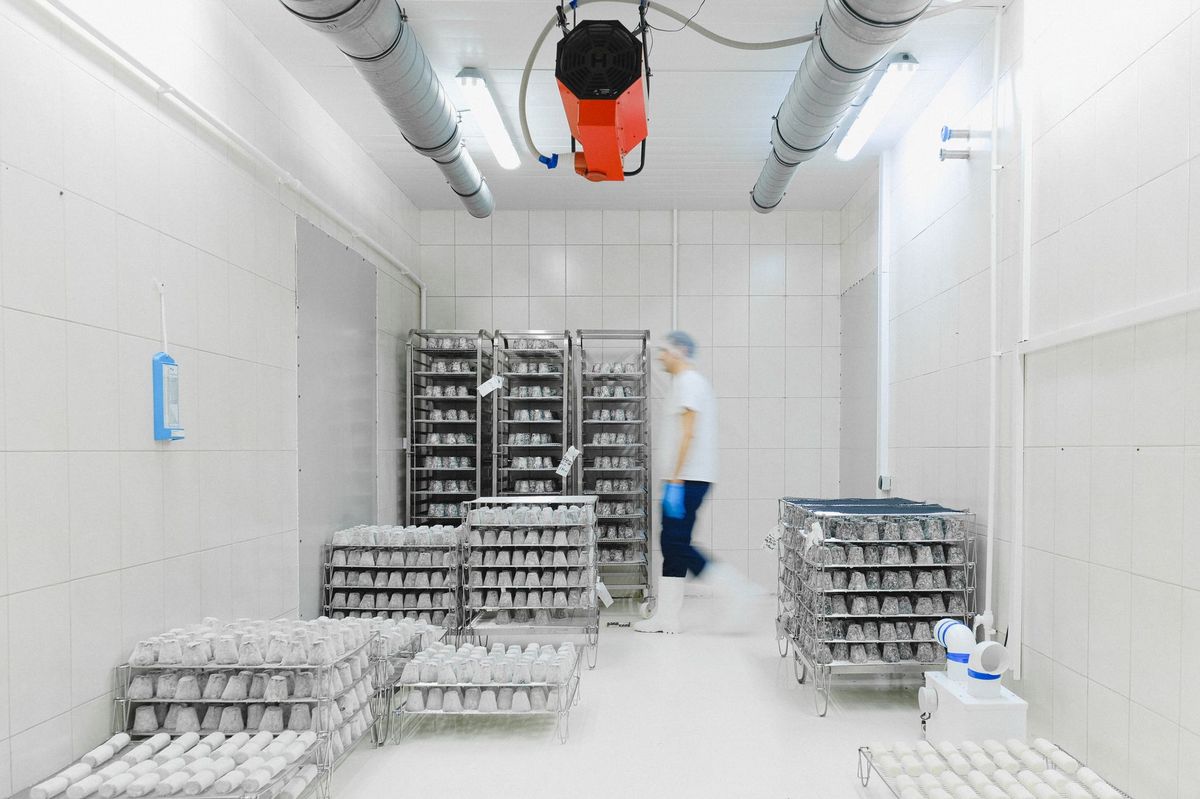
Cold storage and specialized facilities continue to be constructed at a pace that exceeds conventional warehouse growth. Temperature-controlled warehousing, pharmaceutical distribution facilities, and food-grade storage represent growing niches within the broader industrial market, with construction costs and rental rates substantially above conventional warehouse levels.
Speculative construction has been dramatically curtailed. The share of warehouse construction starts that are speculative (without pre-committed tenants) has declined from approximately 70% during the boom to roughly 35% in current market conditions. Developers and their lenders have responded rationally to rising vacancy by requiring pre-leasing or build-to-suit commitments before commencing new projects. This self-correcting mechanism is the primary reason the market is expected to stabilize within two to three years rather than experiencing a prolonged downturn.
Construction Cost Trends
Warehouse construction costs have moderated from the peak levels of 2023 but remain well above pre-boom norms:
Conventional warehouse (tilt-up concrete, 32-40 clear height): $75 to $110 per square foot, down approximately 5% from peak levels of $80 to $115. The cost decline reflects modest reductions in structural steel and concrete prices, as well as increased contractor competition as the volume of industrial projects has declined. The downward pressure on costs is partially offset by continued increases in labor rates and the trend toward taller clear heights and more sophisticated building features.
Cross-dock distribution center: $90 to $130 per square foot. Cross-dock facilities — designed with truck docks on both sides of the building for rapid transfer of goods — require larger sites and more extensive dock infrastructure, adding $15 to $25 per square foot over conventional warehouse costs.
E-commerce fulfillment center: $110 to $160 per square foot. Fulfillment centers require more extensive MEP systems — higher electrical capacity for automation equipment, enhanced lighting, HVAC for worker comfort in pick-and-pack areas, and fire protection systems designed for high-rack storage configurations. Mezzanine levels and automation infrastructure add further cost.
The cost moderation in conventional warehouse construction has improved development feasibility in balanced and tight markets, where rent levels support new development at current cost levels. In oversupplied markets, even reduced construction costs cannot overcome the rent and vacancy headwinds, which is why speculative construction has pulled back most dramatically in the markets that need it least.
The Automation Variable
The most significant structural change in warehouse construction is the integration of automation systems. Automated storage and retrieval systems (ASRS), autonomous mobile robots (AMRs), automated sortation systems, and goods-to-person picking systems are becoming standard features of new warehouse construction rather than exceptions.
The automation investment adds $30 to $80 per square foot to warehouse construction costs but reduces operating labor requirements by 40% to 70%. In a labor market where warehouse workers command $18 to $25 per hour and turnover exceeds 100% annually, the payback on automation investment is typically two to four years.
The construction implications of automation are significant. Automated warehouses require higher floor flatness tolerances (FF/FL values of 50/30 or better versus 25/20 for conventional warehouses), more precise racking installation, embedded guidance systems in the floor slab, and higher electrical capacity. These requirements increase the skill level required of the construction team and create opportunities for contractors with automation installation experience.
Outlook: The Path to Equilibrium
The warehouse construction market is on a clear path to equilibrium. The self-correcting mechanisms — reduced speculative starts, increased absorption as economic growth continues, and landlord incentives that attract tenants to available space — are already working. Most market analysts project that national industrial vacancy will peak at 8% to 9% in late 2026 or early 2027 and then gradually decline as the construction pipeline contracts and absorption catches up with supply.
The return to equilibrium does not mean a return to the boom conditions of 2021-2023. Those conditions were exceptional — driven by a combination of pandemic-era demand shifts, supply chain disruptions, and cheap capital that are unlikely to recur in that combination. The normalized warehouse construction market is more likely to see annual starts of 250 million to 350 million square feet (versus 500 million during the boom), vacancy rates of 5% to 7% (versus sub-3% during the boom), and rent growth of 2% to 4% annually (versus 10% to 15% during the boom).
For general contractors and industrial construction specialists, the slowdown means increased competition for a smaller number of projects, pressure on margins as developers leverage the buyer's market for construction services, and a shift in the project mix toward built-to-suit, specialized, and renovation work rather than speculative ground-up development.
The warehouse construction boom was extraordinary while it lasted. The correction is healthy and necessary. And the market that emerges on the other side will be more sustainable, more disciplined, and more rewarding for the contractors who navigate the transition with skill and patience. The numbers confirm what experienced market participants have always known: construction cycles are inevitable, and the builders who plan for the downturn during the upturn are the ones who survive — and thrive — on the other side.
The Sustainability Imperative in Industrial Construction
One emerging factor in warehouse construction is the increasing importance of sustainability features, driven by tenant requirements and investor expectations:
Net-zero-ready design. Major logistics tenants — Amazon, Walmart, Target, FedEx — have committed to carbon neutrality goals that require their warehouse portfolios to significantly reduce energy consumption and greenhouse gas emissions. New warehouse construction is increasingly designed to accommodate rooftop solar (structural capacity for 5 to 10 watts per square foot of roof area), electric vehicle fleet charging (400-amp or larger electrical service dedicated to truck charging), high-efficiency lighting (LED fixtures with daylight harvesting and occupancy sensors), and building management systems that optimize energy consumption across all building systems.
The construction cost premium for net-zero-ready warehouse design is approximately $5 to $10 per square foot — modest relative to the total building cost and increasingly justified by the rent premiums that sustainable warehouses command. Warehouses with comprehensive sustainability features — rooftop solar, LED lighting, EV charging, and LEED or equivalent certification — achieve lease rates 3% to 8% above comparable conventional warehouses, reflecting the value that tenants place on alignment with their sustainability commitments.
Embodied carbon reduction. Investors and tenants are beginning to focus on embodied carbon — the greenhouse gas emissions associated with the production and installation of building materials. For warehouse construction, the largest sources of embodied carbon are concrete (the floor slab and tilt-up panels) and steel (the structural frame). Strategies for reducing embodied carbon include specification of low-carbon concrete mixes (with supplementary cementitious materials replacing a portion of the Portland cement), use of recycled steel content, and optimization of structural designs to minimize material usage.
The embodied carbon conversation is still early in the warehouse sector, but it is advancing rapidly. Within two to three years, embodied carbon disclosure is likely to become a standard requirement for institutional warehouse development, and contractors who can demonstrate competence in low-carbon construction will have a competitive advantage.
The warehouse construction slowdown is a cyclical adjustment, not a structural decline. The industrial sector will continue to grow, driven by e-commerce, supply chain evolution, and the economy's insatiable appetite for goods distribution. The market that emerges from the correction will be more disciplined, more sustainable, and more demanding of the contractors who serve it.
Frequently Asked Questions
What caused warehouse construction starts to fall 22%?
The decline is a supply-demand recalibration. From 2021 through 2023, industrial construction starts exceeded 500 million square feet annually — triple the historical average — as e-commerce growth and supply chain restructuring drove demand for logistics space. Developers built ahead of demand, and by 2025 national industrial vacancy had risen to 7.1%, the highest since 2015. At that vacancy level, most markets can absorb existing supply without requiring new construction.
How long do industrial construction downturns typically last?
Industrial corrections tied to oversupply typically run 18 to 30 months from peak to trough before new development restarts. The current slowdown began in mid-2024, which suggests the market could return to more normal construction activity in late 2026 or early 2027 — assuming vacancy rates stabilize or begin declining as demand catches up with supply. Markets with strong population growth and e-commerce infrastructure investment will recover faster than oversupplied secondary markets.
What types of warehouse projects are still moving forward despite the slowdown?
Build-to-suit projects for specific tenants — particularly large e-commerce operators, third-party logistics firms, and manufacturers reshoring production — continue to get financing and break ground even during the overall slowdown. Cold storage and specialized facilities (food-grade, pharmaceutical, automotive parts) face less oversupply than generic big-box distribution space. Smaller last-mile facilities in infill locations also remain viable because suitable land is scarce regardless of market conditions.