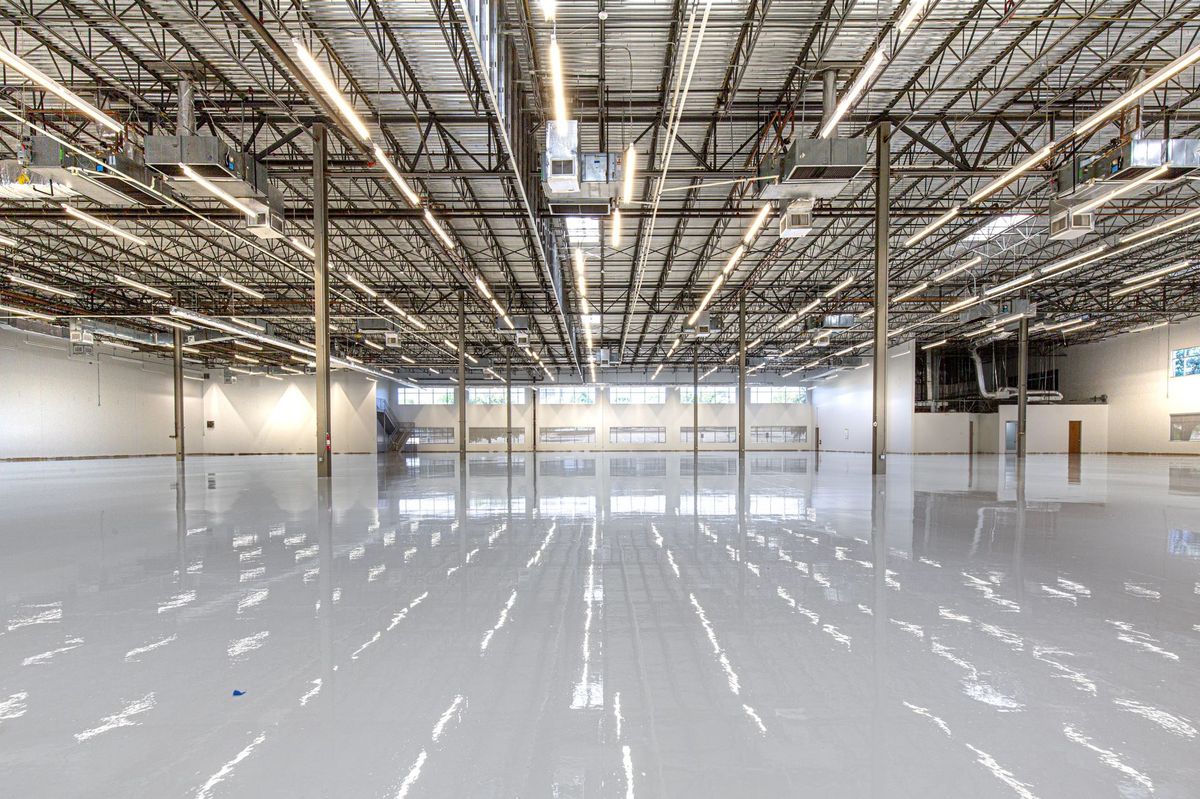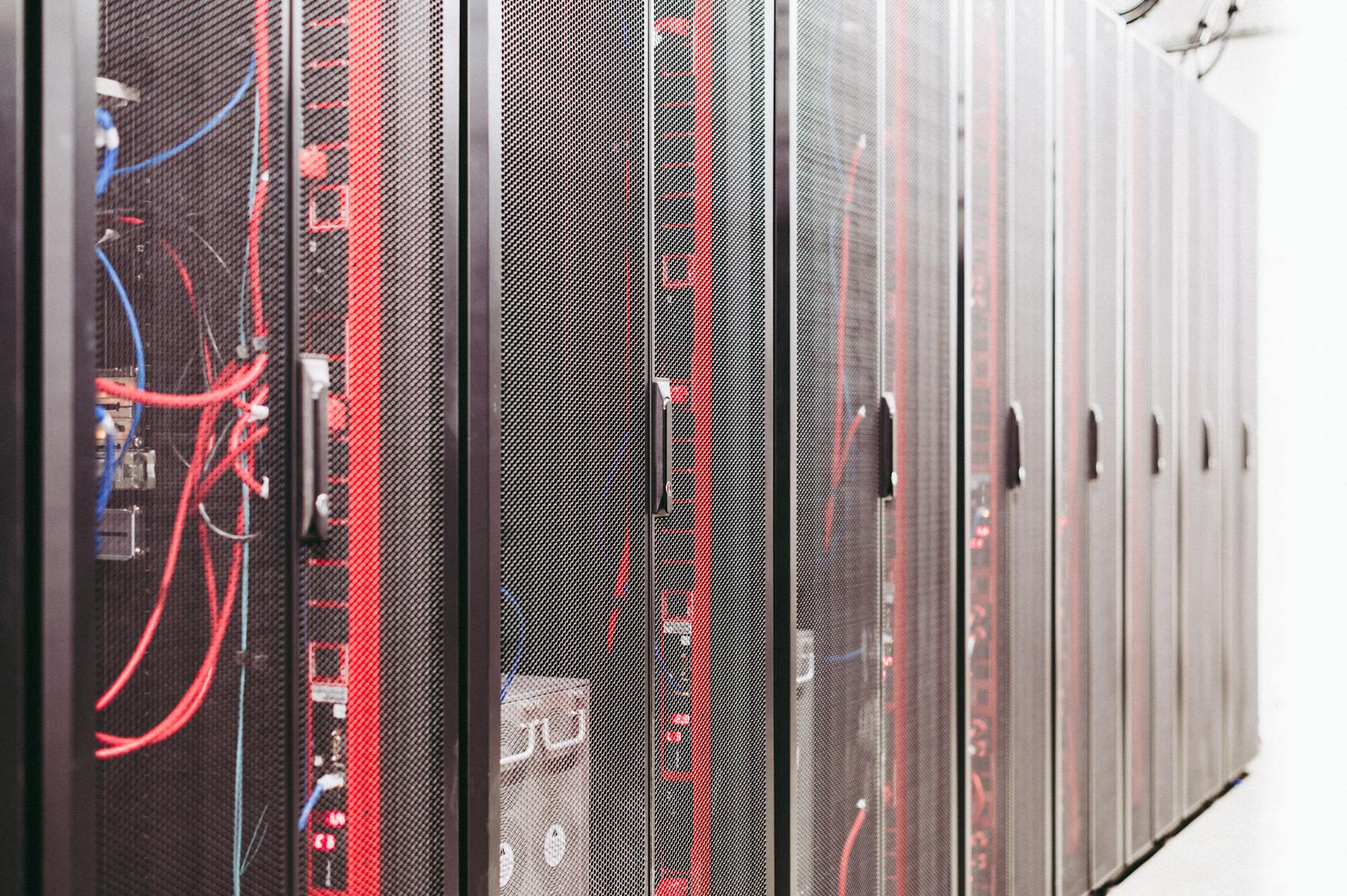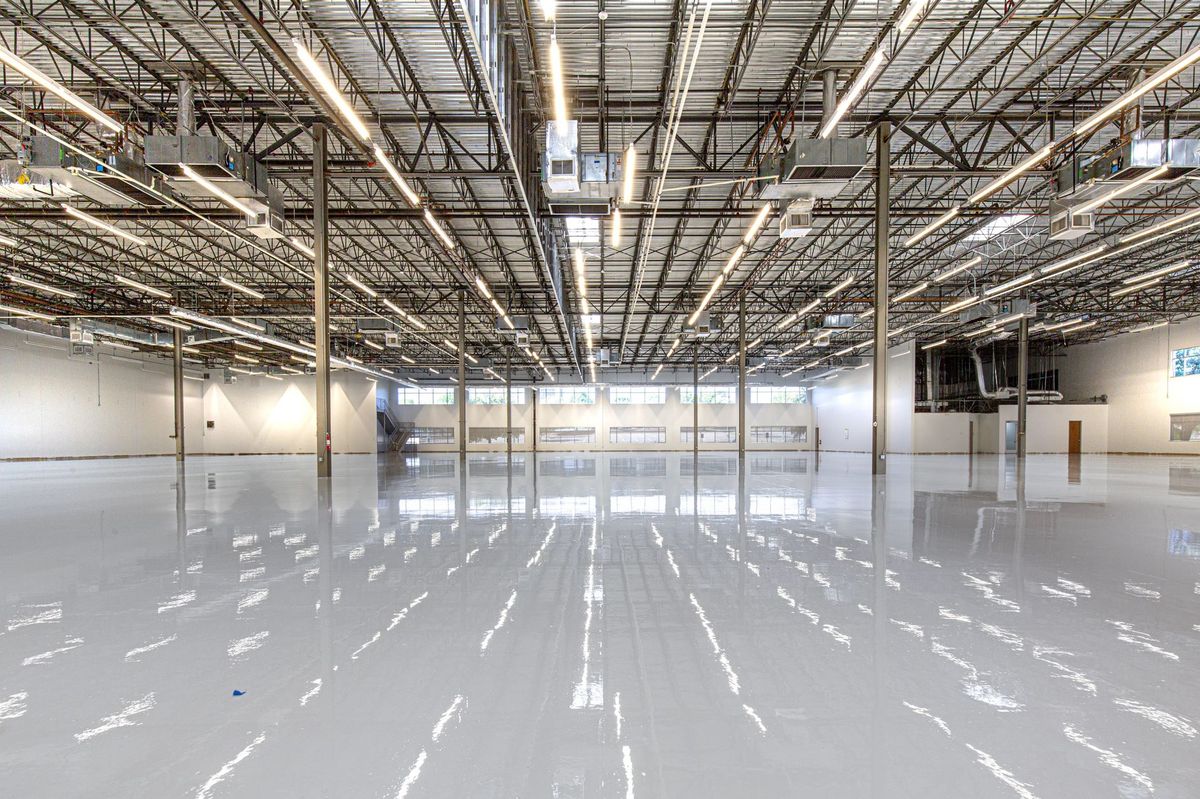
Ask how long it takes to build a data center and you will get two very different answers. The building itself is fast. Virginia's Joint Legislative Audit and Review Commission (JLARC) found in its 2024 study that a single data center building typically takes 12 to 18 months to construct. Getting power to it is slow. JLL's 2026 Global Data Center Outlook says the average wait for a grid connection in primary data center markets now exceeds four years.
So the real timeline depends on where the project is when you start counting. A building on a site with power already committed can go from mobilization to commissioning in about a year and a half. A greenfield campus that still needs a utility interconnection can take several years before the first building energizes. Here is how the phases break down, what drives each one, and where schedules slip.
Phase 1: Site, Power, and Entitlement
This phase happens before most contractors are involved, but it decides whether there is a job at all.
Power comes first
JLL names speed to power as the primary site selection criterion for data centers. In the biggest markets the queues are long. Dominion Energy reported more than 48 GW of contracted data center load as of December 2025, according to Baxtel's August 2026 summary of Dominion's earnings reports, and CBRE's H1 2026 market report says Dominion's batching process is lengthening power delivery timelines in Northern Virginia. In Texas, Governor Abbott's August 3, 2026 directive to audit ERCOT's interconnection process cited more than 474 GW of requests, about 90% of them tied to data centers.
What this means for you: before you put estimating hours into a data center bid, ask whether the owner has a signed utility agreement and an energization date. If the answer is no, the construction schedule on the bid documents is a guess.
Site and entitlement
Site work at this stage includes geotechnical investigation, environmental review, wetlands, utility and fiber routing, and zoning. Duration depends heavily on the jurisdiction. Some counties have adopted stricter rules on noise, setbacks, and water use, and a few states have paused programs. Illinois stopped accepting new applications for its Data Center Investment Program on July 1, 2026, and Data Center Frontier reports that New York imposed a one-year pause on state environmental permits for new data centers of 50 MW or more.
Large greenfield campuses can also carry huge earthwork programs. Mortenson's project page for an 880-MW Midwest campus with estimated completion in 2028 says crews moved nearly 11 million cubic yards of soil to shape the site.
Phase 2: Design, Permitting, and Long-Lead Procurement
Design and early packages
Most large data centers are delivered with design-build or other collaborative methods that let the team release site, foundation, and structural packages before the electrical and mechanical design is final. That overlap is how the field work starts while the electrical rooms are still being drawn.
Permitting
Building permit review times vary by jurisdiction. Electrical service, fire protection, generator fuel storage, and air permits for generators often run on separate tracks. Ask the AHJ early how they handle phased permits, because a foundation-only permit can let you start months before the full building permit is issued.
Long-lead equipment
This is where data center schedules are really decided. The electrical gear has to be ordered as soon as the single-line diagram is stable, often well before construction documents are complete.
| Equipment | Lead time | Source |
|---|---|---|
| Power transformers | 128 weeks average | Wood Mackenzie Q2 2025 survey, via POWER magazine (Jan 2026) |
| Generator step-up transformers | 144 weeks average | Wood Mackenzie Q2 2025 survey, via POWER magazine |
| Switchgear | 44 weeks average | Wood Mackenzie Q2 2025, via POWER magazine |
| Pad-mounted transformers | 68 to 113 weeks | Cushman & Wakefield 2026 cost guide, via CRE Daily (Aug 2026) |
| Generators | 60 to 100 weeks | Cushman & Wakefield 2026 cost guide, via CRE Daily |
| Medium-voltage switchgear | 38 to 63 weeks | Cushman & Wakefield 2026 cost guide, via CRE Daily |
Note how long these are compared with the 12 to 18 months JLARC found for building construction. A generator ordered on the day of groundbreaking could arrive near the end of the construction window, or after it. That is why owners increasingly buy gear directly, sometimes years ahead, and hand it to the contractor as owner-furnished equipment.
Price pressure tracks the lead times. The same Cushman & Wakefield guide reports switchgear costs rose 60% between December 2021 and early 2026 and that all-in greenfield costs in the U.S. and Canada now run $8.9 million to $23.3 million per MW, excluding chips and GPUs. For more on costs, see our data center construction cost guide.
Phase 3: Construction
JLARC's 12 to 18 month figure for a single building covers this phase. JLARC also found about 1,500 construction workers on site at peak for a typical data center build. Larger campuses go well beyond that: Meta estimated 5,000 construction workers at peak for its $10 billion Richland Parish, Louisiana campus, with construction running through 2030, according to Biz New Orleans's December 2024 report.
Sitework and foundations
Grading, underground utilities, ductbanks, and foundations come first. Data center slabs carry heavy equipment loads and tight flatness tolerances, and generator and transformer mats can fall under mass concrete rules. Our article on data center foundations covers the concrete side.
Structure and envelope
Steel or precast structure, roof, and exterior walls follow. Dry-in is the milestone everyone watches, because large-scale electrical and mechanical work cannot proceed until the building is weathertight.
MEP rough-in and equipment set
This is the longest and most labor-intensive stretch. Electrical crews pull feeders, install busway, and set switchgear, UPS systems, and distribution equipment. Mechanical crews install chilled water piping, air handling, and increasingly liquid cooling distribution. Power infrastructure is the single largest cost category in a greenfield build at 21%, according to Cushman & Wakefield's 2026 guide, and the electrical crew size usually sets the pace.
When long-lead gear arrives late, the trades behind it stack up. The schedule risk is less about how fast your crews work than about whether the equipment shows up when the sequence needs it. Track equipment deliveries in your look-ahead schedule the same way you track crews.
Utility energization
Permanent power has to arrive before full commissioning can happen. If the utility substation or transmission work is behind, the building can be finished and still wait. Load banks and temporary generation can let some testing proceed, but they do not replace permanent power.
Phase 4: Commissioning
Data center commissioning is usually organized in levels, starting with factory testing of equipment and ending with integrated systems testing (IST), where the commissioning team simulates utility failures with the data hall under load-bank load and confirms the facility rides through on UPS and generators. The specific levels, tests, and durations come from the owner's commissioning plan, so read it before you schedule closeout.
Plan for it in the schedule and the budget. Commissioning needs generators fueled, load banks rented and installed, controls programmed, and trade foremen available to fix what the tests find. Rushing IST to hit a date is how problems show up after the owner moves in.
Handover
After IST, the owner installs and energizes IT equipment. On multi-building campuses, the next building is usually already under construction, so the same crews often roll from one phase to the next.
What Speeds Up or Slows Down the Schedule
Things that speed it up:
- A signed utility agreement and energization date before groundbreaking
- Long-lead gear ordered as early as the design allows, often by the owner
- Design-build or similar delivery so site and structural work start before MEP design is final
- Prefabricated electrical and mechanical modules built off site in parallel with the building
Things that slow it down:
- Utility queues and substation delays
- Transformer, generator, or switchgear deliveries that slip
- Skilled electrical labor shortages in the local market
- Local permitting, zoning, or state policy changes
Preleasing is a useful signal of which projects will move. CBRE reports that more than 80% of capacity under construction in primary North American markets was preleased in H1 2026, and that build-to-suit projects in Atlanta are being preleased about two and a half years before completion. A preleased project has a tenant waiting, which usually means the owner will pay to protect the schedule.
Frequently Asked Questions
How long does it take to build a data center?
Construction of a single data center building typically takes 12 to 18 months, according to Virginia's JLARC 2024 study. The full timeline from site selection to operation is longer and depends mostly on power. JLL reports average grid connection waits in primary markets now exceed four years.
What is the critical path on a data center project?
Usually power and electrical equipment, not the building. Wood Mackenzie's Q2 2025 survey put average power transformer lead times at 128 weeks, and Cushman & Wakefield's 2026 guide lists generators at 60 to 100 weeks and medium-voltage switchgear at 38 to 63 weeks. When those items or the utility connection slip, the whole project slips.
Why are data center timelines getting longer?
Mainly because utilities cannot add capacity as fast as data center requests are arriving. Dominion has reported more than 48 GW of contracted data center load, and ERCOT is reviewing more than 474 GW of large-load requests. Long equipment lead times and tight skilled labor markets add to the delay.
How many workers does a data center job need?
JLARC found about 1,500 construction workers on site at peak for a typical data center. Very large campuses need more; Meta estimated 5,000 at peak for its Louisiana campus.
Can a data center be built faster?
The building can be compressed with design-build delivery, early equipment orders, and prefabrication. The power cannot be compressed much by the construction team. The fastest projects are the ones where the owner secured power and ordered gear before the GC mobilized.
Your Action Item for This Week
Pull the equipment procurement log on your current or upcoming data center bid and find the order and delivery dates for transformers, generators, and medium-voltage switchgear. Compare them to the lead times above and to your construction schedule. If the deliveries land after the dates your schedule needs them, raise it with the owner now, in writing, before it becomes a delay claim. Then confirm the utility energization date. If nobody can give you one, treat the completion date as unconfirmed. For who is building most of these projects, see the top 20 data center construction contractors.