More than half of the people who bought coffee away from home in the past week ordered at a drive-thru. The National Coffee Association's Fall 2026 National Coffee Data Trends report put that share at 55 percent of past-week out-of-home coffee buyers, with 40 percent ordering on an app, a record (NCA Fall 2026 report, fielded June 2026, as reported by NACS, September 2026). The same report found 48 percent of American adults had a specialty coffee drink in the past day, also a record.
That shift has changed what a "coffee shop" is as a construction project. The in-line café with seating is still common, but a growing share of new units are small drive-thru buildings on pad sites, where the paving, utilities and traffic work can matter more than the building. The coffee shop construction cost question has two very different answers depending on which one you're building.
Benchmarks: What the Published Data Shows
There is no published national square-foot figure specifically for coffee shops that we could verify. The closest public benchmarks are RSMeans' free square-foot models for quick-service and full-service restaurants. Both use 2019 national-average data:
| RSMeans model (2019 data) | Size | Union labor | Open shop |
|---|---|---|---|
| Fast food restaurant, brick veneer on wood frame | 4,000 SF, 1 story | $224.96/SF ($899,828) | $204.56/SF ($818,227) |
| Restaurant, brick veneer on wood frame | 5,000 SF, 1 story | $219.52/SF ($1,097,617) | $199.37/SF ($996,864) |
Both totals include 25 percent contractor fees. The fast-food model adds 8 percent architectural fees and the restaurant model 7 percent (RSMeans model pages, 2019 data release). They are ground-up building costs. They don't include land, site work beyond the model's assumptions, or owner equipment and furniture.
The 2019 dates matter. The BLS producer price index for new nonresidential building construction (FRED series WPU801) went from 126.6 in December 2019 to 186.243 in September 2026, an increase of about 47 percent (BLS PPI via FRED, September 2026). If you scale an old quote, use a current index rather than a rule of thumb. The escalation calculator will do the math.
A coffee shop is usually lighter than either model: less cooking equipment, often no grease hood, smaller kitchens. A drive-thru-only building is usually much smaller than 4,000 SF. So treat these as upper reference points for the building and price your own scope from there.
The Traditional Café: Where the Money Goes
An in-line café in second-generation retail space is a light food-service tenant improvement. The big drivers:
The espresso bar is a small utility plant
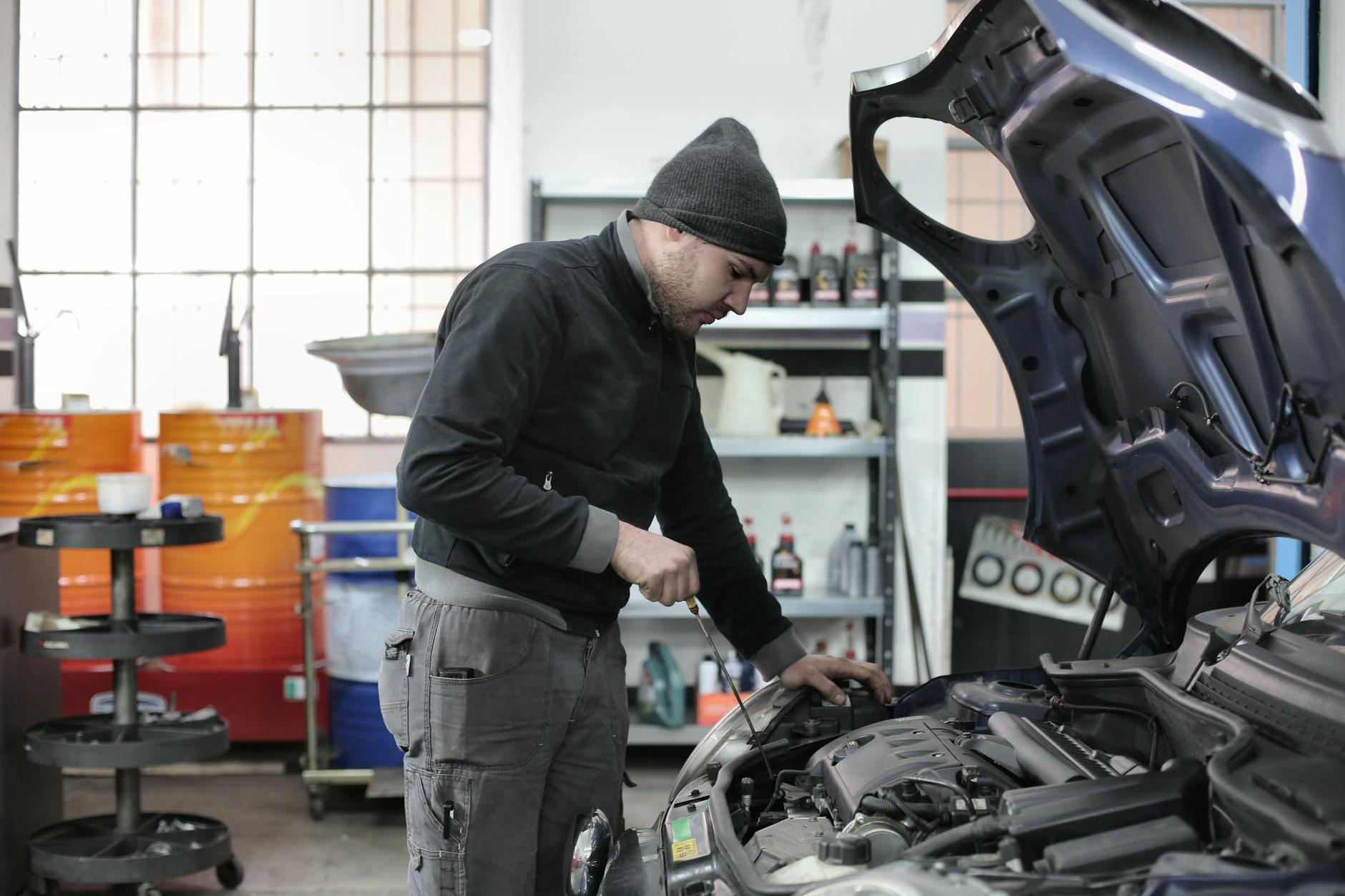
The bar is where the trades stack up. Espresso machines, grinders, brewers and undercounter refrigeration each need dedicated circuits sized to the manufacturer's cut sheet. Water treatment protects the machines. Floor sinks and indirect drains serve the equipment, and the health department will require hand sinks. Before signing a lease, compare the space's existing electrical service against the full equipment schedule. A service upgrade discovered after the lease is signed is the most common budget surprise in café work.
The hood question sets your budget tier
Beverage-and-pastry menus can often avoid a grease hood entirely. Model-code plan-review checklists based on the 2018 IMC list coffee makers, toasters, steam tables and light-duty electric convection, bread, retherm and microwave ovens as exempt from Type II hood requirements, and require a Type I hood only where appliances produce grease or smoke, such as griddles, fryers, ovens, ranges and smokers (City of Foley, Alabama kitchen hood design guidance, 2018 IMC). Your local official decides how a specific oven is classified, so ask before the menu is final.
Add a flat-top, a fryer or a real cooking line and you are into a Type I hood, grease duct, fire suppression and makeup air. Our commercial kitchen hood installation guide covers what that system involves and the code items that get flagged. A common strategy is to open as beverage-plus-pastry with the hood route roughed in, and add cooking once sales justify it.
Plumbing, restrooms and finishes
Plumbing covers water treatment, floor sinks, a three-compartment sink, a mop sink and restrooms. The required restroom count comes from the plumbing code's occupant-load tables. Restrooms also have to meet accessibility rules, including 32-inch minimum clear door openings (2010 ADA Standards, Section 404.2.3). If the space has one old restroom and your seating plan triggers more, that is real money. Finishes are where design ambition meets the budget. Set the finish allowance as a cap early.
Second-generation food space, meaning space a restaurant or café has already occupied, can save a lot if the existing grease interceptor, restrooms, hood or electrical service fits your plan. Verify each one rather than assuming. Restaurant build-outs have become a specialty partly because those reuse calls take experience.
The Drive-Thru Pad: The Dirt Is the Project
On a drive-thru-only site, the building is small and the site is everything. Many chains now use modular or prefabricated buildings that are built in a factory, trucked in and set by crane. That shortens the on-site schedule, but it doesn't touch the site work, and the site work is where these projects succeed or fail.
Sitework the brochure leaves out
- Paving and lane layout. Drive-thru lanes need enough stacking to keep the queue out of the street at peak, plus an escape lane and circulation for deliveries and trash pickup. Ask the brand or your traffic engineer for the stacking requirement; it varies by operator and jurisdiction.
- Grading and stormwater. A pad that is almost all pavement usually needs detention or treatment under local stormwater rules. Underground detention on a tight lot is a common late addition.
- Utilities to the pad. Water, sewer, power and communications runs depend entirely on where the mains are.
- Traffic and access. Drive-thru uses get traffic study requirements in many jurisdictions, and a required turn lane or median change is DOT-spec roadwork. A denied curb cut can kill a site outright.
There are no reliable national averages for these items. They depend on the specific pad. Get a civil engineer's opinion before you commit to a site. It is the same lesson car wash developers learn: in queue-based formats, you are building a traffic machine that happens to include a building.
Coffee Shop Construction Cost: Line-Item Checklist
Use this checklist to make sure each format's budget is complete. Fill in the dollars from local quotes.
| Line item | Traditional café (in-line) | Drive-thru pad |
|---|---|---|
| Building or interior buildout | TI on existing shell | Ground-up or modular building |
| Sitework, paving, drainage | Usually minimal | Often the largest line |
| Electrical service and circuits | Check existing service against equipment | New service to the pad |
| Hood and kitchen MEP | Only if menu includes cooking | Only if menu includes cooking |
| Utilities to site | Usually existing | New taps and runs |
| Permits, civil design, traffic | Building and health permits | Add civil, stormwater and traffic review |
| Equipment and furniture | Owner package | Often bundled with modular building |
Labor and Operating Context
Labor costs feed straight into how much building an operator can afford. BLS average hourly earnings for all employees in food services and drinking places rose from $17.43 in August 2021 to $22.17 in August 2026 (preliminary), an increase of about 27 percent (BLS Current Employment Statistics, series CES7072200003, August 2026). Formats that need fewer people per shift look better as wages rise. That is part of the pull toward drive-thru-only units, and it should be part of any owner's pro forma.
For owners
The usual trap with independent cafés is overbuilding relative to sales. Before signing anything, run both formats through the free construction cost estimator. Then put projected daily transactions against rent and debt service in the break-even calculator. If the plan only works at full projected volume, change the site or the budget.
For contractors
Drive-thru pad work is civil-heavy: foundations, utilities, paving, and on modular jobs, the crane day and final connections. Many tenant-improvement contractors don't chase it, which leaves room for GCs with site work capacity. Modular building suppliers often keep lists of GCs who have done clean sets in their region. Ask what they require.
Frequently Asked Questions
How much does it cost to build a coffee shop in 2026?
There is no published coffee-shop-specific national benchmark that we could verify. The closest public data is RSMeans' 2019 fast-food restaurant model: a 4,000 SF building at $204.56 per square foot open shop or $224.96 union, including contractor and architectural fees. The BLS nonresidential construction price index has risen about 47 percent since December 2019 (FRED WPU801, September 2026). Most cafés are lighter builds than that model, and drive-thru buildings are smaller. Site work, land and equipment are extra and vary by location.
Why are drive-thru coffee shops so popular?
Customers are using them. The NCA's Fall 2026 report found 55 percent of past-week out-of-home coffee buyers ordered at a drive-thru and 40 percent ordered on an app. Rising labor costs also favor formats that need fewer staff: food service average hourly earnings rose about 27 percent between August 2021 and August 2026 (BLS).
What's the most underestimated cost on a drive-thru coffee project?
Sitework. Stacking lanes, paving, stormwater detention, utility runs to the pad, and traffic or access improvements often cost more than the building, and they depend entirely on the specific site. Get a civil engineer's opinion before you commit.
Do I need a commercial hood in a coffee shop?
Often not, for a beverage-and-pastry menu. Plan-review checklists based on the 2018 IMC exempt coffee makers, toasters, steam tables and light-duty electric convection, bread, retherm and microwave ovens from Type II hood requirements. A Type I hood is required where appliances produce grease or smoke, such as griddles, fryers and ranges. Confirm how your specific equipment is classified with the local official.
How much electrical service does a coffee shop need?
It depends on the equipment schedule. Espresso machines, grinders, brewers, water heating, refrigeration and HVAC all add load, and each manufacturer's cut sheet lists the circuit requirement. Have an electrician compare the space's existing service against the full schedule before you sign the lease.
Is a franchise or independent coffee shop cheaper to build?
Construction pricing for comparable scope is similar either way. Franchises add fees, required design standards and royalties set in the franchise disclosure document. In exchange you get prototype plans and established equipment packages. Read the brand's Franchise Disclosure Document for the actual figures. It is the only reliable source for them.