The Math on Conversions Has Finally Tipped
For years, adaptive reuse was an architectural talking point — interesting in theory, challenging in practice, and rarely competitive on pure economics. The numbers tell a different story in 2026. Adaptive reuse projects — converting obsolete commercial buildings into residential, hospitality, or alternative commercial uses — now deliver an average 40% cost savings compared to equivalent new construction, according to analysis of 340 completed conversion projects across 45 US metros.
That 40% savings has created a tipping point. Adaptive reuse project starts increased 52% year-over-year in 2025, making conversions one of the most dynamic segments of the commercial construction market. The convergence of vacant office buildings (370 million square feet of negative absorption since 2020), supportive government incentives (federal historic tax credits, state conversion tax credits in 18 states, and local programs in dozens of cities), and the persistent gap between housing demand and supply has created conditions that favor conversion over new construction in an expanding range of markets and building types.
Let us examine the numbers behind this shift and what they mean for developers and contractors.
The 40% Savings: Where It Comes From
The cost advantage of adaptive reuse versus new construction is not uniform — it varies significantly by building type, conversion type, and market. But the consistent finding across the data is that reuse projects save substantially on structural and envelope costs while spending comparably or more on interior systems and finishes.
Here is the component-level breakdown for a typical office-to-residential conversion versus comparable new residential construction:
Structure: Savings of 70% to 85%. The existing structural system — foundations, columns, beams, floor slabs, and core — represents the single largest cost savings in adaptive reuse. In new construction, the structural system accounts for 20% to 25% of total project cost. In a conversion, the existing structure is used largely as-is, with costs limited to structural assessment, selective demolition, and reinforcement of specific elements. For a 200,000-square-foot conversion, the structural savings are typically $8 million to $15 million compared to new construction.
Building envelope: Savings of 40% to 60%. The existing exterior walls and roof structure are retained and modified rather than built new. Costs include window replacement (usually required for residential energy code compliance and operability requirements), facade repairs, roofing replacement or repair, and addition of insulation to meet current energy codes. The savings are substantial but variable — a building with a sound curtain wall in good condition will require less envelope work than one with a deteriorated masonry facade.
Mechanical, electrical, and plumbing (MEP): Savings of 0% to 15%. MEP systems are almost always replaced entirely in a conversion project. Office HVAC systems, electrical distribution, and plumbing are not compatible with residential requirements. The MEP scope in a conversion is comparable to new construction, with some savings from reusing vertical chases and some additional cost from working within the constraints of the existing structure. Net MEP costs are typically flat to slightly favorable versus new construction.
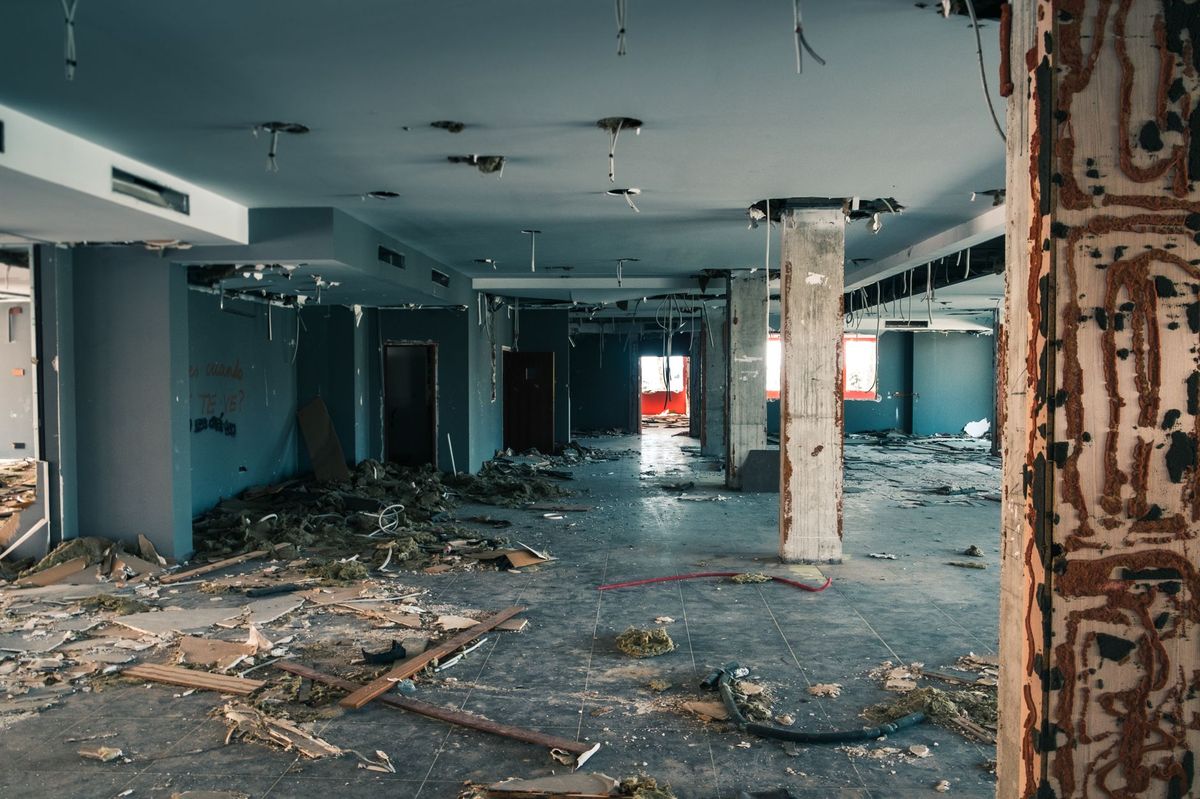
Interior construction: Additional cost of 10% to 30%. Working within an existing structure imposes constraints that increase interior construction costs. Floor-to-floor heights may not match residential norms. Column spacing may create awkward unit layouts. Existing floor plates may be too deep for residential use, creating dark interior spaces. These constraints require creative design solutions and adaptive construction techniques that increase costs relative to purpose-built residential construction.
Soft costs: Additional cost of 15% to 30%. Conversion projects typically have higher soft costs due to the complexity of working with existing conditions, the need for detailed existing-conditions surveys, and the often more complex permitting process. Design fees are higher because the architect must work within the constraints of the existing building rather than designing freely. Engineering fees are higher because the structural assessment and selective modification approach requires more analysis than designing a new structure.
Total project cost comparison: A comprehensive office-to-residential conversion typically costs $180 to $280 per square foot, compared to $300 to $450 per square foot for equivalent new residential construction in the same market. The 40% average savings reflects the dominant effect of structural and envelope cost avoidance, partially offset by the higher interior construction and soft costs.
The Building Types That Convert
Not every obsolete building is a good conversion candidate. The data clearly identifies which building types convert successfully and which present insurmountable challenges:
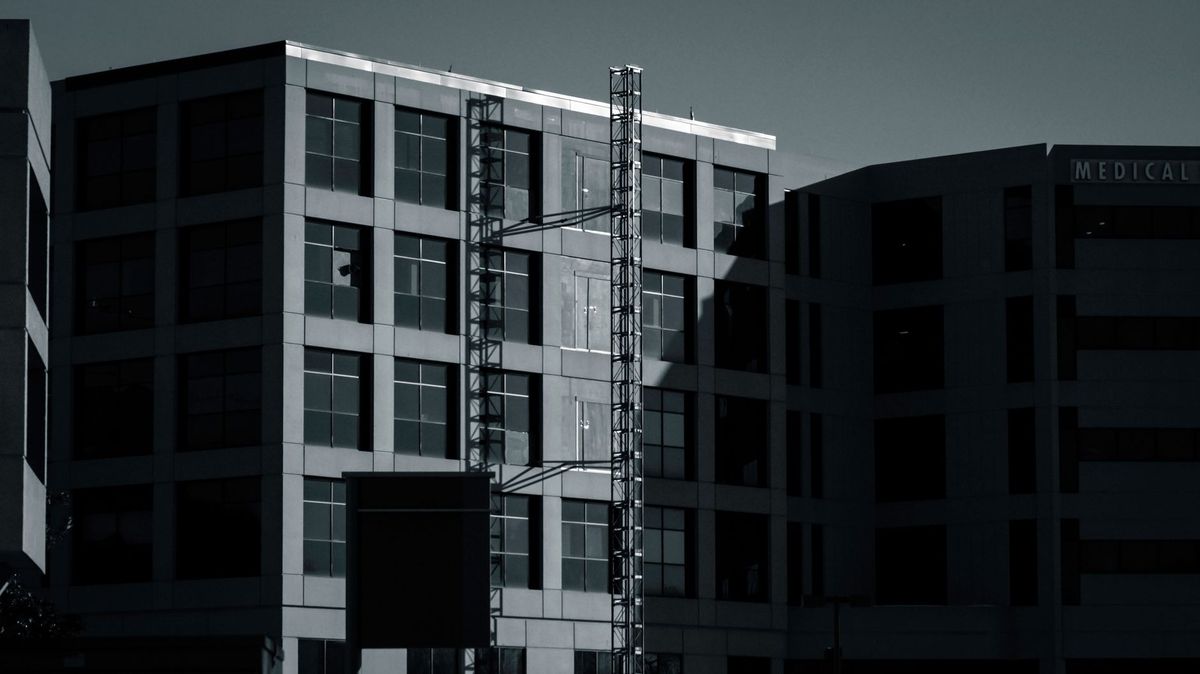
Office buildings (1960s to 1990s vintage) are the most active conversion segment, driven by the massive inventory of functionally obsolete office space. These buildings typically have the structural characteristics — concrete or steel frames, floor-to-floor heights of 12 to 14 feet, and regular column grids — that accommodate residential conversion. However, deep floor plates (over 80 feet from core to exterior wall) create units with inadequate natural light and ventilation. The ideal conversion candidate has a floor plate depth of 60 feet or less, which allows for double-loaded corridor layouts with units that have windows on the exterior wall.
Hotels convert to residential with relatively low complexity because the building systems (plumbing risers, ventilation, electrical distribution) are already configured for individual occupancy units. Hotel conversions typically cost 25% to 35% less than new construction and can be executed on compressed timelines because the fundamental building layout is already unit-based.
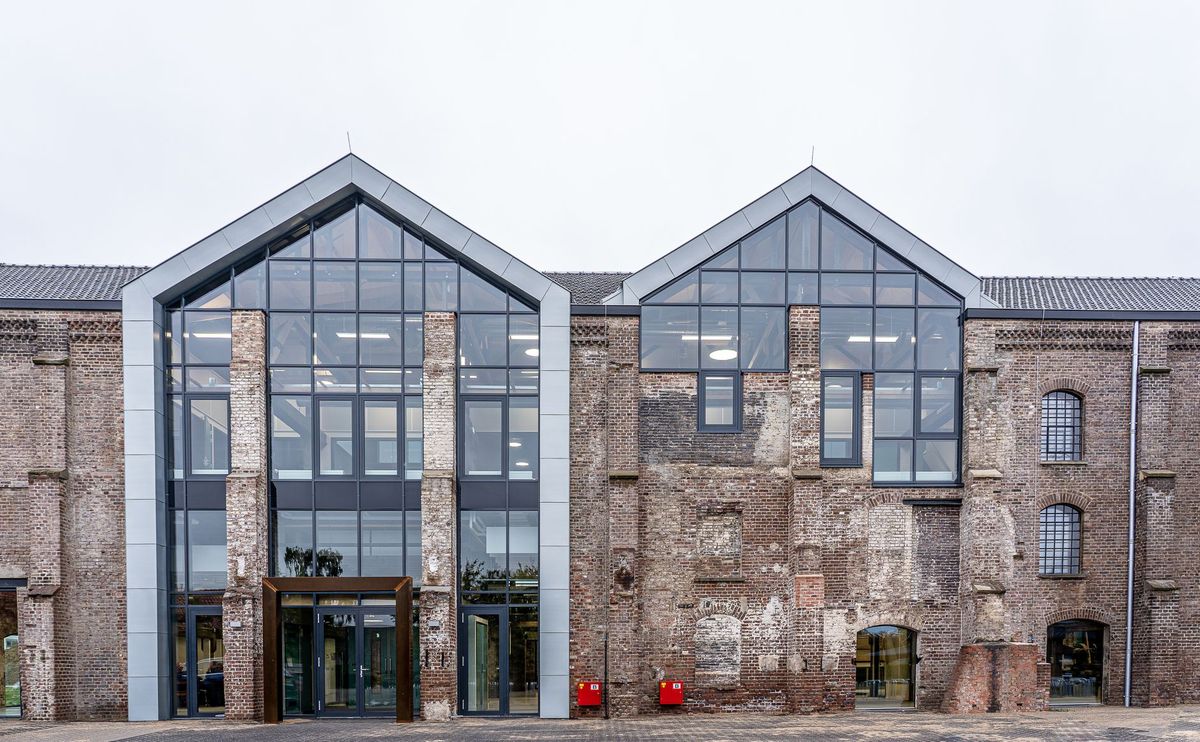
Industrial and warehouse buildings convert to both residential (loft-style apartments and condos) and commercial (creative office, retail, entertainment) uses. These buildings offer advantages of high ceilings, large floor areas, and distinctive architectural character. Conversion costs vary widely depending on the structural condition and the amount of environmental remediation required — industrial buildings frequently require asbestos abatement, lead paint removal, and soil remediation that add $15 to $40 per square foot to project costs.
Retail buildings — particularly department stores and big-box retail — are increasingly converting to mixed-use developments incorporating residential, office, and retail components. The large, column-free floor plates provide design flexibility, and the parking infrastructure supports the residential density that makes the economics work.
Religious buildings, schools, and institutional structures convert to residential in smaller projects, often in historic preservation contexts. These projects frequently qualify for historic tax credits, which provide 20% federal tax credits (and state credits of 10% to 25% in many states) that significantly improve project economics.
The Tax Credit Advantage
Government incentives play a critical role in making adaptive reuse projects financially viable. The most significant programs include:
Federal Historic Tax Credit (HTC): A 20% credit on qualified rehabilitation expenditures for income-producing properties listed on or eligible for the National Register of Historic Places. For a $30 million conversion project with $25 million in qualifying expenditures, the HTC provides $5 million in tax credits — a direct reduction in the project's effective cost. The HTC has been the single most important financial incentive for adaptive reuse since its establishment in 1976.
State conversion tax credits: Eighteen states now offer specific tax credits or incentives for building conversions, with credit rates ranging from 10% to 30% of qualified expenditures. These state credits are often stackable with the federal HTC, creating combined incentives that can reduce effective project costs by 30% to 50%.
Local programs: Many cities offer additional incentives including property tax abatements (typically 10 to 15 years of reduced property taxes), expedited permitting, reduced parking requirements for conversion projects, and direct financial assistance through Community Development Block Grants or similar programs.
The combined effect of federal, state, and local incentives can be transformative. A conversion project that costs $250 per square foot before incentives might have an effective cost of $150 to $175 per square foot after tax credits and abatements — making it competitive with even the most cost-effective new construction alternatives.
Challenges and Risk Factors
The 40% cost savings headline comes with important caveats that developers and contractors must understand:
Unknown conditions risk. Every adaptive reuse project carries the risk of discovering conditions during construction that were not apparent during due diligence. Concealed structural deterioration, hidden environmental contamination, outdated building systems that conflict with the new use, and code compliance issues that emerge during detailed design all add cost and time. A contingency of 15% to 20% of hard costs is recommended for conversion projects, compared to 5% to 10% for new construction.
Code compliance complexity. Converting a building from one use to another triggers the change-of-use provisions of the International Existing Building Code (IEBC), which may require compliance with current code standards for fire protection, accessibility, structural loading, and energy performance. The IEBC provides some flexibility through its work area method and performance compliance method, but navigating these provisions requires specialized expertise.
Floor plate challenges. As noted above, deep floor plates are the single most common dealbreaker for office-to-residential conversions. Buildings with floor plates deeper than 80 feet require light wells, interior courtyards, or creative unit configurations that reduce usable area and increase construction complexity. The yield loss from deep floor plates — the reduction in sellable or rentable area compared to the gross building area — can erode the cost advantage of reuse.
Parking deficiency. Many existing commercial buildings, particularly urban office towers, have inadequate parking for residential use under current zoning requirements. While many jurisdictions have relaxed parking requirements for conversion projects, those that haven't create a significant obstacle. The cost of adding structured parking — $25,000 to $50,000 per space — can eliminate the conversion cost advantage entirely.
Market Outlook
The adaptive reuse market is supported by structural tailwinds that will persist through the end of the decade. The office vacancy rate nationally exceeds 18%, representing over 370 million square feet of functionally surplus space. Housing demand continues to outstrip supply in virtually every major metro. And government incentive programs continue to expand as policymakers recognize conversion as a tool for addressing both commercial vacancy and housing shortage simultaneously.
Industry projections suggest adaptive reuse construction spending will grow 15% to 20% annually through 2028, driven by the expanding pipeline of conversion-suitable buildings and the improving economics of the conversion model. The 40% cost advantage over new construction is likely to persist or widen as new construction costs continue to escalate while conversion costs benefit from an expanding pool of experienced contractors and more efficient design and construction methods.
For general contractors, adaptive reuse represents a growing and increasingly important market segment. The projects require different skills than new construction — existing conditions assessment, selective demolition, structural reinforcement, and the ability to work within the constraints of an existing building envelope — but the demand is strong, the margins are competitive, and the pipeline is growing.
The numbers have spoken. The conversion era is here.
The Contractor Skill Set for Adaptive Reuse
Adaptive reuse construction requires a skill set that differs meaningfully from new construction, and contractors who excel in conversions have developed specific capabilities:
Existing conditions assessment. Before demolition begins, the construction team must thoroughly understand the existing building — its structural system, its MEP infrastructure, its envelope condition, and any hidden conditions that could affect the conversion scope. This assessment typically involves structural probes (selective demolition to expose concealed conditions), MEP surveys (documenting existing systems that may be reused or that will constrain new system routing), environmental testing (asbestos, lead, PCBs, and other hazardous materials), and building envelope assessment (water infiltration testing, thermal imaging, and condition evaluation of windows, roofing, and exterior walls).
The cost of thorough existing conditions assessment — $50,000 to $200,000 depending on building size and complexity — is an investment that pays for itself many times over by reducing the "unknown conditions" contingency that otherwise must be carried in the project budget. A building that has been thoroughly assessed before design begins produces fewer surprises during construction, leading to tighter budgets and more reliable schedules.
Selective demolition expertise. Adaptive reuse projects require demolition that is surgical rather than wholesale — removing specific building elements while preserving others. Selective demolition requires workers who understand structural systems and can distinguish between elements that can be removed safely and those that provide structural support. The cost of selective demolition errors — inadvertent removal of a structural element, damage to a system that was intended for reuse, or disturbance of hazardous materials — can be catastrophic and is the reason that experienced adaptive reuse contractors invest heavily in worker training and supervision during the demolition phase.
Integration of old and new. The most technically challenging aspect of adaptive reuse construction is the integration of new building systems with the existing structure. New MEP systems must be routed through spaces that were not designed for them. New fire protection systems must be installed within the constraints of existing floor-to-floor heights. New building envelope elements must interface with existing structural connections. Each of these integration points requires creative problem-solving and field experience that cannot be learned from drawings alone.
The 40% cost savings that adaptive reuse delivers versus new construction is real and well-documented. But achieving that savings requires contractors with the specific skills, experience, and judgment that adaptive reuse demands. The numbers favor conversion — but only for the teams that know how to execute it.
Before you commit to a budget, run your own numbers with our free construction cost estimator and check quantities with the markup margin calculator.
Frequently Asked Questions
How much does adaptive reuse construction cost compared to new construction?
Adaptive reuse projects now deliver an average 40% cost savings compared to equivalent new construction, based on analysis of 340 completed conversion projects across 45 US metros. The savings come primarily from reusing the existing structural frame and building envelope — costs that in new construction represent 35% to 45% of total project spend. Interior systems and finishes, however, often cost as much or more in conversions as in new builds.
Which building types are best suited for adaptive reuse conversion?
Office buildings built before 1985 with narrow floor plates (under 80 feet deep) are the most conversion-friendly because the structural grid and existing window pattern support residential subdivision. Department stores and warehouses work well for residential or mixed-use because of their large open floor plates and generous ceiling heights. Industrial buildings convert well to loft residential, creative office, and food hall uses. The least conversion-friendly buildings are post-1990 deep-plate office towers with floor-to-floor heights under 10 feet and limited window access on interior units.
What tax incentives support adaptive reuse projects?
The federal Historic Tax Credit (HTC) provides a 20% credit on qualified rehabilitation expenditures for certified historic structures, which can offset millions in project costs on eligible buildings. As of 2025, 18 states offer their own state-level historic or conversion tax credits that stack with the federal benefit. Many cities — including New York, Chicago, and Los Angeles — have adopted local programs that provide additional density bonuses, permit fee waivers, or direct subsidy for qualified conversion projects. These incentives have been a key driver of the 52% year-over-year increase in adaptive reuse project starts.