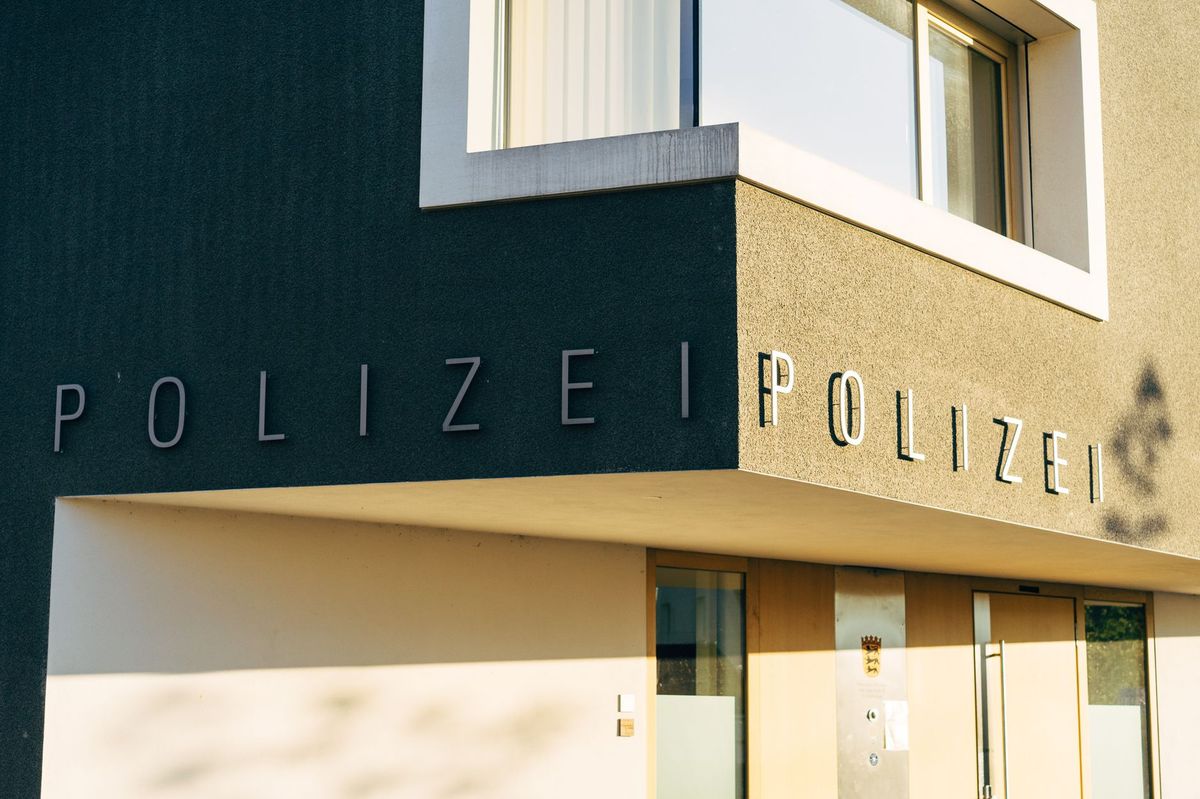
A municipal police station runs $580 per square foot nationally in 2026, making it one of the most expensive building types by cost-per-square-foot. That compares to $200/SF for a typical office building and $400/SF for a courthouse. A 25,000 SF police station costs roughly $14.5 million in construction alone — before soft costs, land, or equipment. I worked on a 20,000 SF police station in 2023 and watched the cost climb from initial estimate of $8.2 million to final of $10.8 million because the security and detention requirements are non-negotiable and expensive.
Here's why police stations cost so much more than comparable office buildings.
Why Police Stations Cost More Than Generic Office Buildings
Police stations are hybrid facilities — administrative office space, secure detention, evidence storage, vehicle maintenance, communications hub, and 24/7 occupancy. Each of these functions adds cost.
Secure holding and detention cells. A police station must have secure holding cells for detainees awaiting arraignment. Building code requirements for detention typically mean reinforced concrete or steel cell construction, security glass or barred partitions, electronic locking systems, and surveillance capability in each cell. A typical police station has 4 to 12 holding cells depending on jurisdiction size.
Each holding cell costs $15,000 to $35,000 built (that's just the cell enclosure, not the finishes or systems). Multiply that across 8 cells and you're looking at $120,000 to $280,000 for holding cells alone — a line item that doesn't exist in office building construction.
Ballistic and blast resistance. High-threat areas (dispatch center, evidence storage, administrative areas handling sensitive information) require ballistic-rated partitions or blast-resistant design. Ballistic-rated glass (often 1.5 to 2 inches thick laminated glass) costs $50 to $100 per square foot for the material alone. A 200 SF dispatch center with ballistic glass walls is $10,000 to $20,000 in glazing material cost alone, plus installation and structural support.
Blast-resistant design (reinforced walls, limited windows, roof loading for pressure resistance) adds 8 to 15% to structural cost for affected areas. Most police departments don't full-spec blast-resistant design for the entire building, but the high-security areas (dispatch, evidence) typically require it.
Evidence storage and chain-of-custody control. Police stations require sophisticated evidence storage with multiple secure rooms segregated by evidence type (drugs, firearms, biological evidence, documentation). Evidence rooms require controlled access (card readers, surveillance), climate control (maintaining 65 to 75 degrees and 35 to 55% humidity to preserve evidence), humidity monitoring systems, and secure shelving rated for heavy storage loads.
A typical evidence storage area for a mid-size police department is 3,000 to 5,000 square feet. Building this to secure, climate-controlled standards costs $50 to $80/SF for the specialized infrastructure — roughly $150,000 to $400,000 total.
24/7 Occupancy and Redundancy. Police stations operate 24/7/365. That means the mechanical, electrical, and plumbing systems must be heavy-duty and redundant. Backup power (often a diesel generator) is standard. Backup cooling and heating systems are common because a dispatch center can't shut down for HVAC maintenance. Redundant data/communications systems are required. The cost of this infrastructure duplication is 15 to 25% higher than a standard office building occupancy model.
Vehicle maintenance bays and secure parking. Police stations include vehicle maintenance bays (2 to 4 bays typical) where patrol vehicles are serviced and stored. These bays require epoxy flooring rated for fuel/oil spills, compressed air systems, elevated hoists, and ventilation systems. A maintenance bay costs $20,000 to $40,000 per bay. Secure vehicle parking for patrol cars, evidence transport vehicles, and administrative vehicles requires covered or gated parking — another $2,000 to $5,000 per space depending on whether you're doing a simple carport or a secure enclosure.
Dispatch Center and Emergency Operations. The dispatch center (911 call center) is the nerve center of the police department. It requires a dedicated space with redundant workstations, sophisticated IT infrastructure, backup power, redundant communications systems, specialized lighting and ergonomics, and isolation from other building occupancy so phone volume and urgency don't distract other departments. This infrastructure mirrors what's found in emergency operations centers for disaster response, requiring similar redundancy and control systems.
A dispatch center for a mid-size city is typically 800 to 1,500 SF with 6 to 12 call-taker positions. Building this to specialized standards costs $80 to $150/SF — roughly $65,000 to $225,000 total.
Fingerprint and booking processing. The booking area (where suspects are processed, fingerprinted, photographed) is a specialized space with secure holding for the arrestee, workstations for officers, equipment for fingerprinting and photography, and secure storage for booking documents. The booking area must be physically separated from the public waiting area and secure from escapees. A typical booking area is 1,200 to 2,000 SF and costs $60 to $100/SF to build to secure standards.
Cost Breakdown: A Typical 25,000 SF Police Station
A representative mid-size police station (25,000 SF, serving a city of 50,000 to 100,000 population) breaks down approximately as follows:
Site work and parking: $1.2M to $1.8M (site preparation, 40 to 60 parking spaces, utilities, landscaping, drive approach for secure parking). That's $48 to $72/SF allocated to site work.
Foundation and structural: $2.5M to $3.5M (slab-on-grade, reinforced foundation for building loads, structural steel or concrete, specialized framing for detention areas). That's $100 to $140/SF.
Building envelope: $1.8M to $2.5M (metal stud/concrete block walls, roofing, windows — fewer windows than office because of security requirements, security doors, vehicle bay doors). That's $72 to $100/SF.
Interior framing and security: $1.5M to $2.2M (framing detention cells, creating secure interview rooms and holding areas, installing ballistic glazing, security doors, control access systems). That's $60 to $88/SF.
Mechanical (HVAC): $1.8M to $2.5M (redundant cooling/heating, dispatch center isolation, evidence storage climate control, vehicle maintenance bay ventilation, backup systems). That's $72 to $100/SF.
Plumbing: $900K to $1.3M (domestic water, sanitary sewer, fingerprint and booking processing plumbing). That's $36 to $52/SF.
Electrical and power: $1.5M to $2.2M (redundant power, backup generator, UPS systems for IT, surveillance system, access control, lighting for 24/7 occupancy). That's $60 to $88/SF.
Detention equipment and security systems: $800K to $1.2M (cell locking systems, surveillance cameras and monitoring, access control systems, intercoms, data network). That's $32 to $48/SF.
Evidence storage and forensics: $600K to $1M (climate-controlled shelving, secure doors, surveillance). That's $24 to $40/SF.
Specialties: $500K to $800K (fingerprint processing equipment, holding cell furnishings, dispatch workstations, fitness area, locker rooms). That's $20 to $32/SF.
General conditions and overhead: $3.5M to $5.2M (15 to 20% of hard costs) — extended due to security protocols requiring management oversight.
Total hard construction cost: $16.4M to $23.8M (roughly $656 to $952/SF for the building)
Soft costs (design, permitting, testing, FF&E, systems integration): $2.5M to $3.5M
Total project cost: $18.9M to $27.3M
For a 25,000 SF station, that's $756 to $1,092/SF all-in. The $580/SF benchmark cited at the top refers to hard construction cost only, not including soft costs or long-lead equipment.
Regional Cost Variation
Police station construction costs vary by region more than generic buildings because labor markets and code requirements for detention/secure spaces vary.
West Coast (CA, OR, WA): $650 to $850/SF. Seismic design for detention areas, high labor costs, California fire code requirements for secure buildings. San Francisco Bay Area police station construction routinely exceeds $800/SF. These costs track with courthouse construction and renovation at $68 billion federal for similar structural and security requirements.
Northeast (NY, MA, NJ, CT): $600 to $800/SF. Union labor, complex mechanical requirements for older climate zones, expensive detention code compliance.
Southeast (TX, FL, GA, NC, SC): $480 to $620/SF. Lower labor costs, competitive subcontractor markets, simpler climate control requirements. Texas and Florida police stations are among the most cost-competitive nationally.
Midwest (IL, OH, MI, IN, MN): $520 to $680/SF. Union presence in larger cities drives costs higher; smaller jurisdictions see lower costs. Minnesota requires higher heating capacity due to climate.
Mountain West (CO, UT, AZ): $550 to $750/SF. Varies by elevation and climate requirements. Denver police station work has tightened labor markets in recent years.
Detention and Security Code Requirements
Police station detention areas are highly regulated. NFPA 1, International Fire Code, ADA requirements, and state detention regulations all apply.
Cell design standards: Cells must provide minimum 70 square feet per occupant, 8-foot ceiling minimum, reinforced construction to resist occupant damage, secure fixtures (toilet/sink), secure observation capability, and fire suppression in each cell. The specification is stringent — this isn't a standard room.
Egress and emergency procedures: Detention areas must have supervised egress routes separate from public areas. Emergency procedures must be documented and tested. The code path to exit from detention requires passing through a secure officer-staffed area.
Surveillance and monitoring: Every detention cell requires surveillance capability. Most jurisdictions require active video monitoring with recording capability. The video infrastructure (cameras, monitors, recording systems, backup storage) is a substantial IT systems cost.
ADA accessibility: Booking and detention areas must remain compliant with ADA. That means accessible booking workstations, accessible detention cells for occupants with mobility limitations, and accessible interview rooms. Retrofitting ADA accessibility into secure spaces is expensive because it conflicts with security requirements (standard cells aren't wheelchair-accessible; making one that is requires specialized design).
Funding and Financing Police Station Construction
Police station construction is funded through various sources:
General obligation bonds: Municipal bonds backed by the city's taxing authority. Interest rates (June 2026) run 3.5 to 5.5% depending on municipal credit rating. A $15 million bond at 4.5% over 20 years costs roughly $830,000 per year in debt service.
Federal grants: DOJ Community Development Block Grants, BJA State and Local Law Enforcement Assistance Program grants, and other federal programs provide matching funds for police station construction. Typical grants cover 15 to 40% of project cost and require local match.
Public-private partnerships: Some jurisdictions pursue PPP structures where a private developer finances and builds, then leases back to the municipality. This is less common for police stations than for other municipal buildings due to operational sensitivity.
Local tax increments: Tax increment financing (TIF) — where property tax growth in a district funds capital projects in that district — sometimes funds police stations or public safety facilities.
Comparison to Fire Stations
I referenced fire stations earlier — they run $650/SF according to fire station construction data. Police stations run slightly lower ($580/SF average) because they don't require the residential-grade sleeping quarters and 24/7 living facilities that fire stations do. However, police stations have more expensive security, detention, and evidence storage infrastructure, which offsets some savings.
The distinction: fire stations are expensive because of occupancy type and living requirements. Police stations are expensive because of security and forensic functionality.
Timeline: Design to Occupancy
A typical police station project takes 24 to 36 months from project initiation to occupancy:
- Planning and programming: 3 to 6 months
- Design development: 6 to 9 months
- Construction documents and permitting: 4 to 6 months
- Bidding and contractor selection: 2 to 3 months
- Construction: 16 to 20 months
- Systems integration and testing: 2 to 3 months
- Punch list and occupancy: 1 to 2 months
Police station construction is slower than comparable office buildings because systems integration (security, detention locking, surveillance, access control, data/communications) requires extensive testing before occupancy. A systems integration failure isn't just a punch list item; it's a liability and safety issue.
Your Action Item for This Week
If you're planning a police station project, hire a detention design consultant or specialized security architect early — before preliminary design is complete. They'll review your detention program (how many holding cells, how many booking stations, evidence storage capacity) and flag conflicts between functional requirements and cost. Their upfront $10,000 to $20,000 fee often prevents $200,000 to $500,000 in redesign costs during construction when conflicts between security requirements and structural/mechanical systems surface. Then use the $580/SF benchmark for hard construction cost, add 20 to 30% for soft costs and systems integration, and plan for 24 to 36 month schedule.
To put these numbers to work on your next bid, start with our free construction cost estimator and the markup margin calculator.
Frequently Asked Questions
What is the average cost per square foot for a police station?
A police station costs $580 per square foot nationally in 2026 for hard construction costs, with the range from $480 in the Southeast to $850 on the West Coast. When including soft costs (design, permitting, equipment), total project cost reaches $700 to $1,000/SF depending on region and scope.
Why do police stations cost more than office buildings?
Police stations include secure detention cells, ballistic-resistant areas, evidence storage with climate control, 24/7 redundant mechanical systems, sophisticated security systems, and forensic processing areas. These specialized functions don't exist in standard office buildings and add significant cost. A police station is 2 to 3 times more expensive per square foot than a comparable office building.
How many holding cells does a typical police station have?
A small police station (serving a city of 25,000 to 50,000) typically has 4 to 8 holding cells. A mid-size station (50,000 to 100,000 population) has 8 to 16 cells. A large headquarters station (100,000+ population) has 16 to 30 cells. Each cell costs $15,000 to $35,000 to build.
What is a dispatch center and how much does it cost?
A dispatch center is the 911 call center — the nerve center of police operations. It requires a dedicated, isolated space with 6 to 12 call-taker workstations, redundant IT infrastructure, backup power, and sophisticated communications systems. Building a dispatch center costs $80 to $150/SF, or $65,000 to $225,000 total for a typical mid-size dispatch center.
How long does it take to build a police station?
A typical police station project takes 24 to 36 months from project initiation to occupancy. That includes planning (3 to 6 months), design (6 to 9 months), permitting (4 to 6 months), bidding (2 to 3 months), construction (16 to 20 months), and systems integration testing (2 to 3 months). Police station construction is slower than comparable projects due to systems integration and security testing requirements.
What is the difference between a police station and a courthouse?
A courthouse includes judicial functions (courtrooms, judge chambers, jury areas), secure prisoner holding, public access areas, and administrative space. Courthouses are typically 400 to 600/SF. Police stations focus on operational police functions (dispatch, patrol equipment, detectives, evidence, holding), with minimal public access and no judicial functions. Police stations are cheaper per-SF than courthouses.