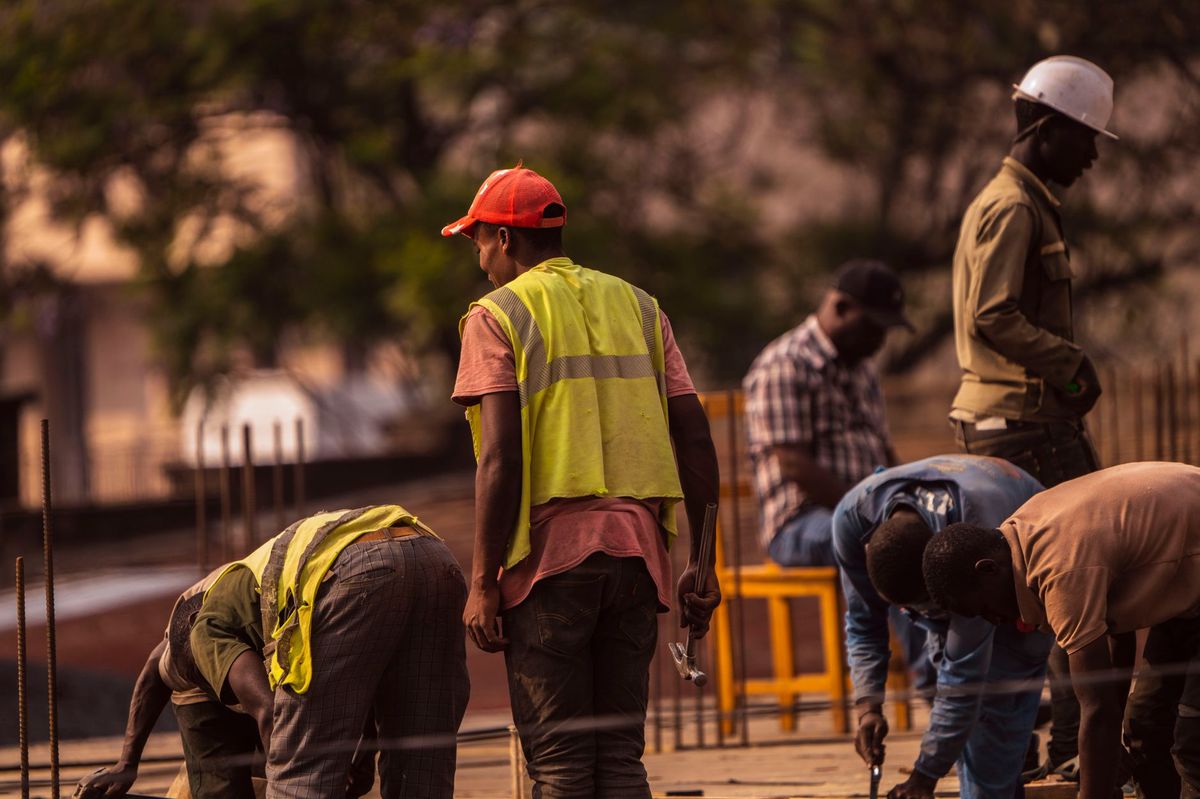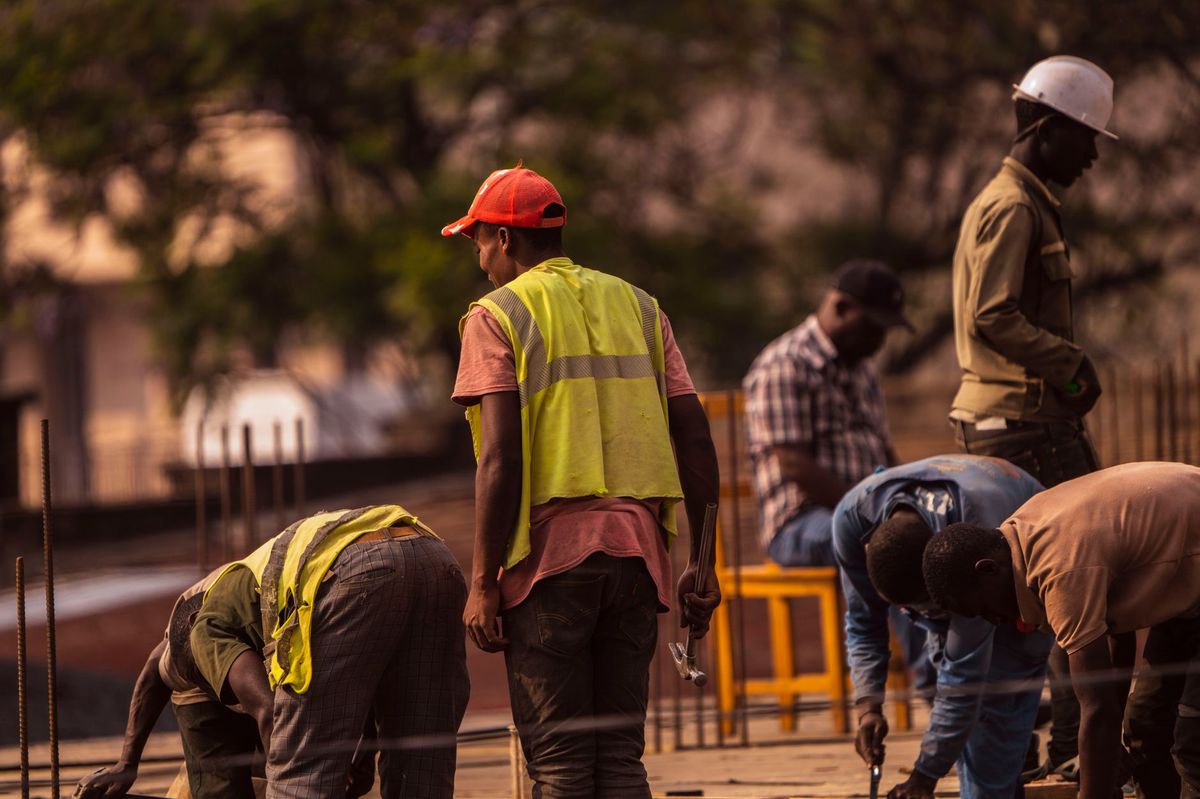
The Bureau of Labor Statistics Current Population Survey data confirms that 28.4% of construction workers in the United States are foreign-born — approximately 2.3 million workers out of a total construction workforce of 8.14 million. In certain trades and regions, foreign-born workers are not just a significant minority; they are the majority. Drywall installation is 62% foreign-born. Roofing is 54%. In the Houston, Dallas, and Los Angeles metro areas, foreign-born workers exceed 45% of the total construction workforce.
The data is clear — American construction as it currently operates would collapse without immigrant labor. This is not a political statement; it is an arithmetic one. And the ongoing shifts in immigration policy — enforcement, visa programs, and pathway debates — have direct, measurable impacts on labor availability, wages, project timelines, and construction costs.
The Workforce Composition: A Detailed Look
BLS and Census Bureau data provide a granular picture of the foreign-born construction workforce:
Country/region of origin:
- Mexico: 52% of foreign-born construction workers
- Central America (Guatemala, El Salvador, Honduras): 22%
- South America: 6%
- Caribbean: 5%
- Asia: 4%
- Europe and Canada: 4%
- Africa: 3%
- Other: 4%
Immigration status (estimated, based on Pew Research Center analysis of Census data):
- U.S. citizens (naturalized): 32%
- Lawful permanent residents (green card holders): 24%
- Temporary visa holders (H-2B, TN, etc.): 8%
- Unauthorized immigrants: 36% — approximately 830,000 workers
Trade concentration of foreign-born workers:
- Drywall and ceiling tile installation: 62% foreign-born
- Roofing: 54%
- Painting and wall covering: 49%
- Concrete finishing: 46%
- Masonry: 44%
- General laborers: 38%
- Framing carpentry: 36%
- Plumbing: 18%
- Electrical: 14%
- Operating engineers: 12%
The pattern is clear: foreign-born workers are concentrated in trades that are physically demanding, have lower licensing barriers, and historically offered entry-level access. Licensed trades like electrical and plumbing have lower foreign-born representation, partly reflecting language and licensing requirements that create barriers.
Regional concentration:
- Texas: 38% of construction workforce is foreign-born
- California: 42%
- Florida: 34%
- Nevada: 36%
- Arizona: 32%
- New York metro: 38%
- Georgia: 28%
- National average: 28.4%
Safety note: OSHA 29 CFR 1926.21(b)(2) requires that safety training be provided in a manner that employees can understand. For foreign-born workers, this means training must be available in their native language. OSHA's multilingual workforce guidance specifically states that safety communication in English alone does not satisfy the standard when workers do not speak English. I have investigated fatalities where the deceased worker had received safety training only in English despite speaking only Spanish. The training checklist showed a signature, but the worker did not understand the content. Every one of those deaths was preventable with proper multilingual safety communication.
The Economic Contribution
The economic impact of the foreign-born construction workforce is measurable:
Direct economic contribution:
- Foreign-born construction workers earn approximately $65.5 billion annually in wages
- They contribute approximately $9.8 billion in federal income taxes and $5.2 billion in state and local taxes
- Their labor produces an estimated $218 billion in construction output annually
Cost impact of reduced immigration: Multiple studies have estimated the construction cost impact of reduced immigrant labor supply:
- National Association of Home Builders (NAHB): Estimates that removing all unauthorized immigrant workers from construction would increase home prices by $14,000-$22,000 per unit due to labor cost increases and project delays
- American Action Forum: Projects that reducing net immigration by 50% would increase construction costs by 4-8% within three years due to wage inflation and productivity losses
- Federal Reserve Bank of Dallas: Found that metro areas with higher immigrant construction workforce shares have 12-18% lower construction costs per square foot, controlling for other factors
Wage effects: The relationship between immigration and construction wages is more nuanced than either side of the political debate suggests:
- Foreign-born workers earn approximately $4.80/hr less than native-born workers in the same trades — a gap attributable to experience differentials, licensing differences, and, for unauthorized workers, reduced bargaining power
- Areas with high foreign-born workforce concentration show lower average wages for affected trades
- However, areas with reduced immigrant workforce (following enforcement actions) show upward wage pressure of 8-14% within 6-12 months — but also project delays of 15-25% and cost increases of 6-11%
- The net effect: immigration moderates wage growth in affected trades but also enables project volume and affordability that would not exist at higher wage/lower labor supply equilibria
Policy Changes and Their Impact
Recent immigration policy shifts have had measurable effects on construction labor markets:
E-Verify Expansion
Several states now mandate E-Verify for construction employers:
- Alabama, Arizona, Mississippi, South Carolina: Mandatory for all employers
- Georgia, North Carolina, Utah: Mandatory for employers above specified size thresholds
- Florida: Mandatory for all private employers with 25+ employees (enacted 2023)
Impact: Contractors in mandatory E-Verify states report:
- 12-18% reduction in applicant pools for laborer and helper positions
- 8-14% increase in labor costs as contractors raise wages to attract verified workers
- Increased use of subcontracting — some general contractors have shifted labor to subcontractors to distance themselves from workforce documentation issues
- Growth of staffing agency usage — temporary staffing firms have seen 22% growth in mandatory E-Verify states as they assume verification responsibilities
H-2B Visa Program
The H-2B temporary non-agricultural worker visa program provides a legal pathway for seasonal construction workers, but it is severely constrained:
- Annual cap: 66,000 visas (with some supplemental allocations) — shared across all industries
- Construction's share: Approximately 8,000-12,000 H-2B visas per year
- Demand: Industry estimates suggest construction could productively employ 80,000-120,000 H-2B workers annually
- Processing time: 3-6 months from application to worker arrival — too slow for project-driven demand
- Cost to employer: $2,400-$4,200 per worker in legal fees, recruitment costs, and transportation
Contractors who use H-2B workers report high satisfaction with work quality and reliability, but the program's numerical limitations and administrative burden prevent widespread adoption.
Enforcement Actions
Immigration enforcement actions on construction jobsites have increased in frequency:
- I-9 audits: The number of employer I-9 audit notices issued to construction companies has increased by approximately 180% since 2022
- Worksite operations: Immigration and Customs Enforcement (ICE) worksite enforcement operations in construction have increased, though precise statistics are not publicly reported
- State-level enforcement: Florida, Texas, and Georgia have enacted state-level enforcement mechanisms that create additional compliance obligations
Measured impacts of enforcement:
- Projects in markets that experienced significant enforcement actions saw average delays of 4-8 weeks due to workforce disruptions
- Subcontractor replacement costs averaged $180,000-$420,000 per affected project
- Insurance claims related to enforcement-driven delays increased 34% in affected markets
The Workforce Development Alternative
Some industry leaders argue that the solution to construction's labor supply challenge is domestic workforce development rather than immigration. The data on this approach:
Current domestic pipeline:
- Construction apprenticeship enrollment: approximately 75,000 new enrollees per year
- Technical school and community college construction program graduates: approximately 42,000 per year
- Military veterans entering construction: approximately 28,000 per year
- Total domestic pipeline: approximately 145,000 per year
Annual workforce need:
- Retirement replacements: approximately 180,000 per year
- Growth demand: approximately 60,000 per year
- Turnover replacements: approximately 340,000 per year
- Total annual need: approximately 580,000 workers per year
The gap between domestic supply (145,000) and total need (580,000) is approximately 435,000 workers per year. Even with aggressive expansion of apprenticeship programs, workforce development cannot close this gap in the short or medium term. Immigration — legal and unauthorized — fills a significant portion of the difference.
What Contractors Should Do
Regardless of political views on immigration, contractors must navigate the current reality:
1. Ensure I-9 Compliance
- Complete Form I-9 for every employee within 3 business days of hire
- Accept any valid document or combination of documents from List A, B, or C — you may not specify which documents to present
- Retain I-9 forms for 3 years after hire or 1 year after termination, whichever is later
- Conduct internal audits annually to identify and correct errors
2. Invest in Multilingual Safety Programs
- All safety training, signage, and communication must be available in languages spoken by your workforce
- OSHA 29 CFR 1926.21(b)(2) requires training in a manner employees understand
- Bilingual foremen and safety personnel are essential on multilingual jobsites
3. Develop Domestic Workforce Pipeline
- Partner with high schools, community colleges, and vocational programs
- Sponsor apprenticeships through registered programs
- Engage in pre-apprenticeship outreach to underrepresented populations
- Offer competitive starting wages to attract entry-level domestic workers
4. Explore Legal Immigration Options
- H-2B visa program for seasonal labor needs
- EB-3 immigrant visa for permanent skilled workers
- TN visa for Canadian and Mexican professionals
- Consult immigration counsel early — processing timelines are long
5. Address Wage and Benefit Equity
- Pay workers based on skill and performance regardless of national origin or immigration status
- Ensure all workers have access to safety equipment, training, and health care
- Address any wage exploitation of vulnerable workers — it undermines the entire workforce
Safety note: Under OSHA's worker protection framework, every construction worker is entitled to a safe workplace regardless of immigration status. Workers cannot be retaliated against for reporting safety concerns, filing OSHA complaints, or participating in safety training — and immigration status does not diminish these rights. Section 11(c) of the OSH Act prohibits retaliation, and OSHA has issued guidance confirming that undocumented workers are covered. Any contractor who uses immigration threats to suppress safety reporting is violating federal law and endangering lives.
The data is clear — 28% of the construction workforce is foreign-born, and any policy or enforcement change that significantly reduces this labor supply will have immediate, measurable impacts on project costs, timelines, and housing affordability. The construction industry's immigration challenge is ultimately a math problem: the domestic labor pipeline cannot currently fill the demand, and the foreign-born workforce fills the gap. Policy solutions that fail to account for this arithmetic will produce consequences that no amount of political rhetoric can build around.
The Skills and Training Reality
A frequently overlooked aspect of the immigration discussion is the skill development that occurs within the immigrant construction workforce over time. Foreign-born workers who enter construction as laborers do not remain laborers indefinitely. Census Bureau longitudinal data shows:
Career progression of foreign-born construction workers:
- Entry position (Year 1-3): 68% start as general laborers or trade helpers
- Skill development (Year 4-7): 42% advance to semi-skilled positions (concrete finisher, framing carpenter, drywall installer)
- Experienced level (Year 8-12): 28% reach journeyman or equivalent skill levels
- Leadership (Year 12+): 14% advance to foreman or crew leader positions
This progression represents an enormous investment in human capital — skills developed through years of on-the-job training, informal mentorship, and trade-specific experience. When immigration enforcement removes workers who have accumulated 8-15 years of construction skill development, the industry loses not just a body but an experienced, trained professional who cannot be replaced overnight.
The licensing barrier: For foreign-born workers seeking to advance into licensed trades (electrical, plumbing, HVAC), language requirements in licensing examinations create a significant barrier. Most state licensing exams are available only in English, and the technical vocabulary required is specialized beyond conversational fluency. Some states (notably California and Texas) have explored offering licensing exams in Spanish, but implementation has been limited. Expanding exam language access could unlock advancement opportunities for thousands of experienced workers who possess the craft knowledge but lack the English proficiency to pass written exams.
Apprenticeship access: Registered apprenticeship programs require documentation of work authorization, which limits access for unauthorized workers who might otherwise benefit from formal training. The gap between informal skill development (which occurs regardless of immigration status) and formal credentialing (which requires documentation) creates a two-tier workforce where equally skilled workers receive unequal recognition and compensation.
Safety note: OSHA training requirements under 29 CFR 1926.21(b)(2) apply to all workers regardless of immigration status, and training must be provided in a language workers understand. However, the reality on many jobsites is that immigrant workers — particularly those without documentation — are less likely to report safety hazards, refuse unsafe work, or file workers' compensation claims for fear of immigration consequences. This creates a dangerous dynamic where the most vulnerable workers face the highest safety risks. Under Section 11(c) of the OSH Act, all workers have the right to a safe workplace and protection from retaliation for exercising safety rights. Immigration status does not diminish these rights, and employers who exploit immigration vulnerability to suppress safety reporting are violating federal law.
The data is clear — the 2.3 million foreign-born construction workers in the United States represent not just a labor supply but a skill and knowledge base developed over decades of accumulated experience. Any policy approach that fails to account for this investment in human capital will impose costs on the industry — in training, in productivity, and in project delivery — that far exceed the administrative costs of the policies themselves.
Frequently Asked Questions
What is the average salary for immigration construction workforce?
Industry analysts tracking immigration construction workforce report that 2026 has brought measurable shifts. With data showing 28.4%, the trend line suggests continued movement through the remainder of the year. Builders should factor this into both current bids and forward-looking project estimates.
How has immigration construction workforce changed in the last 5 years?
Market research on immigration construction workforce shows that geographic concentration matters significantly. With figures reaching 62% in key markets, the opportunities are substantial but location-dependent. States with strong population growth and infrastructure investment tend to see the highest activity levels.
What states have the highest immigration construction workforce?
Year-over-year comparisons for immigration construction workforce show meaningful change. The figure of 54% from current data represents a shift that contractors need to account for in their planning and bidding strategies. Historical trend analysis suggests this trajectory may continue through the end of the year.