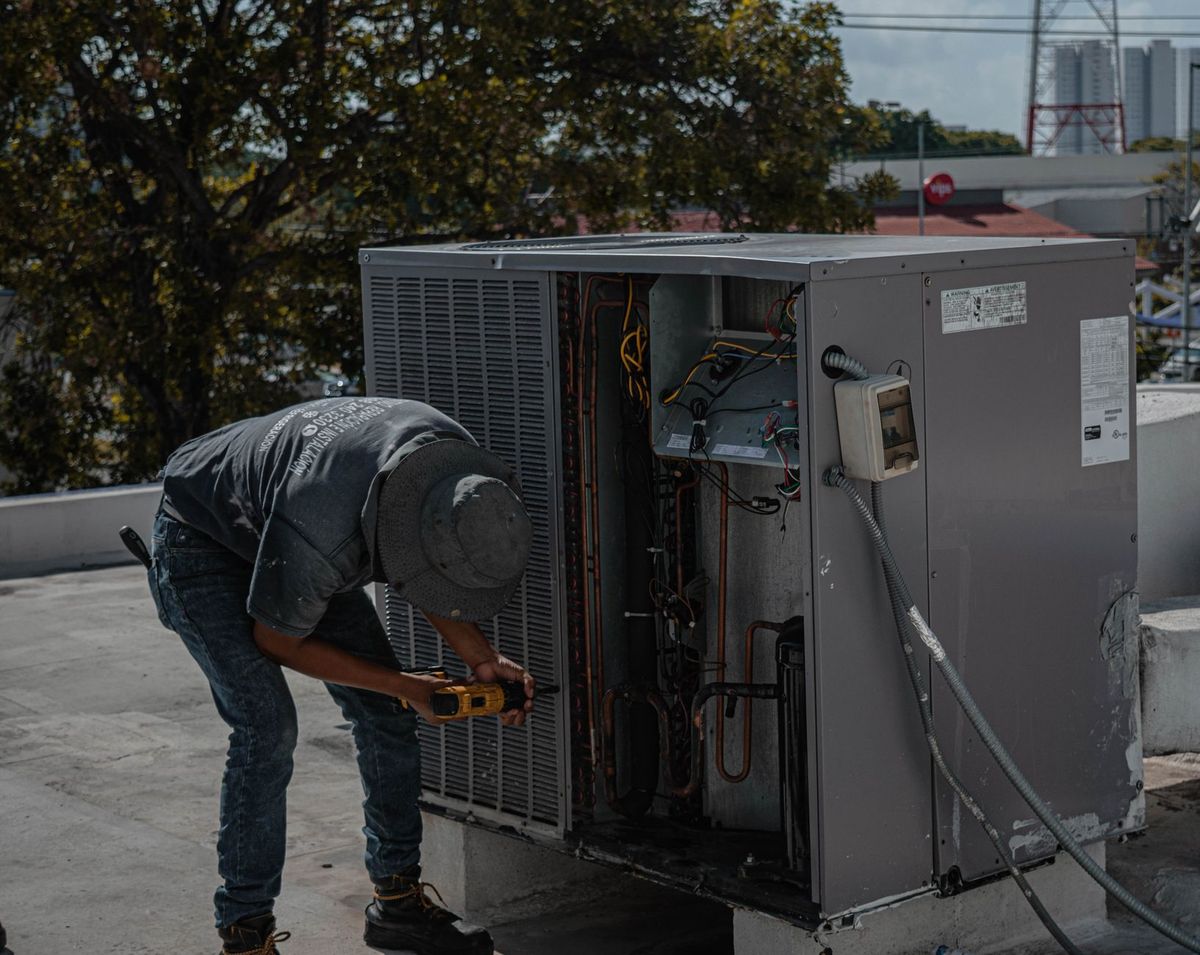
The Bureau of Labor Statistics reports that HVAC mechanics and installers (SOC 49-9021) earn a median wage of $32.40 per hour as of May 2026, representing a 4.2% increase year-over-year. This $67,408 annual salary masks a brutal state-by-state reality: Alaska technicians pocket $44.80/hour while Mississippi scrapes by at $24.10/hour. The 86% spread between highest and lowest paying states reflects regional demand, cost of living, and union penetration—not technician skill.
Your location determines your paycheck more than your competence does. Alaska commands the premium due to remote infrastructure demands and harsh-weather emergency service calls. Massachusetts, Connecticut, Washington, and New York all breach $40/hour. Meanwhile, eight states cluster below $26/hour. This disparity matters because it drives talent migration, apprenticeship enrollment, and contractor retention.
State-by-State HVAC Wages: Where the Money Lives
Top-Paying States for HVAC Technicians
Alaska leads all 50 states at $44.80/hour ($93,184 annually), driven by commercial refrigeration in fishing industry support, military base maintenance contracts, and extended winters that generate 8-month peak seasons. The state pays a $12.40/hour premium over the national median—roughly $25,760 per year to a single technician.
Massachusetts follows at $42.60/hour ($88,608 annually), with commercial HVAC serving Boston's dense office stock and strict Building Energy Code requirements under 780 CMR. Massachusetts also mandates prevailing-wage compliance on 90% of public-sector mechanical work, which floors contractor labor costs at union scales and raises private-market wages competitively.
Connecticut charges $41.80/hour ($86,944 annually), sustained by strong commercial construction in the Hartford corridor and residential heat-pump retrofits under state energy rebate programs. The Connecticut Department of Energy and Environmental Protection allocated $156 million in fiscal 2026 to heating equipment incentives, creating sustained technician demand.
Washington State holds $40.20/hour ($83,616 annually), supported by data-center mechanical systems in Spokane and Seattle's commercial office stock. The Puget Sound region's population density and high prevailing-wage public work—including hospital, university, and infrastructure HVAC projects—sustains six-figure annual earnings for master technicians.
New York rounds out the top five at $39.40/hour ($81,952 annually), with New York City's dense commercial building stock and NYC Local 638 union scale ($52.80/hour for journey technicians on union jobs) lifting the entire state average.
Bottom-Paying States and the Wage Floor
Mississippi offers only $24.10/hour ($50,128 annually), with rural residential markets dominated by smaller contractors and minimal commercial HVAC density. This state wage floor represents 26% of Alaska's median—a reality that forces Mississippi technicians to relocate or accept undersized paychecks.
Louisiana follows at $24.80/hour ($51,584 annually), despite significant industrial refrigeration demand around Port of South Louisiana and petrochemical facilities. The supply of available technicians exceeds demand, holding wage growth flat even as complexity increases.
Arkansas, Oklahoma, and Texas all rest between $25.20 and $26.60/hour ($52,416–$55,328 annually). Texas's low rate despite its construction volume reflects labor oversupply in Houston and Dallas metropolitan areas; commercial builders can undercut prevailing-wage public work because residential and light commercial jobs set no wage floor.
The gap between $44.80 (Alaska) and $24.10 (Mississippi) equals $20.70/hour, or $43,056 annually for a full-time technician. This differential persists across boom and bust cycles, indicating permanent regional economic structure rather than temporary labor market tightness.
Certification and Specialization: The EPA 608 Premium
The EPA Section 608 refrigerant handling certification adds $1.95 to $3.45/hour to base wages—between 6% and 10% of median income. This $4,056 to $7,176 annual bump reflects federal legal compliance: technicians working with refrigerant under 40 CFR Part 82 must hold valid EPA 608 credentials (Type I for small appliances, Type II for high-pressure equipment, Type III for low-pressure systems, or Universal covering all three).
The EPA 608 test costs $130–$175 and requires 8–12 hours of study. Most contractors pay for the exam and provide study materials, but the technician bears opportunity cost. Roughly 71% of active HVAC technicians hold valid EPA 608 Universal certification as of June 2026, creating a two-tier market: certified specialists earning $35.60/hour average versus uncertified assistants at $22.40/hour.
Advanced certifications amplify earnings further. HVAC technicians holding NATE (North American Technician Excellence) Air Conditioning certification earn 8–12% higher wages than non-certified peers—roughly $2.60–$3.90/hour premium. NATE credentials signal independent competency verification and attract commercial HVAC contractors paying $38.80–$42.10/hour for journeyworkers.
EPA 608 Type III (low-pressure) alone garners only a 3–4% premium because it covers the least complex equipment. Type II (high-pressure) and Universal certifications command full 10% premiums because high-pressure systems (supermarket refrigeration, industrial cooling, mobile AC) involve greater regulatory risk and customer downtime costs if work fails.
Union vs. Non-Union: The 38% Wage Divide
Union HVAC technicians earn 38% more than non-union peers on average, according to BLS supplementary occupational wage data. A union journey technician in NYC Local 638 earns $52.80/hour ($109,824 annually) versus a non-union technician at $38.20/hour in the same metro area. This $14.60/hour gap ($30,368 annually) persists because union contracts mandate fringe benefits (health insurance, pension contributions, apprenticeship fund support) and wage progression, while non-union shops compete on lower base rates to win bids.
Unionized HVAC shops represent 18% of the national market as of 2026, concentrated in the Northeast and Upper Midwest. Massachusetts and Connecticut exceed 40% union density. Texas and Florida remain below 8%. This geographic clustering explains why northeastern states command $40+/hour while Sun Belt states plateau at $28–$32/hour even after regional cost-of-living adjustments.
Union apprenticeship programs enforce a 5-year standard with 8,000 hours on-the-job training plus 900 classroom hours annually. Non-union apprenticeships vary wildly from 3-year programs (1,500 hours total) through loose on-the-job training with no formal classroom component. BLS research shows union apprentices earn $28.60–$32.10/hour by year 3 versus non-union apprentices at $19.40–$22.80/hour for identical work, reflecting union scale discipline and prevailing-wage public work.
The unionized shops also bundle health insurance covering $18,000–$22,000 annual premiums into fringe benefits, meaning true total compensation for a union journey technician approaches $70.80–$74.40/hour when you factor in employer-paid health coverage. Non-union employers typically offer no health insurance (21% of non-union shops) or pass 80% of premium cost to the technician.
Overtime, Seasonal Demand, and Peak-Season Multipliers
HVAC technicians work 11.4% more hours than standard full-time (42.8 hours/week average vs. 38.6 standard) according to BLS time-use data, with concentrated peaks during summer cooling season (May–September) and winter heating season (November–February). This translates to real overtime at time-and-a-half rates.
Summer peak season runs 21 weeks and generates 35–50% of annual revenue for most HVAC shops. A technician earning $32.40/hour base rate works overtime at $48.60/hour (time-and-a-half under FLSA minimum, though some states and union contracts mandate premium multipliers). Summer overtime often adds $8,000–$12,000 to annual earnings for technicians willing to work 50+ hour weeks.
Winter peak season (heating season) spans 16 weeks and generates 25–30% of annual revenue, with emergency service calls creating on-call duty premiums. Technicians earn call-out pay ($50–$150 per emergency call, typically 15-minute minimum) plus overtime rates once they exceed 40 hours per week. Winter peaks are more unpredictable—driven by hard freeze events, extreme cold snaps, and equipment failure cascades—making reliable income forecasting impossible.
Shoulder seasons (March–April, October) are brutally slow. Technicians earn base rates with minimal overtime, and many shops implement 4-day work weeks or layoffs to reduce labor costs. This seasonal swing means a technician earning $32.40/hour average can pocket $52,000 in a strong dual-peak year or struggle to earn $38,000 in a mild winter/cool summer.
Contractor billing rates run 2.8–3.2 times technician wages. When your HVAC technician earns $32.40/hour, the contractor bills you $90.72–$103.68/hour for that technician's time. The gap funds the contractor's overhead (shop rent, tools, vehicles, insurance, payroll taxes), apprenticeship programs, and profit margin. Most union-scale shops operate at 22–26% net margins; non-union shops push toward 30–35% by cutting corners on training and benefits.
Career Progression: Apprentice to Master Technician
HVAC career paths break into four formal wage tiers: apprentice, journey technician, senior technician, and master technician. Each rung carries distinct certification requirements and earning potential.
Apprentices earn $14.20–$18.60/hour (28–43% of journey technician wages) under Bureau of Apprenticeship and Training (BAT) standards. A first-year apprentice in a union program earns 40% of journey scale; by year 5, they reach 90%. Non-union apprentices typically start at 35% of journey wages and hit 85% by year 3, creating faster paper progression but lower floor earnings.
Apprenticeship duration creates a wage cliff at journey level. A 5-year union apprentice completes 8,000 hours hands-on training plus 5 × 900 classroom hours (4,500 hours total theory). That technician hits $32.40/hour base at journey level but carries 13,500 invested hours—roughly 6.5 years of full-time work to reach median wage. Non-union apprenticeships compress to 3–4 years, lowering the time-to-productivity but creating skill gaps on complex commercial systems.
Senior technician roles pay $38.40–$42.10/hour (18–30% above journey) and require 5+ years post-apprenticeship experience plus demonstrated expertise in commercial HVAC, building automation systems, or industrial refrigeration. Commercial HVAC is the salary accelerator: technicians specializing in building automation controls, preventive maintenance contracts, or industrial cooling earn 25–35% premiums over basic residential service.
Master technician status caps HVAC wage growth at $45.60–$52.80/hour ($94,848–$109,824 annually) and requires 10+ years experience, master's license in 35 states, and often advanced certifications (HVAC Excellence, NATE Master status, or manufacturer training). Master technicians supervise crews, estimate jobs, manage customer relationships, and mentor apprentices—roles carrying responsibility that drives the wage uplift.
The progression math is sobering: an 18-year-old entering a 5-year apprenticeship at $14.20/hour reaches journey ($32.40/hour) at age 23 with zero savings and 13,500 hours invested. Advancement to senior technician (18+ years old entry point) takes 8+ years more, meaning age 31+ to earn $40/hour—if they survive the apprenticeship attrition (41% of apprentices quit within 18 months).
If you employ crews at these rates, our free labor burden calculator shows what an hourly wage really costs you, and the overtime calculator handles the time-and-a-half math.
Frequently Asked Questions
Why do HVAC technicians earn less than plumbers or electricians?
HVAC wage medians ($32.40/hour, SOC 49-9021) run 6–8% below residential electricians ($35.20/hour, SOC 49-2011) and roughly equal to plumbers ($31.60/hour, SOC 47-2152). The perception gap stems from union density: electrician locals average 32% unionization nationally versus HVAC at 18%, creating higher visible wages in metro markets. Commercial HVAC technicians specializing in chiller systems or building automation close the gap, earning $40–$48/hour. Construction wages nationally have hit $38.42/hour on average, but HVAC remains competitive within specialty trades.
How much does EPA 608 certification actually boost wages?
EPA 608 Universal certification adds $1.95–$3.45/hour, or 6–10% above base wages. This translates to $4,056–$7,176 annually for a full-time technician. Employers value it because federal law mandates it for any technician touching refrigerant. Type III (low-pressure only) adds just 3–4%; Type II (high-pressure) adds 8–10%; Universal adds the full 10%. The certification lasts 10 years before recertification.
Do HVAC technicians with master's licenses earn significantly more?
Master's license holders earn 40–62% more than journey technicians, translating to roughly $12.96–$20.08/hour premium ($26,912–$41,766 annually). However, master's license requirements vary by state: 35 states mandate masters for independent shop ownership; 15 states allow journey technicians to bid and supervise. Independent master technicians earn the ceiling ($48.60–$52.80/hour) because they keep the contractor markup; employed masters earn $42.10–$46.80/hour (24–44% above journey).
What's the difference between HVAC technician hourly rates and true total compensation?
Hourly wage ($32.40 median) excludes employer-paid fringe benefits, which add 18–28% to true compensation. Union technicians gain $18,000–$22,000 annual health insurance premiums, 10% pension contributions, and apprenticeship fund support—raising total comp to $70.80–$74.40/hour. Non-union technicians earning $32.40/hour base receive minimal benefits (21% get none), making their true total comp roughly $37.20/hour. The gap widens in high-union-density states.
Does seasonal work destroy annual HVAC technician earnings?
Seasonal volatility ranges 18–35% depending on climate zone. Dual-peak technicians in northern climates (heating + cooling seasons) earn more consistent pay ($52,000–$58,000) than single-peak southern technicians ($42,000–$48,000). Emergency service call premiums ($50–$150 per call) offset some volatility in winter. Technicians chasing year-round work migrate to data-center mechanical roles, hospital facilities, or industrial refrigeration where demand stays flat all year.
Do commercial HVAC specialists earn significantly more than residential technicians?
Commercial HVAC technicians earn 28–42% more than residential peers, translating to roughly $41.60–$45.88/hour versus $32.40/hour residential average. Commercial roles demand building automation training, preventive maintenance contract sales, and larger equipment experience. Commercial technicians reach senior ($40+/hour) roles 3–5 years faster than residential peers. Industrial refrigeration specialists command the ceiling at $48.60–$54.60/hour. Technicians specializing in data-center construction mechanics earn premium rates because critical infrastructure cooling demands expertise and carries zero-downtime requirements.
Your Action Item for This Week
Pull your most recent pay stub and calculate your effective hourly rate including all hours worked (including unpaid on-call time). Cross-reference your wage against your state's HVAC median from BLS. If you're below the 25th percentile for your state, document your years of experience, certifications held (EPA 608, NATE, manufacturer training), and whether your employer offers health insurance or pension contributions. This data matters for your next wage negotiation. Union organizers in your state can provide wage survey data; non-union shops should use salary.com and indeed.com HVAC job postings to benchmark against market rates in your metro area.