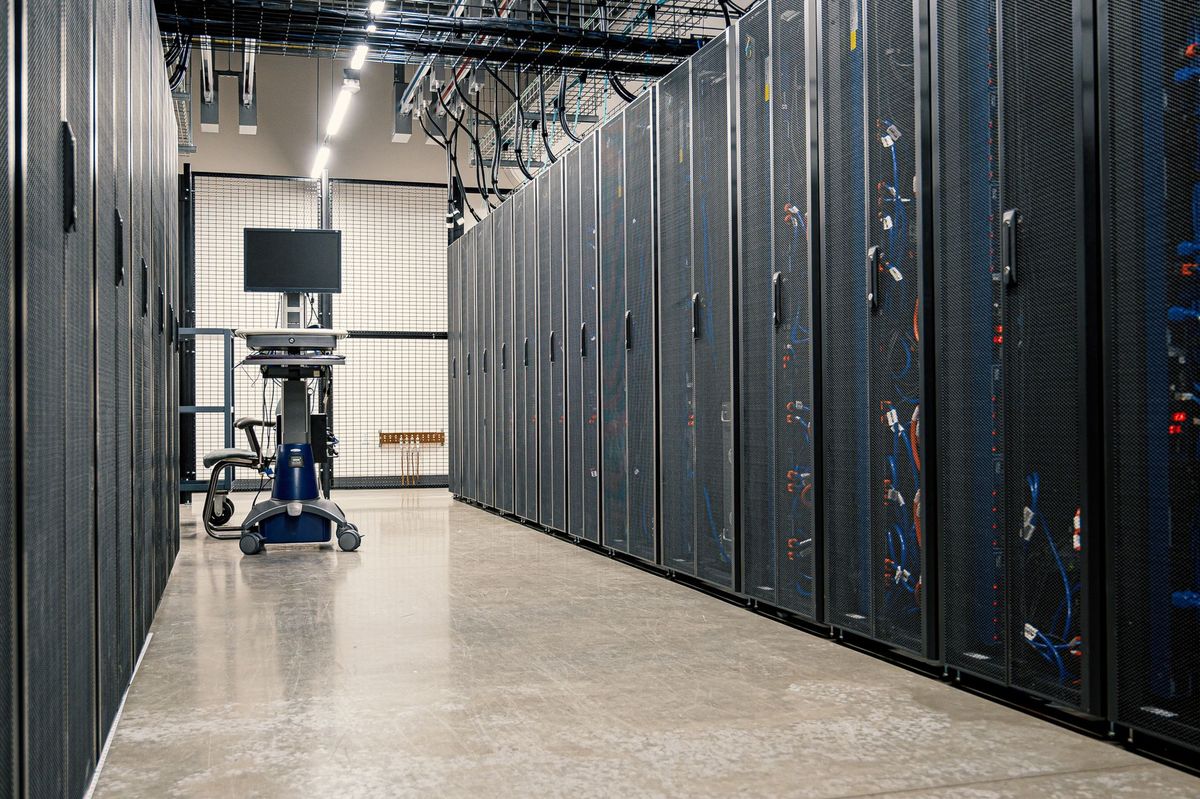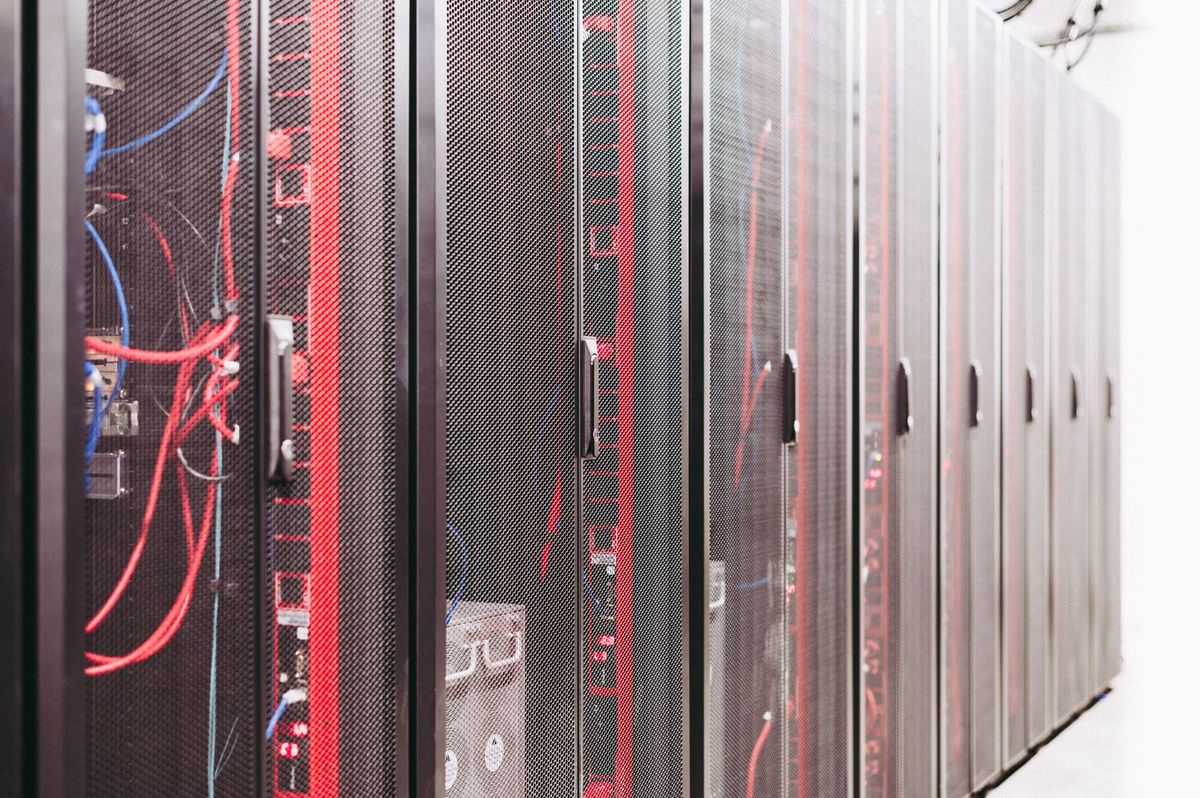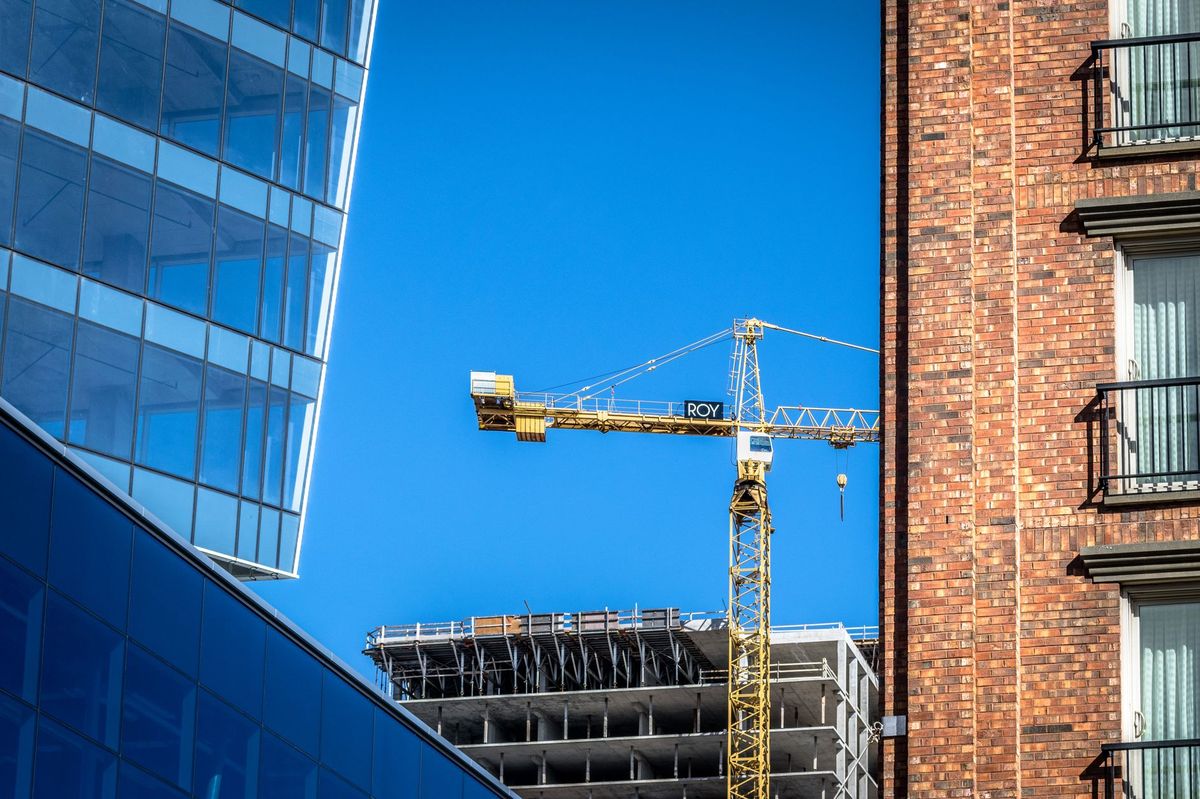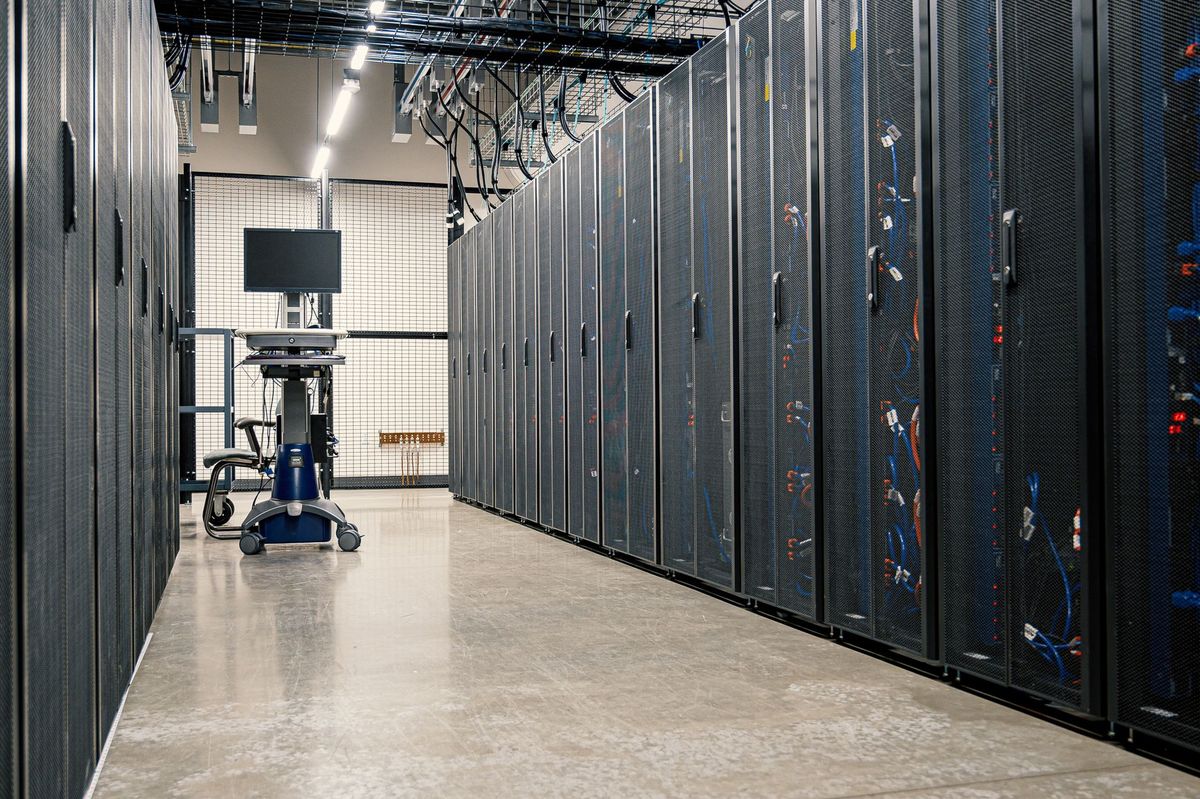
The five biggest cloud operators are guiding to north of $450 billion in combined capital expenditure for 2026, and the overwhelming majority of that is concrete, steel, switchgear, and chilled water for data centers. That's a number that didn't exist three years ago — combined hyperscaler capex was roughly $150 billion in 2023, so we're looking at a 3x run-up in 36 months. I run a mechanical sub that's bid two of these jobs, and I spend more time reading earnings transcripts than blueprints these days. Here's the money, company by company, and what it actually means if you're trying to get a piece.
Why I Track Earnings Calls Instead of Bid Boards
My shop's backlog used to track local commercial construction within about 5% accuracy off the Dodge Momentum Index. Now a single hyperscaler campus can be a $2 to $4 billion mechanical and electrical package, and the demand signal shows up on a quarterly earnings call 18 months before it hits a permit portal. Dell'Oro Group pegs total data center capex (hyperscalers plus colocation plus enterprise) at roughly $600 billion for 2026, up about 25% year over year. Synergy Research has hyperscaler operators alone accounting for more than 60% of that.
The reason matters: roughly 55 to 65 cents of every data center construction dollar now goes to electrical and mechanical systems — switchgear, transformers, chillers, busway, generators — not the shell. JLL's 2026 Global Data Center Outlook puts shell and core at $11.3 million per megawatt, with tenant fit-out for AI infrastructure adding up to $25 million per MW, and our data center construction cost per square foot and per MW guide shows how that compares with the $505/SF national average for the building. A 200 MW campus is therefore a $2.5 to $3 billion construction event before the racks show up. When Amazon says "$100 billion in capex," I'm doing the arithmetic on how many of those campuses that funds.
The 2026 Capex Scoreboard
| Hyperscaler | Estimated 2026 Capex | Primary Construction Focus |
|---|---|---|
| Amazon / AWS | ~$105–120B | AI data centers, Trainium chips, custom silicon halls |
| Microsoft | ~$80–90B | Azure AI capacity, OpenAI workloads, Fairwater campuses |
| Google / Alphabet | ~$75–85B | TPU campuses, AI inference, owned land builds |
| Meta | ~$65–72B | Llama training clusters, Louisiana + Ohio megasites |
| Oracle | ~$35–45B | Stargate buildout, OCI expansion, leased + owned |
| xAI / CoreWeave / Stargate | ~$40–60B combined | Colossus, GPU clouds, greenfield gigawatt campuses |
Treat every figure as guidance midpoint, not a contract value. Companies report capex on cash-flow statements; some of it is servers and chips, not buildings. My rule of thumb: 45 to 55% of a hyperscaler's "data center" capex is actual construction and physical infrastructure that a GC or sub can chase.
The Big Five: Capex Guidance Company by Company
Amazon / AWS — roughly $105–120 billion
Amazon is the largest spender, full stop. On its Q4 2025 earnings call, management guided 2026 capex above the $100 billion they already ran in 2025, with most of the increase tied to AI infrastructure for AWS. Apply my 50% construction haul and that's $50 to $60 billion of buildings, power, and cooling in a single year. AWS is pouring concrete in Indiana (a $15 billion-plus multi-phase commitment), Mississippi (around $10 billion), and Pennsylvania ($20 billion announced over several years). They're also self-supplying Trainium2 silicon, which means custom high-density halls that need different cooling than a 2022 cloud build. For a sub, that's the tell: liquid cooling and 415V distribution work that priced 20 to 30% higher per MW than air-cooled legacy data centers.
Microsoft — roughly $80–90 billion
Microsoft guided to record capex through fiscal 2026, running well above $30 billion per quarter and accelerating. A chunk funds OpenAI workloads and the "Fairwater" AI campus design — Microsoft's own term for purpose-built AI factories. Their Wisconsin site alone is a $3.3 billion commitment, and they've got active builds in Georgia, Ohio, and abroad. Microsoft made a point on its call that it's still "short of capacity," which is contractor catnip — it means the backlog isn't getting cut. About 50 to 55% of that spend is the physical plant. The catch: Microsoft has shown it will pause or slow specific leases (it walked away from a couple hundred MW of leased capacity in early 2025), so a phase can stall even while the topline grows.
Google / Alphabet — roughly $75–85 billion
Alphabet raised its 2026 capex guidance to the $75 billion-plus range on its earnings call, up sharply from the roughly $52 billion it spent in 2025. Google builds differently than the rest — it owns land early, designs its own TPU silicon, and runs a lot of self-perform on the structural side, which compresses GC margins on the shell but leaves the MEP work open. They're active in Ohio (over $2 billion across sites), Texas, and a $25 billion-plus Mid-Atlantic push. For my money, Google jobs have the cleanest payment terms of the five because their balance sheet is enormous and their procurement is centralized.
Meta — roughly $65–72 billion
Meta guided 2026 capex to a range topping out around $72 billion, with CEO commentary that they'd rather over-build than under-build for AI. Their Louisiana "Hyperion" campus in Richland Parish is the headline — a multi-gigawatt, $10 billion-plus build that's roughly the footprint of Manhattan when finished. Ohio's New Albany cluster is another $5 billion-class site. Meta self-finances aggressively and has floated tens of billions in debt specifically for data centers, which tells you they're committed enough to take on real debt risk. For subs, Meta runs tight schedules — I've heard of liquidated-damages clauses in the $50,000-per-day range on critical milestones, so price the risk in.
Oracle — roughly $35–45 billion, ramping hardest
Oracle is the fastest-accelerating name. It went from a few billion in annual data center capex to guiding $35 billion-plus for fiscal 2026, largely on the back of Stargate and a reported $300 billion-plus multi-year cloud contract with OpenAI. Oracle's remaining performance obligations (its booked-but-not-delivered backlog) blew past $130 billion, then reportedly toward $300 billion+ — numbers that imply a construction pipeline measured in dozens of gigawatts. The risk here is concentration: a huge share of that backlog leans on a single customer's ability to pay. If you chase Oracle/Stargate work, watch the payment terms and the bonding.
The Challengers: xAI, CoreWeave, and Stargate
xAI — burning $20–40 billion and building fast
Elon Musk's xAI built its "Colossus" supercluster in Memphis in a matter of months — 100,000-plus GPUs, then expanding toward a reported 1 million. Estimates put xAI's 2026 infrastructure spend in the $20 to $40 billion range, funded by multi-billion-dollar raises. The Memphis build is notorious for speed over process — they installed dozens of mobile gas turbines for interim power. For a contractor, xAI is high-velocity, high-cash, but the schedule compression means everything is a rush premium, and the permitting shortcuts have drawn lawsuits worth watching before you sign.
CoreWeave — roughly $20–23 billion in capex
CoreWeave, the GPU-cloud specialist, guided 2026 capex to roughly $20 to $23 billion, almost entirely data center fit-out and leased-then-built capacity. Its revenue backlog ran past $30 billion on contracts with Microsoft, OpenAI, and others. CoreWeave often leases the shell and self-performs the high-density power and cooling fit-out, so the work available to outside subs skews toward electrical and mechanical rather than structural. The caution flag: CoreWeave carries heavy debt against that backlog, so a single customer wobble is a real risk to a phase.
Stargate (OpenAI / Oracle / SoftBank) — a $500 billion headline
Stargate is the joint venture announced at a $500 billion multi-year ambition, with $100 billion-plus committed near term. The flagship Abilene, Texas campus targets multiple gigawatts. Stargate is less a single spender than a flow-through to Oracle, Crusoe (the developer on Abilene), and a roster of GCs. The Abilene build alone has been reported at $15 billion-plus across phases. If you want to understand who's actually swinging hammers on these, our list of the top 20 data center construction contractors maps the GCs landing this work — DPR, Turner, Holder, Mortenson, and Fortis show up repeatedly.
What This Capex Means for GCs and Subs
Backlog: the longest runway most of us have ever seen
ENR's top data center GCs are reporting backlogs stretching 24 to 36 months — unheard of for commercial work that usually turns in 12 to 18. With $450 billion-plus in hyperscaler capex and another $150 billion in colocation, the Dodge and Synergy numbers support a pipeline that doesn't crater in 2026 even if AI demand softens, because the committed leases are already signed. If you can get prequalified with two or three of these GCs, you can fill a shop's schedule for two years.
Margins: better than commercial average, but earned
Data center MEP work is running 4 to 8 points of gross margin above standard commercial — call it 18 to 24% on electrical and mechanical packages versus 12 to 16% on a generic office build — because the schedule pressure and technical bar thin the bidder pool. But the labor is the bottleneck. Electrician and pipefitter wages on these jobs carry 15 to 25% premiums, and per-diem for travel crews adds $150 to $200 a day. If your estimate doesn't bake in the labor squeeze, the margin evaporates. The per-MW cost detail in our cost-per-square-foot analysis is a sanity check before you commit a number.
Payment terms and pullback risk
Here's where I get contrarian. This much capex this fast has happened before — fiber in 1999, housing in 2006. The hyperscalers themselves admit there's "digestion" risk; Microsoft has paused leases, and Wall Street analysts at firms tracked by Bloomberg openly debate whether 2026's $450 billion is a peak. My playbook: take the work, but demand mobilization payments, watch retainage (push to hold it at 5%, not 10%), confirm the GC's parent is one of the credit-strong five and not a thinly capitalized developer, and don't let any one hyperscaler exceed 30% of your backlog. If you want to see real-time demand by metro before you chase a region, the permit-filing tracker and the 2026 data center construction forecast are the two boards I check weekly.
Frequently Asked Questions
How much are hyperscalers spending on data centers in 2026?
The five largest — Amazon, Microsoft, Google/Alphabet, Meta, and Oracle — are guiding to a combined $360 to $400 billion in total capex, of which roughly $200 to $230 billion is data center construction and physical infrastructure (the rest is chips and servers). Add CoreWeave, xAI, and Stargate-related spend and combined hyperscaler capex tops $450 billion. Dell'Oro puts total data center capex across all operators near $600 billion for 2026.
Which hyperscaler is spending the most on data center construction?
Amazon/AWS leads with roughly $105 to $120 billion in total 2026 capex guidance, the largest single number. Microsoft follows at $80 to $90 billion, then Google/Alphabet at $75 to $85 billion and Meta at $65 to $72 billion. Oracle's topline is smaller (~$35 to $45 billion) but it's growing the fastest, more than doubling year over year on Stargate.
Is the data center capex boom going to crash?
It could slow. Combined capex tripled in three years, which is the kind of curve that historically corrects. The cushion is that most spending backs signed, multi-year leases, so a 2026 pullback would show up as paused phases rather than canceled projects. Microsoft already walked away from a few hundred MW of leases in 2025. Protect yourself: diversify across operators, keep retainage low, and verify the credit behind each job.
How do I get my company on these data center jobs?
Get prequalified with the GCs that dominate the work — DPR, Turner, Holder, Mortenson, Fortis, and Clayco. Most hyperscaler builds are negotiated or design-build, not open bid, so the relationship with the GC matters more than the low number. Specialize: liquid cooling, medium-voltage electrical, and switchgear installers are in the shortest supply and command the best margins.
How much of a hyperscaler's capex is actual construction?
Roughly 45 to 55%. The rest is GPUs, CPUs, servers, and networking gear that get expensed as capex but aren't construction. So Amazon's ~$110 billion implies $50 to $60 billion of buildings, power, and cooling — the slice a GC or sub can chase.
What's the dollar value of a single hyperscaler data center campus?
A high-density AI campus runs $12 million to $15 million per megawatt of IT load including power and cooling. A 200 MW campus is therefore a $2.5 to $3 billion construction event, and the gigawatt-scale megasites Meta and Stargate are building cross $10 billion to $15 billion across phases.
Your Action Item for This Week
Pull the most recent quarterly earnings transcript for the two hyperscalers building closest to your shop — Seeking Alpha and the companies' own investor-relations pages post them free within 24 hours of the call. Search the transcript for the words "capex," "capacity," and "construction," and write down the guidance number and any mention of "short of capacity" (good for you) or "pause/digest" (a warning). Then cross-reference that operator against the GC list in our top 20 data center contractors piece and send a prequalification packet to the two GCs landing that operator's work. Thirty minutes of reading a transcript has put more work on my schedule than a month of chasing local bid boards.