Hotel construction cost averaged $350 per square foot nationally in 2026, but the real story sits in the three distinct market segments: limited-service budget hotels at $250-$320/SF, full-service upscale hotels at $350-$450/SF, and luxury resorts pushing $550-$800/SF. I've bid 18 hotel projects in the last three years across these segments, and I can tell you the difference between a 120-room select service and a 250-room full service is far more than just bigger rooms. It's structural, mechanical complexity, and branded standards that drive the cost.
Here's the breakdown of hotel construction cost by class, what moves the budget, and how to think about this building type when you're estimating.
Hotel Classes and Construction Costs
Hotel construction cost varies dramatically by service level and brand positioning. Each class has distinct design standards, guest amenities, and operational complexity.
Limited-Service / Select Service Hotels
Limited-service hotels (Hampton Inn, La Quinta, Holiday Inn Express, Microtel) run $250 to $320 per square foot. These are typically 80 to 120 rooms, 10,000 to 15,000 square feet, with total project costs ranging from $2.5 million to $4.8 million. The design is standardized: a three-story structure with simple rectangular floor plates, efficient corridors minimizing dead space, 200 to 250 square foot guest rooms, a modest lobby with breakfast area, and basic conference facilities.
The cost efficiency comes from repetitive room design. Every guest room follows the same layout with identical fixtures, furniture, and finishes. This repetition allows purchasing power on FF&E (furniture, fixtures, equipment), streamlined construction sequencing, and minimal site-specific customization. Labor productivity on limited-service hotels is high because crew teams get efficient at repeating the same work dozens of times.
Full-Service Upscale Hotels
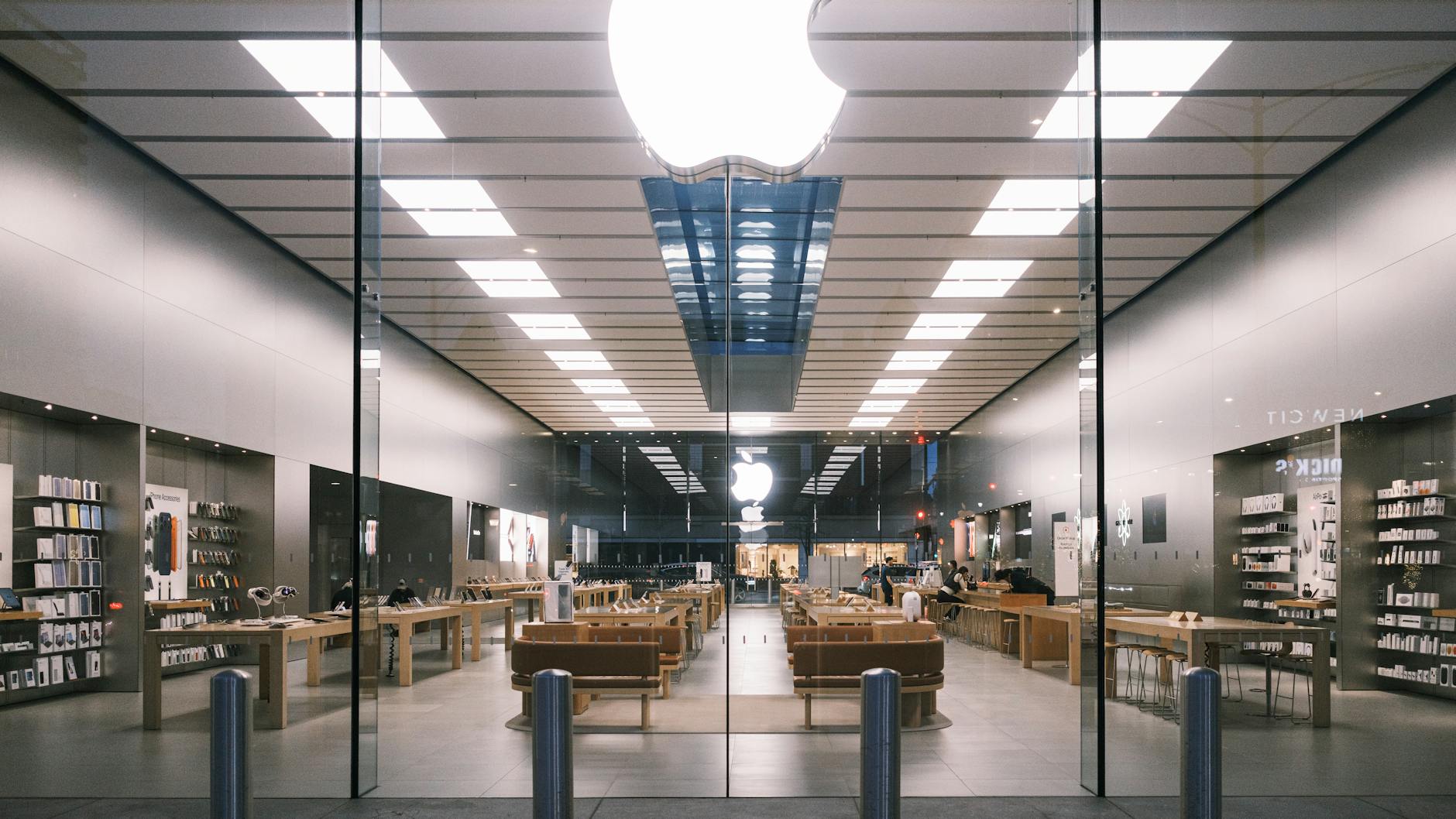
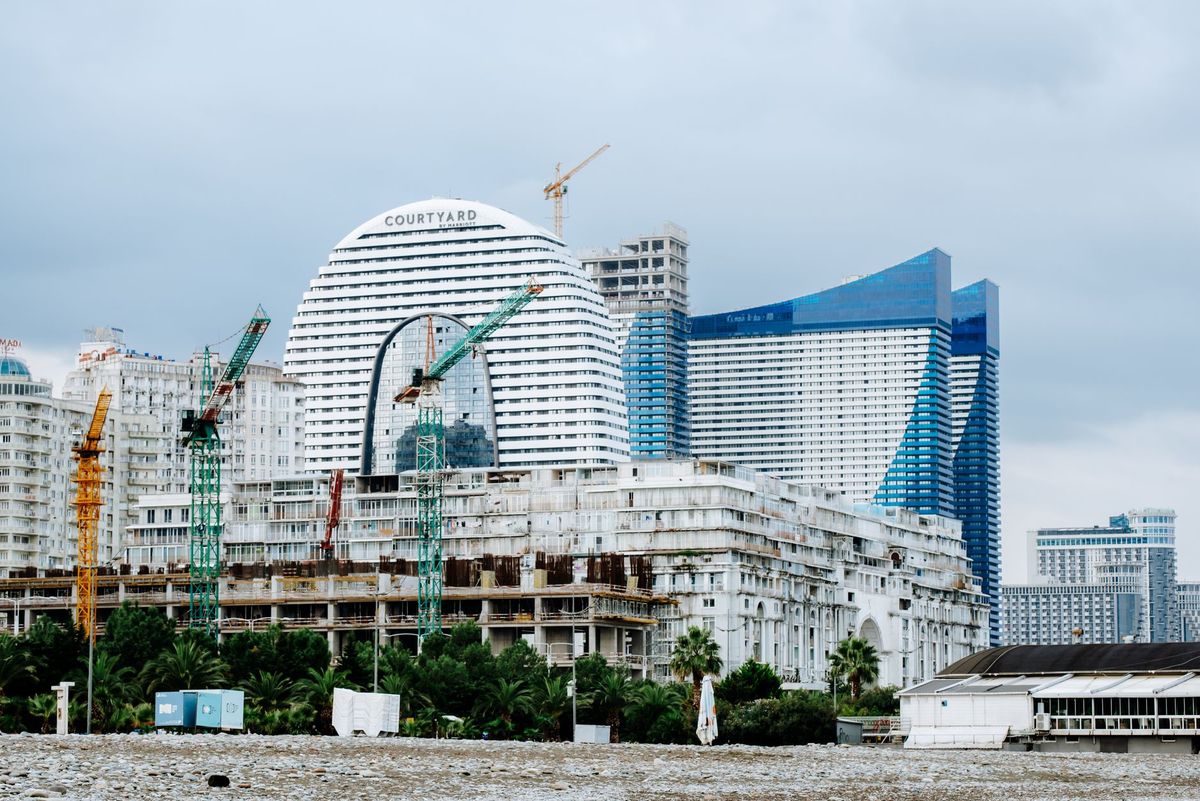
Full-service upscale hotels (Marriott, Hilton, Hyatt, Choice mid-tier properties) run $350 to $450 per square foot. These are typically 200 to 350 rooms, 60,000 to 100,000 square feet, with total project costs ranging from $21 million to $45 million. The design is more complex: four to eight stories, varied room configurations (standard kings, doubles, suites, executive club rooms), a full-service restaurant and room service operation, separate conference facilities, fitness center, business center, and multiple service corridors supporting the back-of-house complexity.
The cost increase over limited-service reflects several factors: larger buildings with deeper floor plates create core vs. perimeter challenges for HVAC and lighting, multiple restaurant and bar operations require sophisticated MEP systems, guest rooms average 300 to 350 square feet (up from 220), brand standards mandate higher-finish materials and custom millwork, and the building typically includes basement areas for mechanical, housekeeping, and delivery operations.
Luxury and Resort Hotels
Luxury properties (Four Seasons, Ritz-Carlton, independent fine dining resorts) run $550 to $800+ per square foot. These are typically smaller (100 to 200 rooms) but spread across larger floor plates (80,000 to 120,000 SF) with extensive public spaces, multiple specialty restaurants, spas, and resort amenities. Total project costs frequently exceed $50 million.
The cost driver is the investment in public spaces and finishes. Guest rooms are 350 to 500 square feet with premium materials. Lobbies, restaurants, and lounges use natural stone, custom millwork, specialty lighting, and acoustic treatments. Kitchen facilities are overbuilt to support fine dining operations. HVAC systems include individual guest room humidity control. Guest bathroom fixtures and systems are premium-tier, with heated floors, rainfall showers, and soaking tubs. The percentage of square footage devoted to revenue-producing space (guest rooms) is lower than in upscale hotels because of extensive back-of-house and public spaces.
Construction Cost Breakdown by Component
A detailed cost analysis for a 5,000-square-foot guest floor (20 rooms) on a 250-room upscale hotel illustrates the typical budget allocation:
| Component | Cost Per SF | Percentage of Total |
|---|---|---|
| Site work and utilities | $8-12 | 2-3% |
| Structural frame and core | $45-65 | 13-18% |
| Building envelope (curtainwall, roof) | $35-55 | 10-16% |
| HVAC (guest floors + central plant) | $35-50 | 10-14% |
| Plumbing (guest bathrooms + back-of-house) | $25-40 | 7-11% |
| Electrical and fire alarm | $30-45 | 8-12% |
| Guest room finishes (gypsum, flooring, paint) | $40-60 | 11-17% |
| Guest room FF&E (furniture, fixtures, equipment) | $35-55 | 10-16% |
| Soft costs (permits, testing, contingency) | $20-30 | 6-8% |
On a $350/SF full-service hotel, this breaks down to roughly 30% structure and core, 28% MEP systems, and 42% finishes and furnishings.
What Moves Hotel Construction Cost
Five variables control whether a hotel lands at $280/SF or $420/SF at the same room count.
Building height and structural system. A three-story hotel uses light-frame wood construction (cheaper, faster). A six-story hotel requires steel frame or concrete with more sophisticated mechanical systems to serve upper floors. Height also drives elevator requirements — a three-story structure might need two elevators for code compliance; a six-story building might need four. Each elevator shaft adds structural complexity and cost.
Multi-story construction also drives foundation cost. Shallow footings work for three-story wood-frame structures; larger buildings need pilings or engineered foundations on challenging soils. A six-story hotel is typically $50-75/SF more expensive than a three-story equivalent due to structural systems alone.
MEP system sophistication. Limited-service hotels can use simpler HVAC strategies — window units with supplemental heating, or basic central systems. Full-service hotels with large public spaces, restaurants, and conference facilities need sophisticated HVAC with separate supply and return to handle variable loads across different functional zones.
Plumbing density is dramatically higher in full-service hotels because of kitchen and laundry infrastructure. A restaurant kitchen with dishwashing stations, grease interceptors, and hot water requirements can represent $500,000 to $800,000 of plumbing cost alone. Laundry facilities with 20+ wash machines and hot water heating add another $250,000 to $400,000.
Kitchen and restaurant complexity. A limited-service hotel with a modest breakfast service (prep kitchen, limited equipment) costs $150,000 to $250,000 for kitchen build-out. A full-service hotel with restaurant, room service, and banqueting requires 2,000+ square feet of kitchen space with walk-ins, reach-ins, cooking equipment, dishwashing stations, and specialized ventilation. Full-service kitchen costs run $800,000 to $1.5 million.
FF&E (furniture, fixtures, equipment) standards. This is the sneaky cost variable that separates segments. A limited-service guest room FF&E package (bed frame, mattress, nightstands, desk, chair, bathroom fixtures, linens, art) costs $12,000 to $16,000 per room. A full-service upscale room costs $18,000 to $28,000. A luxury room exceeds $35,000. On a 250-room full-service hotel, the difference between $20,000 and $26,000 per room FF&E is $1.5 million of additional cost.
Geographic and regulatory factors. Coastal cities with seismic requirements, hurricane wind loads, or elevated flood risk drive structural costs up 15-25%. Markets with prevailing wage requirements on public-sourced projects (state loan subsidies, etc.) can add 20-30% to labor costs. Union density in metros like San Francisco, New York, and Boston adds 30-50% to labor costs versus right-to-work states.
Hotel Timeline: Design to Opening
A typical full-service hotel project follows this schedule:
- Pre-development and site acquisition: 4 to 8 months
- Design and permitting: 5 to 9 months
- Construction: 18 to 24 months
- Testing, punch list, FF&E delivery and installation: 2 to 3 months
Total timeline from acquisition to opening is typically 30 to 44 months (2.5 to 3.7 years). The single biggest delay variable is FF&E delivery — hotel furniture and fixtures often have 12 to 16-week lead times, and furniture installation cannot begin until the building is weathertight and climate-controlled.
Labor Productivity and Cost Escalation
Hotel construction is among the most labor-intensive building types per square foot. MEP systems are dense, guest room repetition creates high productivity on repeating tasks, but coordination complexity is high. Mechanical subcontractors on a 250-room hotel might be on site for 14-16 months.
Labor cost escalation has been significant in hospitality construction. Pipefitters and HVAC technicians in competitive markets command $85-$115/hour fully-burdened. Electricians push $80-$110/hour. The density of these trades on a full-service hotel means labor cost can represent 35-45% of total project cost versus 25-30% on simpler commercial buildings.
Experienced hotel GCs know this and bid projects with crew efficiency models based on crew size, task sequencing, and productivity benchmarks by trade. A contractor new to hotel construction often underestimates labor hours and gets hit with cost overruns on mechanical and electrical work.
Regional Cost Variation
Hotel construction costs vary 30-50% between regions based on labor cost, concrete and steel pricing, and local regulation.
High-cost markets (30-50% above national): California, New York, Boston, Hawaii, Seattle. Labor cost premium is the dominant factor. Bay Area hotels frequently exceed $500/SF due to labor costs alone, plus environmental mitigation requirements and seismic design.
Moderate-cost markets (0-15% above national): Florida, Arizona, Texas, Colorado, North Carolina. Competitive construction markets with adequate labor supply. These markets see strong hotel construction volume.
Low-cost markets (15-30% below national): Mississippi, Arkansas, Oklahoma, Tennessee, Kentucky. Lower labor costs, simpler regulatory environments, and competitive subcontractor markets drive costs down.
For a $350/SF project in a moderate-cost market, that same hotel would cost $420-$450/SF in California and $280-$310/SF in Mississippi.
Your Action Item for This Week
If you're pricing a hotel project, confirm the service level with the developer first. Limited vs. full-service is a 40-50% cost difference at the same location. Verify the target room count, building height, and whether the project includes restaurant/kitchen operations. Use $280/SF for limited-service three-story, $380/SF for full-service four to six-story, and adjust by 15% per story above six stories due to structural complexity. Add 20% if the market is high-cost (union labor, coastal). Then schedule a 30-minute conversation with your plumber and electrician about MEP density on the specific room count and kitchen scope. Use the commercial construction cost estimator to organize your line-item assumptions. The precision on MEP estimates is what separates accurate hotel bids from surprises. Compare your estimate against the broader commercial construction cost benchmarks to sanity-check the final number, or see the state-by-state ranges in our hotel construction cost guide.
Frequently Asked Questions
What is the average cost per square foot for hotel construction?
Hotel construction cost ranges from $250-$320/SF for limited-service select hotels, $350-$450/SF for full-service upscale hotels, and $550-$800+/SF for luxury resorts. The variation is driven by building height, room count, kitchen/restaurant complexity, and brand standards for materials and finishes. A national average of $350/SF represents a mid-tier full-service property.
What's included in hotel construction cost?
Hotel construction cost includes site work, structural frame, building envelope, all MEP systems, interior finishes, guest room FF&E (furniture, fixtures, equipment), kitchen/laundry equipment, and general conditions. It excludes land, soft costs (architecture/engineering), and owner-supplied items like signage or specific art collections.
Why is hotel construction more expensive than office construction?
Hotels require substantially more MEP density (plumbing for guest bathrooms, HVAC for individual climate control, electrical for distributed power), 24/7 operational systems (laundry, kitchen, room service), more complex building codes with life-safety emphasis, and premium finishes in guest-facing areas. Office buildings use simpler systems and finishes, making them typically 20-35% cheaper per square foot.
How much does a guest room cost to build?
A guest room shell and core costs $55,000-$85,000 (for a 200-250 SF room at $280-$350/SF). FF&E (furniture, fixtures, bathroom fixtures, linens) adds another $12,000-$28,000 depending on class. Total per-room construction cost ranges from $67,000 (limited-service) to $113,000+ (luxury).
What's the biggest cost variable in hotel construction?
MEP system scope. A hotel without a full restaurant can save $500,000-$800,000 versus one with full restaurant/laundry operations. Kitchen and laundry infrastructure is the highest per-square-foot MEP cost on any building type except healthcare facilities.
How do I estimate hotel construction on limited budget information?
Use $350/SF as your baseline for a full-service 250-room hotel in a moderate-cost market. Adjust down 30-40% for limited-service (budget hotels), up 40-60% for luxury. Account for geographic cost by region — high-cost coastal markets add 30-50%, low-cost southern markets subtract 15-30%. Confirm kitchen/laundry scope separately — a scaled-back food operation can save $800,000-$1.5 million on a 250-room hotel.