The Density Math Is Inescapable
When a single-family lot costs $68,000 and a townhome lot costs $22,000, the math does itself. Townhome construction starts surged 23% year-over-year in Q1 2026, making attached housing the fastest-growing segment of residential construction by a wide margin. And this isn't a blip — it's a structural shift driven by land economics that aren't going to reverse.
Here's the deal: the single-family detached home on a quarter-acre lot has been the American housing ideal for 75 years. And for builders, it's been the product that delivers the best combination of margin, simplicity, and market demand. But when land costs eat 15% to 25% of the home's sale price, you need to spread that cost across more units or price yourself out of the market. Townhomes — whether you call them attached single-family, row houses, or urban villas — are how builders are solving the land cost equation in 2026.
If you're a builder who's never built attached product, or if you're on the fence about adding townhomes to your lineup, this article will walk you through the economics, the construction differences, and the market dynamics that are driving the attached housing boom.
Why 23% Growth
The 23% surge in townhome starts isn't happening in a vacuum. It's the result of several converging forces:
Land economics. This is the primary driver and it's simple arithmetic. A one-acre parcel yields 3 to 4 single-family lots at conventional density. The same acre can accommodate 8 to 12 townhome units, depending on lot width and configuration. If the raw land costs $250,000 per acre and the development costs add another $150,000, the per-unit land cost drops from $100,000 to $130,000 for single-family to $33,000 to $50,000 for townhomes. That $50,000 to $80,000 per-unit savings in land cost flows directly into a lower sale price, making the product accessible to a broader buyer pool.
Zoning reform. Municipalities across the country are loosening zoning restrictions on attached housing, driven by housing affordability concerns and state-level mandates. Oregon eliminated single-family zoning statewide in 2023 for cities over 25,000 population. California, Washington, Montana, and several other states have passed "missing middle" housing legislation that allows or encourages attached housing in previously single-family-only zones. These regulatory changes have opened up thousands of developable acres for townhome construction that were previously off-limits.
Buyer acceptance. The stigma around attached housing is fading, particularly among younger buyers. Millennials and Gen Z homebuyers, many of whom grew up in apartments and condos, are more comfortable with shared walls than previous generations. Surveys show that 35% of buyers under 40 would prefer a townhome in a walkable location over a single-family home in a suburban location — a complete inversion of historical preference patterns.
Builder economics. From a builder's perspective, townhomes offer several financial advantages beyond land cost savings. Construction speed is faster (shared walls, smaller footprints, repetitive plans), trade efficiency is higher (your framing crew can frame three units in the time it takes to frame two detached homes), and overhead per unit is lower. The typical townhome project generates 18% to 24% gross margin, comparable to or slightly above single-family detached margins.
Pro tip: If you're transitioning from detached to attached construction, start with a duplex or triplex product before jumping to six-unit or eight-unit townhome buildings. The fire separation and structural requirements for two or three attached units are manageable, and the construction process is similar enough to single-family that your existing crews can handle it with modest training. Once you're comfortable with the attached construction details, scale up to larger buildings.
The Construction Differences That Matter
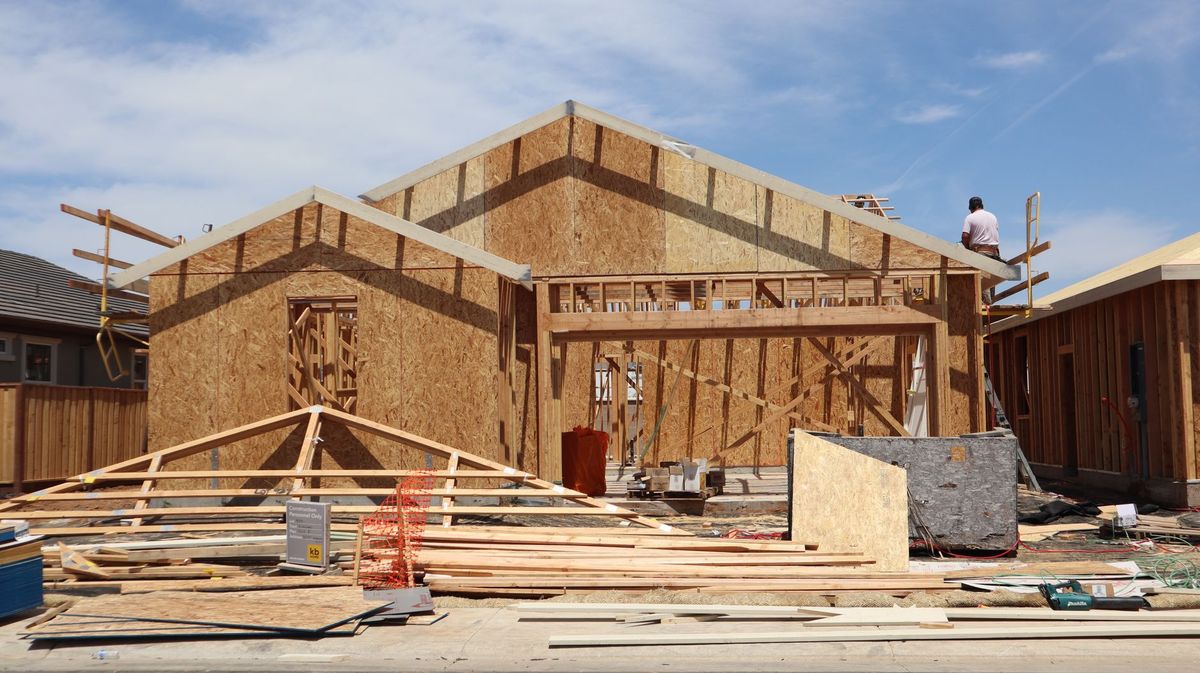
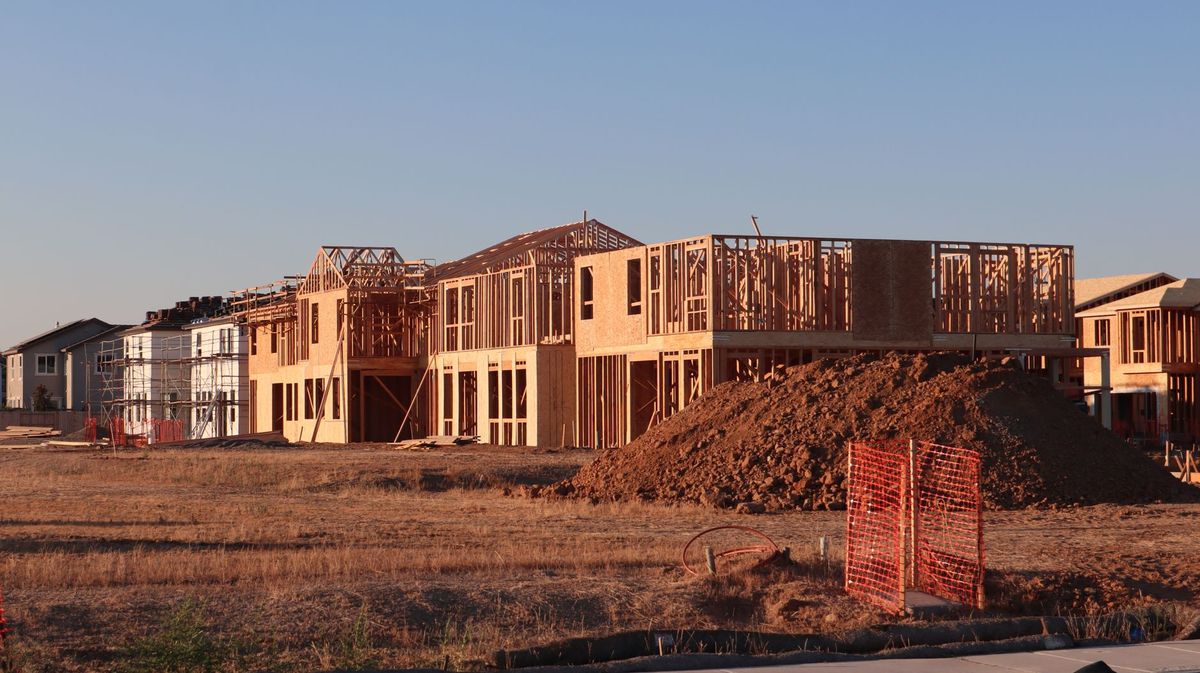
Building townhomes isn't just building narrow single-family homes with shared walls. There are meaningful construction differences that affect cost, schedule, and quality:
Fire separation walls. The biggest single difference between detached and attached construction is the fire separation requirement between dwelling units. The IRC requires a minimum one-hour fire-resistance-rated assembly between townhome units. This is typically achieved with a double-framed wall — two separate 2x4 walls with a one-inch air gap between them, each side covered with 5/8-inch Type X drywall. The double wall provides both fire resistance and sound attenuation.
The fire separation wall adds $2,500 to $4,000 per shared wall in materials and labor, including the additional framing, the Type X drywall, the fire-stopping at penetrations, and the inspection requirements. On a four-unit townhome building with three shared walls, that's $7,500 to $12,000 in additional cost — offset by the land savings many times over.
Some jurisdictions accept alternative assemblies — a single concrete masonry unit (CMU) wall, for example, provides a two-hour fire rating and serves as a permanent party wall. CMU party walls cost more to install ($4,000 to $6,000 per wall) but provide superior fire and sound performance and are favored by many buyers.
Sound attenuation. Even beyond the fire separation requirement, sound transmission between attached units is a major quality issue. Buyers who are paying $350,000 or more for a townhome expect not to hear their neighbors' television, conversations, or plumbing. Meeting the bare minimum sound transmission class (STC) rating of 50 required by code produces a wall that's technically compliant but practically inadequate.
Smart builders target STC 55 to 60, which requires adding mass (additional drywall layers), resilient channels or sound clips on one or both sides of the party wall, and acoustical insulation (mineral wool, not fiberglass) in the wall cavity. The additional cost is $500 to $1,500 per wall, and the improvement in buyer satisfaction is dramatic.
Pro tip: Invest in an STC test on your first few townhome projects. A sound transmission test costs about $500 per wall and gives you documented evidence of your sound performance. If you're achieving STC 58 or higher, use that number in your marketing — "sound-tested party walls" is a powerful differentiator in the townhome market. And if you're falling short, the test will tell you where to improve your assembly before buyers complain.
Plumbing stacking. Townhomes are typically two or three stories, which means plumbing needs to be stacked vertically for efficiency. The kitchen, laundry, and bathrooms should be aligned vertically across floors to minimize horizontal drain runs and maximize gravity-driven drainage. Poor plumbing stacking is one of the most common design mistakes in townhome plans — it adds cost, creates noise issues, and complicates maintenance.
Structural engineering. Townhome buildings with more than four units typically require engineered structural design rather than prescriptive code compliance. This adds $3,000 to $8,000 in engineering fees per building but provides a more efficient structural design that often saves money in materials. For buildings of five to eight units, the engineering investment is almost always cost-effective.
Site logistics. Townhome construction on compact sites requires more careful logistics planning than detached homes. Material staging, equipment access, construction phasing (you typically can't start the end unit until the interior units are under roof), and parking for trades all need to be planned before construction begins. A site logistics plan that addresses material delivery, equipment positioning, and construction sequencing is essential for maintaining schedule and avoiding conflicts.
The Market: Who's Buying Townhomes
The townhome buyer demographic has shifted significantly from the traditional profile:
First-time buyers (40% of townhome purchases) are the largest segment, drawn by the lower price point and the location advantages that townhomes often offer. A first-time buyer who can't afford a $400,000 single-family home may be able to afford a $310,000 townhome in the same school district and commute zone. The townhome gives them homeownership, equity building, and community without the price tag of detached housing.
Downsizers (25% of townhome purchases) are the fastest-growing segment. Empty nesters who want to reduce maintenance, eliminate lawn care, and live in a more walkable environment are increasingly choosing townhomes over single-family downsizer homes. This buyer wants quality finishes, main-floor living options, and low-maintenance exteriors. They're less price-sensitive than first-time buyers and more demanding about quality and design.
Young professionals (20% of townhome purchases) value location and lifestyle over square footage. They want to be near urban amenities, walkable to restaurants and entertainment, and close to transit. A well-located townhome serves these priorities better than a suburban single-family home that requires a 45-minute commute.
Investors (15% of townhome purchases) are buying townhomes for rental income, attracted by the lower per-unit price point and the strong rental demand in many markets. Investor-purchased townhomes are particularly common in markets with strong employment growth and limited rental supply.
Design Trends in 2026 Townhomes
The design of new townhomes has evolved substantially from the cookie-cutter attached product of the 2000s:
Wider units with rear-loaded garages. The trend is toward 22 to 26-foot-wide units (up from the traditional 16 to 20 feet), which allows for more livable floor plans with better room proportions. Rear-loaded garages accessed from alleys eliminate the "garage-dominated streetscape" problem that plagued earlier townhome developments.
Main-floor flex rooms. Recognizing that buyers use their homes differently, many townhome plans now include a flex room on the main floor that can serve as a home office, guest bedroom, or formal dining room depending on the buyer's needs. This single design feature dramatically expands the plan's market appeal.
Rooftop terraces. In urban and high-density locations, rooftop terraces provide outdoor living space that the small or nonexistent yards can't offer. Structural and waterproofing requirements add $8,000 to $15,000 per unit, but rooftop terraces can increase the sale price by $15,000 to $25,000 in markets where outdoor space is valued.
EV-ready garages. A 240V outlet or EV charger connection in each garage is becoming standard in new townhome construction, adding $400 to $800 per unit. Given the trajectory of EV adoption, this is a minimal investment with significant future value.
Pro tip: Study the townhome plans that are selling well in markets similar to yours, even if those markets are in different states. Townhome design has gotten much more sophisticated in the past five years, and the builders who are selling through quickly have cracked the code on floor plan layout, finish specifications, and community design. Don't reinvent the wheel — learn from what works and adapt it for your market. Most plan providers offer townhome plan sets that can be customized for local conditions and preferences.
The Community Design Factor
Townhome developments live or die on community design. A townhome building with great units but a poorly designed site will sell slowly. A mediocre unit in a well-designed community will sell fast. The community-level design elements that matter most are:
Streetscape variety. Avoid the "barracks" look by varying roof lines, facade materials, setbacks, and entry treatments across units. Even within a repeating unit plan, alternating exterior colors and material packages creates visual interest and prevents the development from looking monotonous.
Open space and amenities. Townhome communities need common green space, walking trails, and gathering areas to offset the smaller private yards. A well-designed pocket park, a community garden, or even a shared outdoor seating area adds perceived value and differentiates your community from competitors.
Parking beyond the garage. Townhome residents have guests, and guest parking is a constant source of friction in attached communities. Plan for at least 0.5 guest parking spaces per unit, ideally distributed throughout the community rather than concentrated in a single lot.
Pedestrian connectivity. Sidewalks, pathways, and connections to adjacent retail, schools, and transit make townhome communities more livable and more valuable. The best-selling townhome communities are the ones that offer a lifestyle, not just a housing unit.
Financial Modeling for Townhome Development
For builders considering a townhome project, here are the key financial metrics to model:
Land cost per unit: Target $20,000 to $40,000 for suburban projects, $40,000 to $80,000 for urban infill. These are the ranges where townhome economics work well. If your land cost per unit is above $80,000, you need a high-price market to make the project pencil.
Hard construction cost per unit: $140 to $200 per square foot for a typical 1,600 to 2,200 square foot townhome. Hard costs include everything from foundation to certificate of occupancy. The per-square-foot cost is generally 5% to 10% lower than comparable single-family detached construction due to shared wall efficiencies, smaller foundations per unit, and reduced roofing area.
Soft costs: 12% to 18% of hard costs for design, engineering, permitting, marketing, and financing. Townhome projects often have higher soft cost percentages than single-family because of the more complex permitting process and the HOA documentation required in most jurisdictions.
Target gross margin: 18% to 24% for for-sale townhomes. This is consistent with or slightly better than typical single-family detached margins, driven by the efficiencies of attached construction.
Absorption rate: 2 to 4 units per month per phase is typical for a well-located, competitively priced townhome community. Plan your phasing to match your expected absorption so you're not carrying finished unsold inventory.
The Bottom Line
Townhome construction is surging because the math works — for buyers, for builders, and for communities. The 23% growth rate reflects a fundamental restructuring of the residential construction market driven by land costs, buyer preferences, and regulatory changes that aren't going to reverse.
For builders, townhomes represent a significant growth opportunity — but one that requires new skills, new plans, and new approaches to construction management. The fire separation details, the sound attenuation challenges, the plumbing stacking requirements, and the community design considerations all demand attention and expertise.
But the builders who master attached construction are going to find themselves in the sweet spot of the 2026 housing market: delivering an affordable, desirable product in locations that buyers want to live, at margins that sustain a healthy business. That's not a bad place to be.
The density math is inescapable. The question isn't whether you'll build townhomes — it's when you'll start.
Related Reading
You can pressure-test these figures for your own project with our free cost estimator and the markup margin calculator.
Frequently Asked Questions
How much does townhome construction growth cost in 2026?
Federal and state data confirm that townhome construction growth continues to be a major factor in 2026 construction planning. The latest available figure of $68,000 provides a useful baseline, though actual costs vary by region, project scope, and market conditions. Contractors should request updated quotes from suppliers and subcontractors before finalizing bids.
What states have the most townhome construction growth activity?
Market research on townhome construction growth shows that geographic concentration matters significantly. With figures reaching $22,000, in key markets, the opportunities are substantial but location-dependent. States with strong population growth and infrastructure investment tend to see the highest activity levels.
How does townhome construction growth compare to last year?
Year-over-year comparisons for townhome construction growth show meaningful change. The figure of 23% from current data represents a shift that contractors need to account for in their planning and bidding strategies. Historical trend analysis suggests this trajectory may continue through the end of the year.