The Renovation Machine Keeps Running
The Joint Center for Housing Studies just released their updated renovation spending estimate, and the number is staggering: $427 billion in 2025, with projections to push past $440 billion in 2026. That's not a typo. American homeowners spent more on fixing up their existing homes than the entire GDP of Ireland.
And here's what every residential contractor needs to understand: kitchens and bathrooms still dominate the spending, but the composition of who's renovating and why has shifted significantly. If you're pricing and marketing renovations the same way you were three years ago, you're leaving money on the table.
Let me break down where the money is actually going, what's driving the spend, and how you should be positioning your business to capture it.
The $427 Billion Breakdown
Renovation spending falls into a few major buckets, and understanding the mix matters for your business strategy:
Kitchen remodels account for roughly $78 billion of the total — about 18% of all renovation spending. The average kitchen remodel now runs $35,000 to $80,000 for a mid-range project and $80,000 to $150,000-plus for upscale work. Those numbers are up 12% from two years ago, driven primarily by labor cost increases and the continued premiumization of appliance packages.
Bathroom remodels represent about $52 billion — roughly 12% of total spending. Average project costs range from $15,000 to $35,000 for a mid-range bath and $35,000 to $75,000 for a primary suite overhaul. The bathroom category has seen the fastest growth rate in the renovation market, up 18% year-over-year, driven partly by aging-in-place modifications and partly by the Instagram effect on design expectations.
Exterior improvements including roofing, siding, windows, and doors account for roughly $95 billion — the single largest category. Roofing alone is a $35 billion annual market, and the push toward energy-efficient windows and doors has boosted that subcategory by 22% over the past two years.
Systems upgrades — HVAC, electrical, plumbing — represent about $68 billion. The electrification trend is a major driver here, with heat pump installations up 35% year-over-year and electrical panel upgrades becoming increasingly common as homeowners add EV chargers, heat pumps, and solar systems.
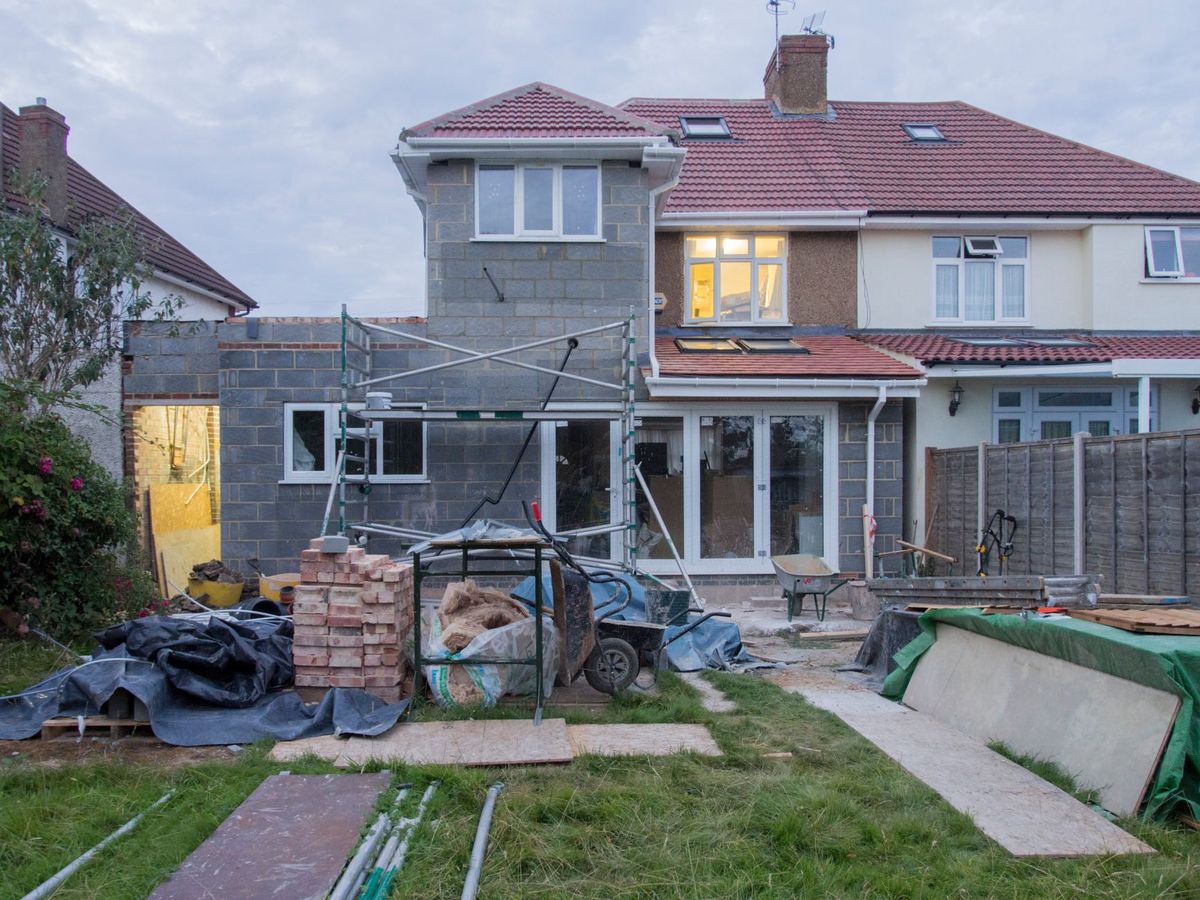
Room additions and structural modifications account for roughly $55 billion. This includes ADUs (covered in our separate analysis), basement finishes, attic conversions, and traditional room additions. The average addition costs $200 to $350 per square foot depending on complexity and market.
The remaining $79 billion covers everything from flooring and painting to landscaping, fencing, and miscellaneous improvements.
Pro tip: Track your local mix of renovation types, not the national numbers. In aging housing stock markets like the Northeast, systems upgrades and exterior work dominate. In markets with newer homes but appreciation-driven equity, kitchen and bath remodels lead. Your marketing should reflect what your specific market wants.
Who's Renovating and Why
The demographics of renovation spending have shifted in ways that matter for your marketing and sales approach:
Homeowners aged 55 to 74 account for the largest share of renovation spending — roughly 45% of the total. This group has the equity, the income, and the motivation. They're either upgrading for aging-in-place, investing in homes they plan to stay in, or preparing to sell and wanting maximum return. These clients tend to be decisive, well-researched, and willing to pay for quality, but they also have high expectations for communication and professionalism.
Homeowners aged 35 to 54 represent about 35% of spending. Many in this cohort bought homes during the pandemic boom at elevated prices and with limited options. Now they're renovating to make those homes fit their actual needs. Kitchen and bath remodels are the top priorities for this group, followed by basement finishes and outdoor living spaces.
Homeowners under 35 account for just 12% of renovation spending, but their project sizes are growing. Many younger homeowners bought fixer-uppers because that's what they could afford, and they're now investing in bringing those homes up to livable standards. Systems upgrades and basic cosmetic updates lead spending in this cohort.
The motivation split is also worth noting: about 40% of renovation spending is driven by "want to" upgrades (design updates, feature additions, lifestyle improvements), 35% by "need to" repairs and replacements (failed systems, weather damage, code compliance), and 25% by pre-sale preparation.
The Kitchen Deep Dive
Since kitchens represent the single largest discretionary renovation category, let me go deeper on what's happening in this space.
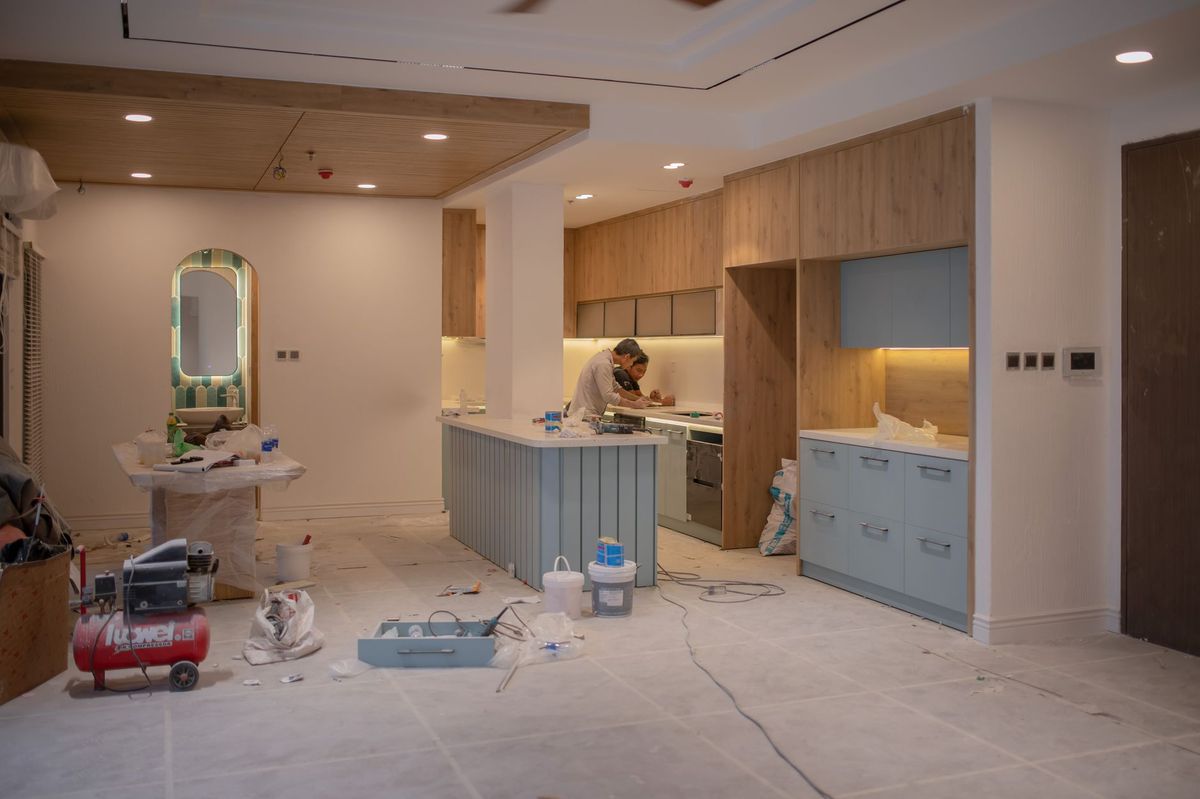
The trend I'm seeing across markets is what I call the "bifurcation of the kitchen market." On one end, you have the $35,000 to $50,000 cosmetic refresh — new cabinet doors (not full replacement), new countertops, updated backsplash, fresh paint, and maybe new appliances. These projects have short timelines (2 to 3 weeks), high volume potential, and decent margins if you have an efficient process.
On the other end, you have the $100,000-plus gut renovation — walls coming down, layout changes, new plumbing and electrical, custom cabinetry, high-end appliances, and designer finishes. These projects take 8 to 16 weeks, require more supervision, and carry more risk, but the absolute dollar margin is much higher.
The middle market — the $60,000 to $90,000 kitchen remodel — is actually shrinking. Homeowners are either opting for the cosmetic refresh (because they're budget-conscious or planning to sell in a few years) or going all-in on the gut renovation (because they've saved up and want their forever kitchen). If your business is positioned squarely in the middle, you might be feeling the squeeze.
Pro tip: Cabinet refacing and re-dooring has become a legitimate business line for renovation contractors. The material cost is typically 40% to 60% less than full replacement, the labor is faster and requires less skill, and the homeowner gets a kitchen that looks completely new. If you're not offering this option, you're losing bids to companies that do. I'd recommend checking out suppliers like Conestoga or Keystone for refacing stock — their quality is solid and the margins work.
Bathroom Trends Worth Knowing
The bathroom renovation market is being reshaped by two forces: aging-in-place demand and the design influence of social media platforms.
On the aging-in-place side, walk-in showers have essentially replaced tub-shower combos as the default configuration in primary bathrooms. Curbless shower entries, grab bars (now designed to look like designer towel bars rather than hospital equipment), comfort-height toilets, and wider doorways are all becoming standard requests rather than special accommodations.
The smart play for builders is to incorporate universal design elements into every bathroom renovation, even when the homeowner doesn't specifically ask for it. A blocking-reinforced wall costs $50 in materials and 30 minutes of labor during rough-in, but it allows grab bars to be installed later without tearing out tile. Clients who aren't thinking about accessibility today will thank you in 10 years — and they'll tell their friends.
On the design side, the trends move fast. Large-format tile, floating vanities, matte black and brushed gold fixtures, and frameless glass shower enclosures are all current favorites. The challenge for builders is managing client expectations when they bring in inspiration photos from luxury hotel bathrooms and expect them to be replicated at a modest budget.
Pricing and Margin Realities
Let's talk about the business side. Renovation work carries different margin expectations than new construction, and many builders who cross over get this wrong.
Target margins for kitchen and bath renovation work should be in the 35% to 45% gross margin range for mid-market projects and 25% to 35% for high-end work where material costs are a larger percentage of the total. If you're consistently below 30% gross margin on renovation work, you're underpricing, underestimating, or both.
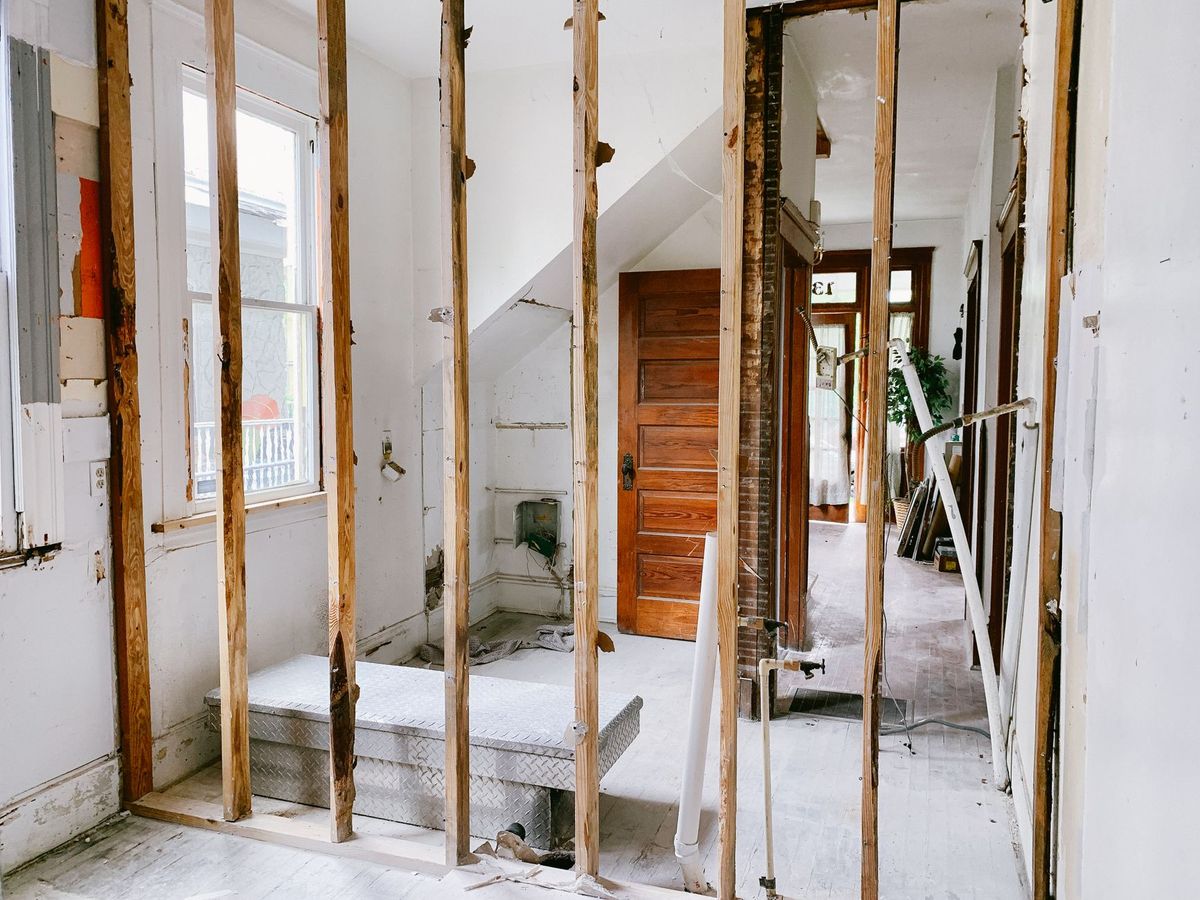
The cost estimation challenge in renovation is that surprises are the rule, not the exception. Every time you open a wall in an older home, there's a chance you'll find outdated wiring, water damage, inadequate framing, or materials that need to be removed for code compliance. Building a contingency into your pricing — typically 10% to 15% of the project cost — is essential. Communicate this clearly to the homeowner upfront, and document what triggers the contingency.
Pro tip: Use an allowance-based pricing structure for finishes that the homeowner selects (tile, fixtures, countertops, etc.) and a fixed price for your labor and standard materials. This way, you're not eating cost overruns when the homeowner upgrades from laminate to quartzite mid-project. Set the allowance at a realistic level for the quality tier you've discussed, and make it crystal clear that upgrades beyond the allowance are additional cost.
The Labor Challenge in Renovation
Renovation work requires a different skill set than new construction, and finding qualified tradespeople for renovation projects is even harder than for new builds. A framer who can build walls all day may struggle with the precision needed to integrate new work into an existing structure. A plumber who runs lines in open walls may not know how to reroute drain lines through finished spaces without tearing out half the house.
The builders succeeding in the renovation market are investing heavily in multi-skilled lead carpenters who can handle framing, finish carpentry, basic tile work, and project coordination. These are the hardest people to find and the most valuable people on your team. Pay them well, give them autonomy, and do whatever it takes to keep them.
For subcontractors, build relationships with trades who specialize in renovation work, not just new construction. A tile setter who's done 500 bathroom remodels will work twice as fast and produce better results than one who primarily works on new construction commercial projects. The specialization matters.
Marketing for the Renovation Market
The renovation customer finds you differently than the new construction customer. About 55% of renovation leads now originate from online searches, followed by referrals (25%), social media (12%), and other channels (8%).
Your online presence matters enormously. At minimum, you need a well-designed website with a portfolio of completed projects, a Google Business Profile with reviews and photos, and a presence on at least one visual platform like Instagram or Houzz. The homeowners spending $50,000-plus on a kitchen remodel are going to research you thoroughly before making contact, and what they find online will determine whether they call you or your competitor.
Reviews are currency. Every completed project should result in a request for a review, and your process should make it as easy as possible for satisfied clients to leave one. A builder with 50 five-star reviews on Google will generate more leads than one with better work but only five reviews.
Pro tip: Create a project completion gift basket — doesn't have to be expensive, $50 to $75 worth of items — and include a card with a QR code linking directly to your Google review page. Hand it to the homeowner on final walkthrough day. Your review rate will double compared to sending a follow-up email a week later. The timing matters — catch them when they're happiest.
Where the $427 Billion Goes Next
The renovation market is supported by structural factors that aren't going away. The median age of the US housing stock continues to increase (now over 40 years), which means more homes need systems replacements and structural updates. Homeowner equity remains high despite interest rate pressures, providing the financing foundation for renovation investment. And the trend toward remote and hybrid work has made the home environment more important to more people than at any time in history.
The Joint Center projects renovation spending will grow 3% to 5% annually through 2028 in inflation-adjusted terms. That means the market will continue to expand even as economic growth moderates. For builders, this represents a more stable demand base than new construction, which is far more cyclical.
My recommendation: if you're not already in the renovation market, now is the time to develop the capability. And if you are in the market, focus on efficiency, marketing, and talent development. The $427 billion pie is big enough for a lot of builders, but the ones who capture the most share will be the ones who run their renovation businesses with the same discipline and professionalism they bring to new construction.
The renovation boom isn't a boom at all — it's a permanent shift in how Americans invest in their homes. And for builders who get it right, it's the most stable revenue source in residential construction.
Frequently Asked Questions
How much does home renovation spending 2026 cost in 2026?
According to the latest industry data, home renovation spending 2026 is showing notable trends in 2026. Current figures indicate $427 billion, which represents a significant benchmark for contractors and developers planning projects this year. Regional variations apply, so checking local market conditions remains essential for accurate budgeting.
What states have the most home renovation spending 2026 activity?
The geographic landscape for home renovation spending 2026 is shifting in 2026. Data indicating $440 billion underscores the importance of market selection for contractors seeking growth. Western and southeastern states continue to attract disproportionate investment relative to their population share.
How does home renovation spending 2026 compare to last year?
Year-over-year comparisons for home renovation spending 2026 show meaningful change. The figure of $427 Billion from current data represents a shift that contractors need to account for in their planning and bidding strategies. Historical trend analysis suggests this trajectory may continue through the end of the year.