A room addition on a single-family home runs $185 per square foot nationally in 2026, with the real range sitting between $120 and $300 depending on addition type, how you tie into existing systems, and your region. I've done 47 additions since 2010 and I've watched this number move from $95/SF in 2015 to where we're sitting now. The jump is real — material costs up, labor markets tighter, and permit processes slower in most markets.
Here's what you need to know to bid an addition accurately or budget for one as a homeowner.
Room Addition Costs by Type
The cost-per-square-foot number changes dramatically based on the addition type. A simple single-story bump-out plays different from a second story, and a sunroom with triple-pane windows is a completely different cost structure.
Single-Story Room Addition
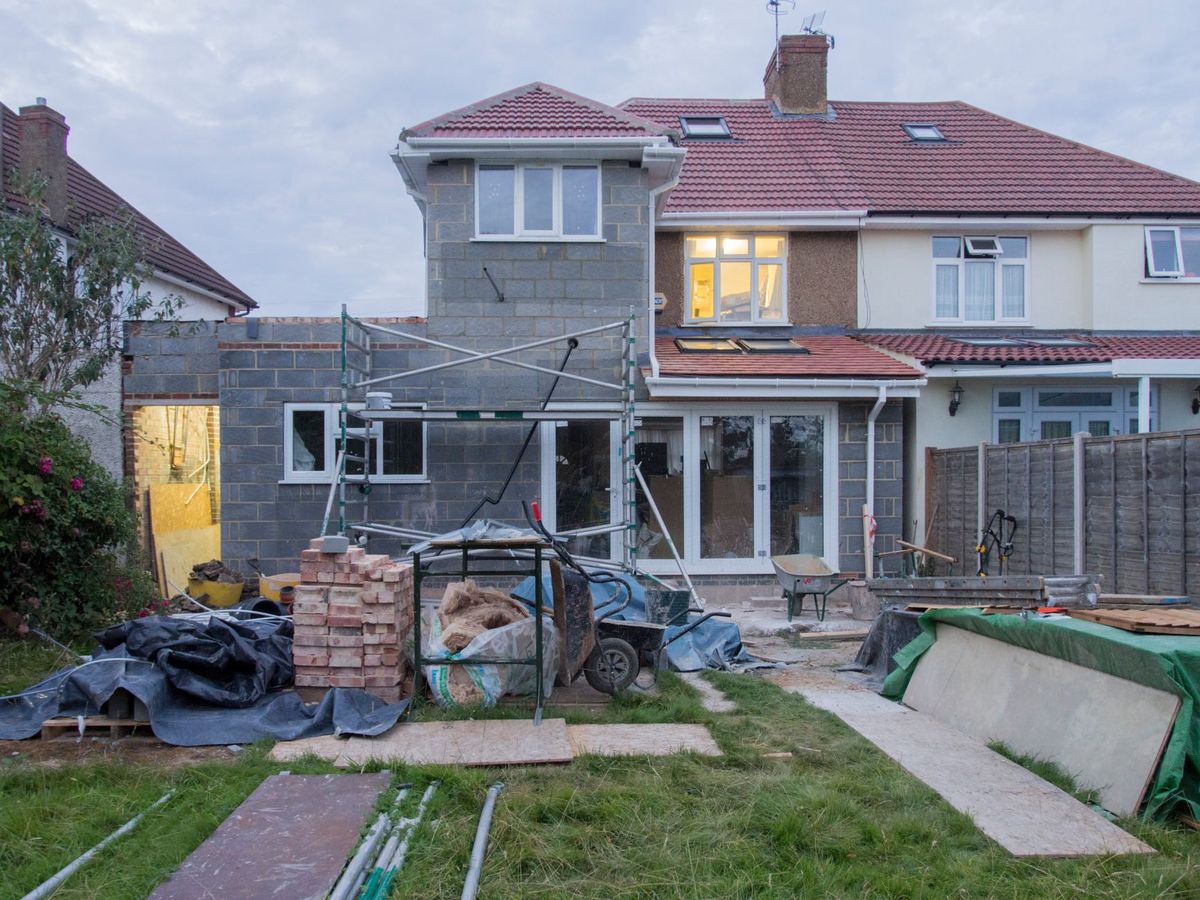
A basic single-story addition — bedroom, office, sitting room — runs $140 to $220 per square foot installed. The low end of that range happens in cost-competitive markets (Southeast, rural Midwest) with straightforward designs. The high end hits in West Coast markets, Northeast metros, and when you're matching high-end existing finishes.
A 16 x 20 single-story addition (320 SF) at $185/SF runs $59,200 in construction cost. The material and labor break down roughly as: 22% foundation and site work, 18% framing, 12% roofing, 11% exterior envelope (siding, windows, doors), 22% MEP (mechanical, electrical, plumbing), and 15% interior finishes and GC overhead.
Site conditions matter enormously here. A crawlspace foundation on level ground with existing utility access is a completely different job from a basement addition requiring structural footings, backfill, waterproofing, and new utility runs. Basement additions run 15 to 20% higher than crawlspace equivalents because you're managing below-grade conditions, and residential concrete foundation costs have risen 14% since 2025.
Second-Story Addition
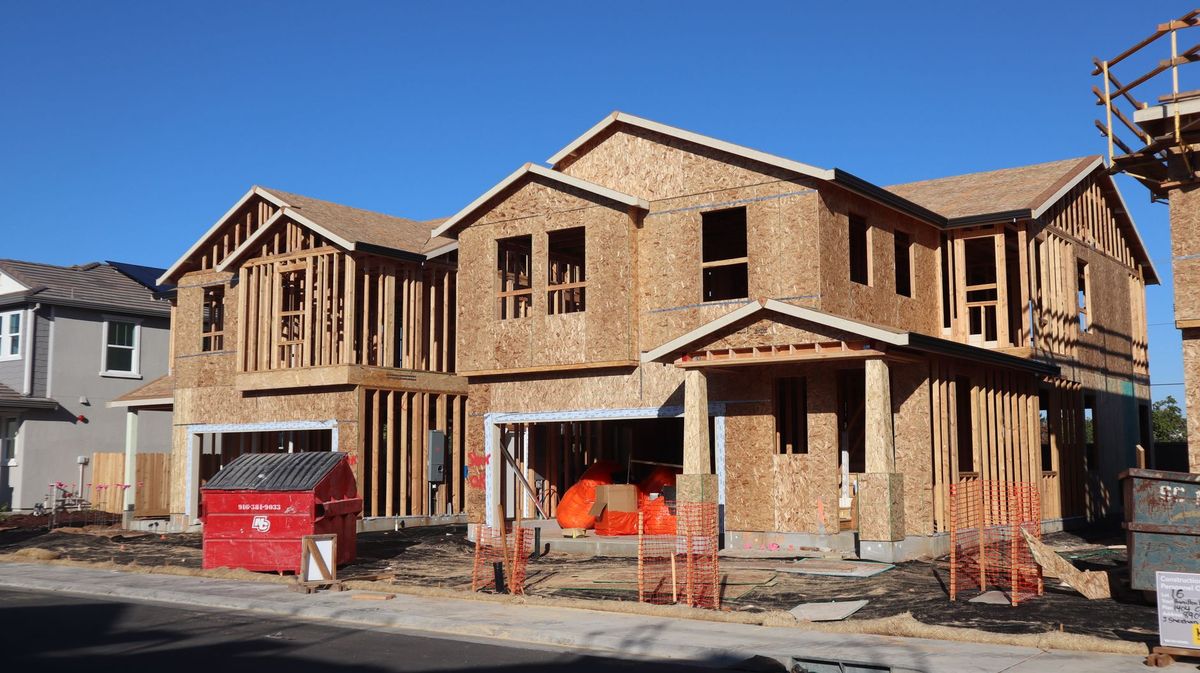
A second story is where additions get expensive — typically $200 to $280 per square foot. You're not just adding walls and a roof; you're engineering a structural system to carry live load, managing the transition between old and new framing, potentially upgrading the foundation to carry the new vertical load, and dealing with all the MEP complexity of running electrical, plumbing, and HVAC through an existing structure.
A 400 SF second-story addition on top of an existing single-story home runs $80,000 to $112,000 in hard construction costs. Add another 15 to 25% for soft costs — structural engineering, permits, inspections, possibly upgrading electrical service and HVAC capacity.
The hidden costs kill second-story additions. If the existing roof structure wasn't designed to carry lateral load from a second story, you're engineering and rebuilding that system. If you need to move existing plumbing vents or HVAC ducts to accommodate second-story ductwork, those are change order scenarios. Budget conservatively on second stories.
Sunroom or 3-Season Addition
A sunroom or insulated three-season porch with extensive glazing and climate control runs $200 to $300 per square foot. The glass and door systems are expensive — triple-pane insulated glass units at $30 to $50 per square foot of wall area drive the price. You also need a structural system that handles wind load on wall glass, foundation work for a heated space, electrical and mechanical extension, and proper waterproofing details where glass meets the existing structure.
A 12 x 16 sunroom (192 SF) at $250/SF runs $48,000. Material cost is front-loaded — about 50% of that budget is windows, doors, glass systems, and associated framing. The remaining 50% splits between foundation, HVAC extension, electrical, permits, and general conditions.
In-Law Suite or Accessory Dwelling Unit
A dedicated in-law suite or ADU (separate entrance, kitchenette, bathroom, sleeping area) typically runs 500 to 800 square feet and costs $160 to $240 per square foot. The per-square-foot cost is slightly lower than a basic room addition because you're buying volume efficiency — one addition instead of multiple smaller projects. However, the total project cost is higher because you're building a more complete space.
A 650 SF in-law suite at $200/SF runs $130,000. You're adding a separate HVAC zone with its own thermostat, potentially a secondary electrical panel, gas or electric heating separate from the main house, full kitchen and bathroom, and separate egress. The complexity is high but the per-unit cost is reasonable.
What Drives the Cost Per Square Foot
Five variables control the spread between $120/SF and $300/SF additions. Understand these and you can predict cost pretty accurately.
Roof tie-in cost. When you add a roof to an existing home, you're not just framing new rafters; you're creating a structural connection between old and new roof systems that handles wind uplift, water drainage, and thermal expansion cycles. The connection detail cost — flashing, structural fastening, waterproofing — adds $4 to $8 per square foot of addition. A complex tie-in with multiple valleys and slopes runs higher. Simple gable-end ties run lower.
MEP extension and upgrade. If you're adding one bathroom to an existing home, you're running plumbing, electrical, and HVAC through finished spaces and connecting to existing systems. That costs 20 to 25% of the addition budget on basic work. If the existing service is undersized and you need to upgrade the electrical panel, water heater, or HVAC equipment, you're adding another $5,000 to $15,000 in system upgrades.
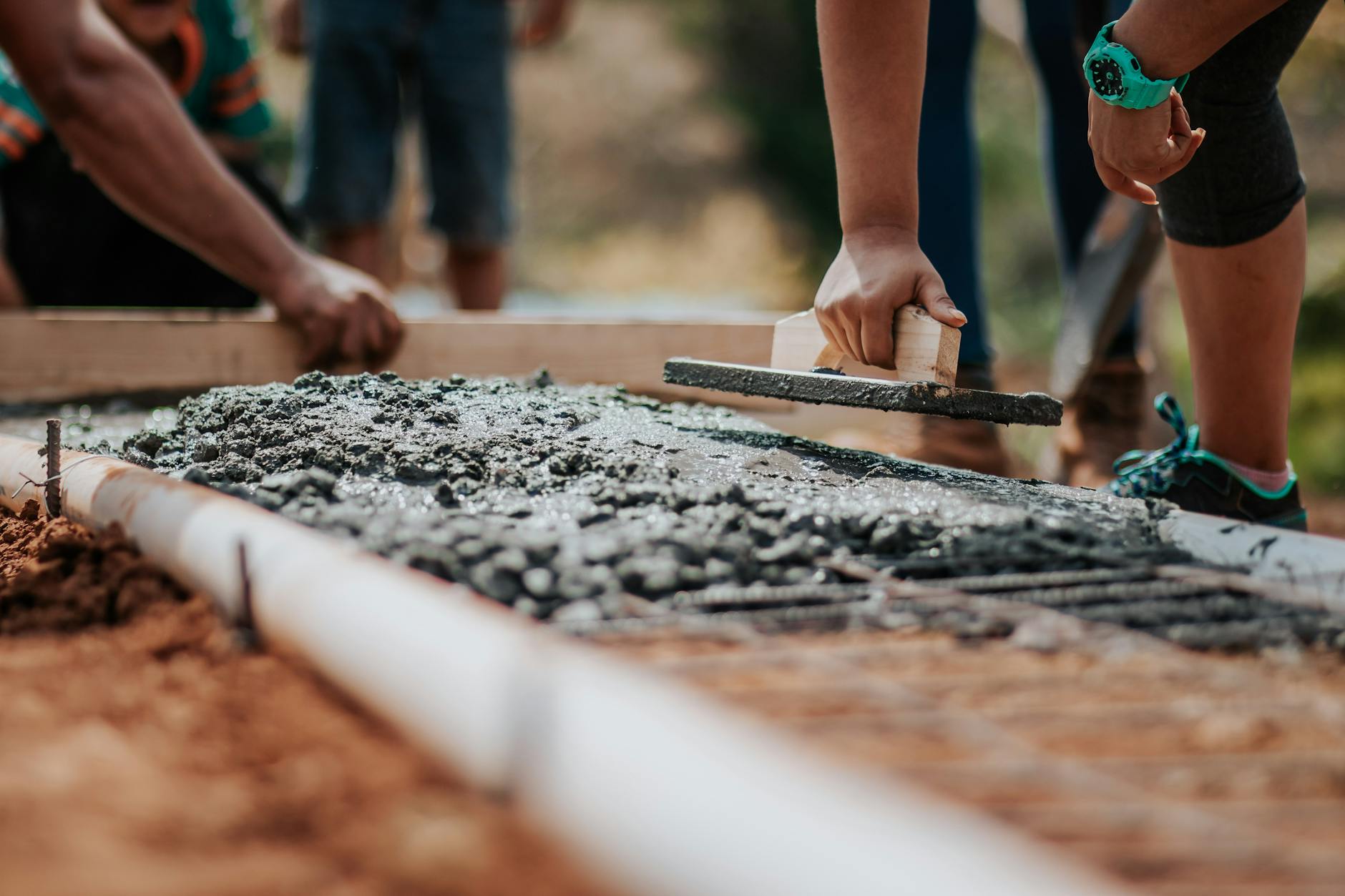
Foundation and site work. Foundation cost is driven by depth (frost line varies from 12 inches in Florida to 48 inches in Minnesota), soil conditions, and whether you're doing a slab, crawlspace, or basement. A typical residential footing runs 3 to 4 feet deep and costs $15 to $25 per linear foot in excavation, forming, reinforcement, and concrete placement. A 16 x 20 addition needs about 72 linear feet of new footing — call it $1,080 to $1,800 in foundation cost, or roughly $3.40 to $5.60 per square foot of addition.
Matching existing finishes. This is where homeowners get shocked. If you're adding a room to a 15-year-old house with siding, roofing, and interior finishes that have aged, the new materials won't match exactly. Siding manufacturers discontinue colors every 5 to 7 years. Roofing shingles fade over time. Interior paint and flooring look different on new material. The "blend cost" of matching existing finishes or doing partial replacements (extending siding, reroofing to blend the old, etc.) adds $8 to $15 per square foot on additions connected to existing structures.
Permit and structural engineering. In many states, additions over 200 square feet require a structural engineer and building permit. Engineering runs $2,000 to $5,000. Permits vary wildly — $500 in rural markets, $5,000+ in some California coastal cities. Inspections typically run 3 to 5 (foundation, framing, mechanical/electrical, final), each triggered on the contractor's schedule. Plan 8 to 12 weeks for permit approval plus construction timeline.
Regional Cost Variation
Additions cost differently depending on labor markets, material pricing, and building code requirements.
West Coast (CA, OR, WA): $240 to $340 per square foot. Seismic design requirements, Title 24 energy code complexity, and high prevailing wages for union trades drive costs to the top of the national range. Permit timelines run 12 to 16 weeks.
Northeast (NY, MA, NJ, CT): $220 to $300 per square foot. Union labor is standard in major metros, and wage rates for carpenters, electricians, and plumbers run $45 to $65 per hour including benefits. Winter construction restrictions compress the building season to 7 to 8 months.
Midwest (IL, OH, MI, WI, MN): $160 to $220 per square foot. Moderate wage rates and competitive subcontractor markets keep costs reasonable. Winter is a constraint — freeze-thaw cycles require frost line depth of 42 to 48 inches depending on latitude. Residential framing labor rates in this region hit $125/SF and competitive bidding keeps subcontractors sharp.
South and Southeast (TX, FL, GA, NC, SC): $140 to $200 per square foot. Lowest costs nationally. Fast-growing labor pools keep wages moderate. Hurricane or wind design requirements add 5 to 10% in some coastal markets.
Mountain West (CO, UT, AZ, NV): $170 to $240 per square foot. Varies by elevation and snow load. Denver and Salt Lake City markets have tightened labor availability in recent years, pushing costs up.
Addition ROI and Resale Value
Homeowners ask this constantly: what's my money back on an addition? The answer is: it depends on the addition type and your market.
According to Remodeling Magazine's 2025 Cost vs. Value Report, a mid-range bedroom addition recoups about 70% of cost at resale — you spend $60,000, resale value increases roughly $42,000. A kitchen addition recoups about 60%. A sunroom or three-season porch recoups 50 to 60%.
The math works backward: if you're adding an in-law suite for aging parent care and potential future rental income, your ROI calculation includes 10 to 20 years of housing cost savings or rental income, not just resale value. A $130,000 in-law suite that replaces $18,000 annual assisted living costs pays for itself in 7 to 8 years before you consider resale value.
Location matters. An addition in a market with tight housing inventory and high home prices (Boston, San Francisco, Seattle) recoups a higher percentage than an addition in an abundant inventory market. Specific addition type matters too — a fourth bedroom in a three-bedroom-heavy neighborhood recoups better than a sunroom that's amenity-level.
The Timeline: Permit to Completion
A typical single-story room addition takes 16 to 20 weeks from permit application to completion. That breaks down roughly as:
- Permit approval: 4 to 8 weeks (varies dramatically by jurisdiction)
- Foundation and site work: 2 to 3 weeks
- Framing and roof: 3 to 4 weeks
- Mechanical, electrical, plumbing (rough): 2 to 3 weeks
- Drywall, insulation, interior finishes: 4 to 6 weeks
- Final inspections, punch list, closeout: 1 to 2 weeks
Weather delays extend this timeline. Rain or freezing temperatures during foundation, framing, or roofing phases add 1 to 2 weeks. Labor availability can be the constraint — subcontractors might have a 4 to 6 week backlog during peak season (March to September in most markets).
Financing an Addition
Most homeowners finance additions through a home equity line of credit (HELOC), home equity loan, or refinance. Current rates (Q2 2026) on HELOCs run 7.5 to 8.5% depending on credit and LTV. A $60,000 addition financed via 15-year HELOC at 8% costs about $590 per month in debt service.
If the addition increases home value by $42,000 (70% ROI on a $60,000 spend), and the cost of financing is $590/month, the breakeven occurs if the home stays in the same owner's hands for about 8 to 10 years. If you're planning to sell within 5 years, the addition must have strong functional value (three bedrooms vs. two, for example) or the ROI math doesn't work.
Common Addition Mistakes
I've seen these cost overruns repeatedly:
Underestimating MEP costs. Homeowners assume plumbing and electrical are simple extensions. They're not. Running new circuits through existing walls, installing new breakers in a full panel, venting new plumbing fixtures all the way to existing stacks — these create hidden costs that don't show up in early estimates.
Not budgeting for code upgrades. When you tie into an existing electrical service, the inspection might require the entire panel to meet current code. Older homes might need grounding or bonding upgrades. HVAC extension might trigger a ductwork redesign on the entire system for proper sizing.
Permitting delays. Apps for addition permits often get held up for setback or coverage ratio compliance, wetlands review, or HOA approval. A 4-week permit estimate becomes 12 weeks and the project sits unpermitted. Budget time; budget contingency.
Foundation design mismatch. Not all foundations are created equal. Pouring a new footing without understanding the existing foundation system can create differential settlement, cracks, or failure. Hire a structural engineer — $2,000 to $4,000 investment prevents $20,000 mistake.
Your Action Item for This Week
Pull your home's original construction drawings (available from your county assessor online in most states). Identify the existing foundation type, roof framing system, and utility locations. If you're seriously considering an addition, send these to a local structural engineer for a preliminary review — usually a 30-minute consultation is free or $300 to $500. That conversation will tell you whether your addition is straightforward or hidden-cost-prone. Use the national benchmark of $185/SF to estimate cost, then adjust for your specific regional labor rates and site complexity. The upfront engineering clarity is worth more than the $500 it costs.
Before you commit to a budget, run your own numbers with our free construction cost estimator and check quantities with the markup margin calculator.
Frequently Asked Questions
What is the average cost per square foot for a room addition?
A room addition costs $185 per square foot on average nationally in 2026, with the range from $120 to $300 depending on addition type, region, and how you tie into existing systems. Single-story additions run lower; second-story additions run higher.
Do I need a permit for a room addition?
In most jurisdictions, any addition over 150 to 200 square feet requires a building permit. Permits require architectural or structural plans, typically an engineer review for structural tie-in, and municipal inspections at foundation, framing, and final. The permit cost runs $500 to $5,000 depending on jurisdiction.
What is the cheapest type of room addition?
A single-story bedroom or bonus room addition at the low end of regional pricing — Southeast or rural Midwest markets — can run as low as $120 to $140 per square foot. The trade-off is architectural simplicity (gable roof, simple rectangular footprint, basic finishes).
How long does a room addition take to build?
A typical single-story 320 SF room addition takes 16 to 20 weeks from permit application to completion. Permit approval alone runs 4 to 8 weeks depending on local jurisdiction. Construction takes 12 to 14 weeks, compressed during peak season or extended by weather delays.
What percentage of an addition cost is recovered at resale?
According to Remodeling Magazine, a mid-range bedroom addition recoups about 70% of cost at resale. A sunroom or three-season addition recoups 50 to 60%. The ROI is driven by the specific market, inventory levels, and the addition's functional value to future buyers.
Should I add a second story or build a single-story addition?
A second story costs 10 to 20% more per square foot ($200 to $280 vs. $140 to $220 for single-story), but buys significantly more usable square footage and typically provides better resale value in markets with limited lot sizes. The trade-off is construction complexity, structural engineering costs, and longer timeline. Second stories are driven by lot constraints, not necessarily superior economics.