The Backyard Gold Rush Has a Price Tag
Let me cut right to it. The average accessory dwelling unit in this country now costs $185,000 to build. That's the number from the latest NAHB construction cost survey, and if you're a builder thinking about jumping into the ADU game, you need to understand what's behind that figure before you quote your first project.
I've been in residential construction for over two decades, and I've never seen a single housing type generate this much noise. State legislatures are falling over themselves to pass ADU-friendly laws. Homeowners think they're sitting on a goldmine. And builders — well, builders are trying to figure out if there's actually money to be made here or if this is just another headache wrapped in a permit application.
Here's the deal: ADU construction is real, the demand is real, and the margins can be solid — but only if you understand the cost structure, the regulatory landscape, and the mistakes that eat your profit alive.
What's Driving the $185K Average
That $185,000 figure is a national average, which means it's basically useless for any specific market. In Los Angeles, you're looking at $250,000 to $350,000 for a detached ADU. In parts of Texas, you can deliver a quality unit for $120,000. The spread is enormous, and it comes down to three factors: labor market conditions, local permitting costs, and site-specific challenges.
Labor is the biggest variable. In markets where residential framers are pulling $14 per square foot, your labor costs on a 600-square-foot ADU can hit $40,000 just for the shell. Add in plumbing, electrical, HVAC, and finish work, and you're looking at $65,000 to $80,000 in total labor. In lower-cost markets, that same scope might run $45,000 to $55,000.
Materials have stabilized somewhat from the pandemic-era insanity, but they're still elevated. A typical detached ADU requires roughly $50,000 to $70,000 in materials, depending on finish level and whether you're running a separate utility service or tying into the main house.
Pro tip: Always run a separate electrical panel for the ADU, even if code doesn't require it. It costs about $2,500 more upfront but saves you massive headaches with metering, resale, and future tenant turnover. Trust me on this one.
Permitting and fees are the silent killer. In some California jurisdictions, impact fees alone can add $20,000 to $30,000 to your project cost. System development charges, school fees, park fees — they add up fast. Other states have started capping or eliminating these fees to encourage ADU construction, which is one reason the cost spread is so wide.
The Regulatory Landscape in 2026
Fourteen states now have some form of ADU-enabling legislation on the books. California led the charge with AB 68 and subsequent bills that essentially stripped local governments of the ability to block ADUs in residential zones. Oregon, Washington, Vermont, and Montana followed with their own versions.
The trend in 2026 is toward preemption — state governments telling cities they can't impose restrictions that effectively prohibit ADUs. Minimum lot sizes, owner-occupancy requirements, parking mandates — these are all falling away in state after state.
But here's what most builders miss: just because the state says you can build an ADU doesn't mean the local building department makes it easy. I've seen permit timelines range from three weeks in progressive jurisdictions to eight months in places that technically allow ADUs but staff their planning department with two people who are also responsible for commercial permits.
The builders making money in this space have figured out how to navigate the permitting process efficiently. That usually means having pre-approved plan sets, established relationships with plan reviewers, and a deep understanding of local amendments to the IRC.
Breaking Down the Cost by ADU Type
Not all ADUs are created equal, and the cost variation by type is significant:
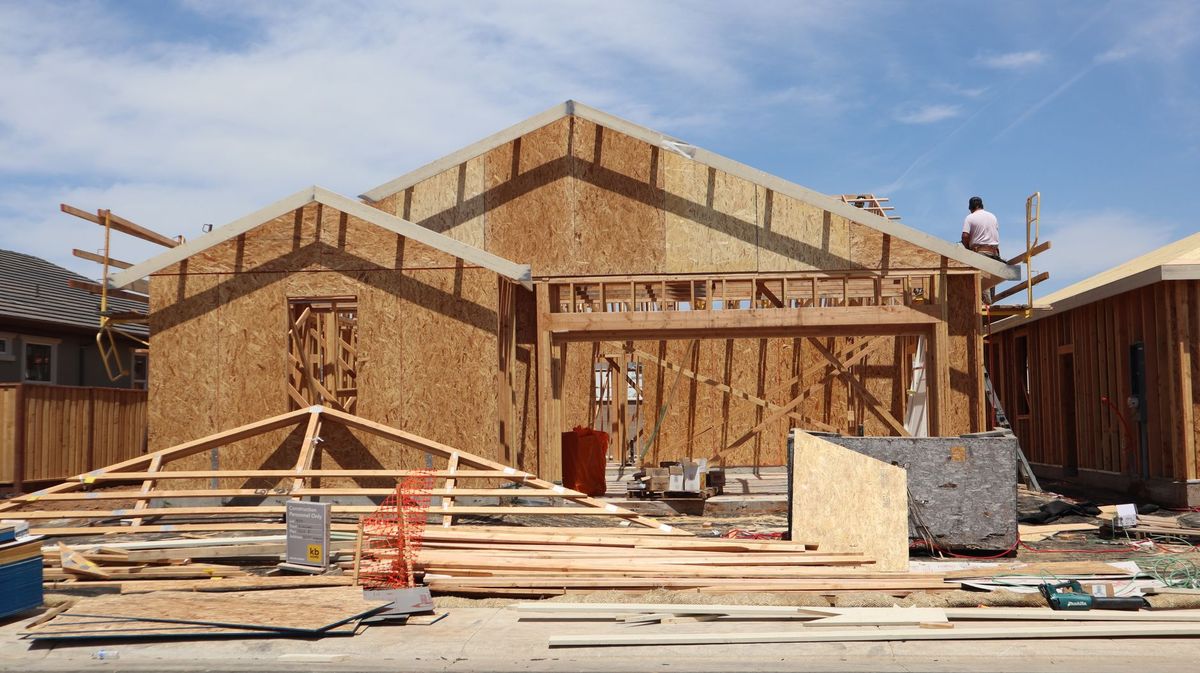
Detached new construction is the most common type and typically the most expensive, ranging from $150,000 to $300,000 depending on size and market. You're essentially building a small house from scratch — foundation, framing, roofing, full mechanical systems, the works. The advantage is design flexibility and the ability to optimize for rental income.
Garage conversions are the budget option, averaging $45,000 to $90,000. You've already got the shell, the roof, and usually a slab. The challenge is bringing the structure up to habitable standards — insulation, egress windows, ceiling height requirements, and running plumbing where it didn't exist before. More on this in our garage conversion deep-dive article.
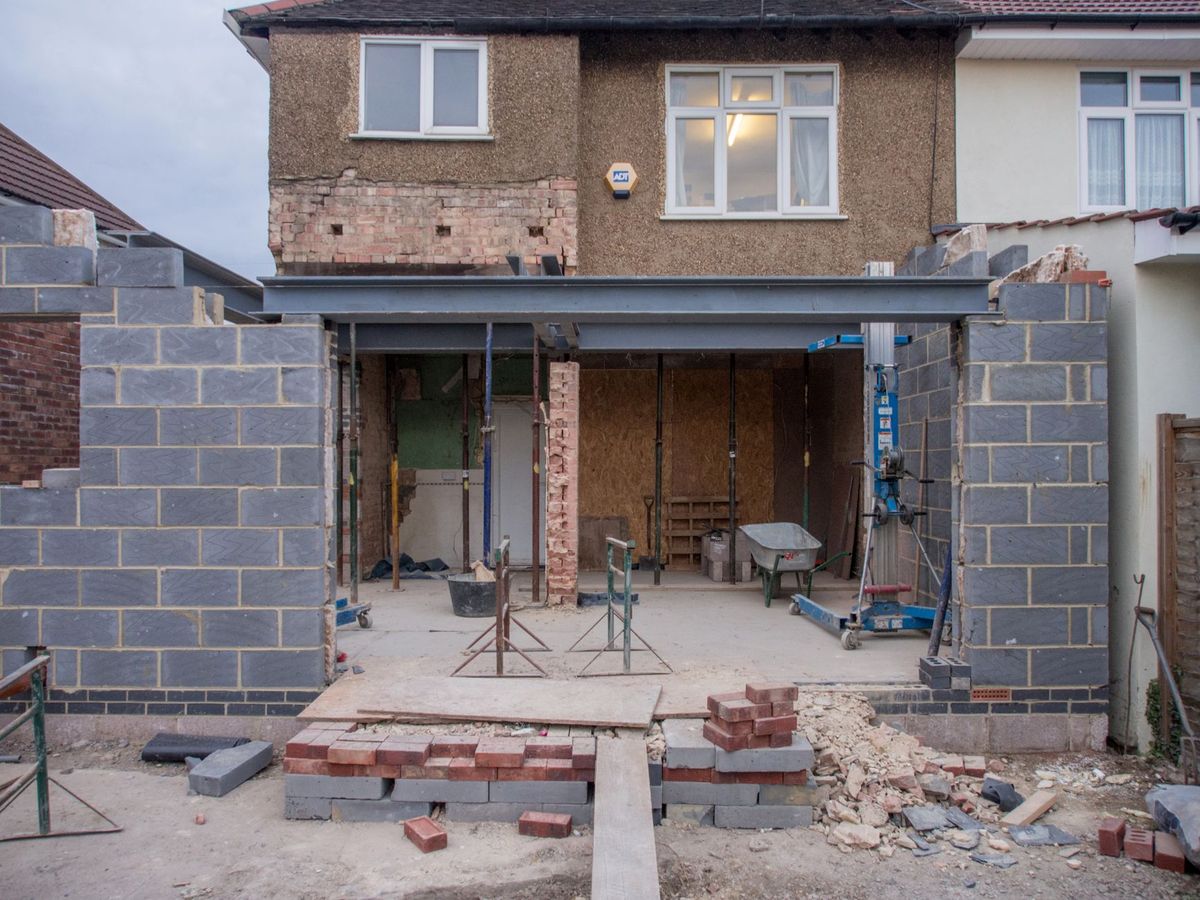
Attached additions split the difference, typically running $125,000 to $200,000. You save on some foundation and utility costs by tying into the main structure, but you add complexity with fire separation requirements and the need to maintain the existing home's structural integrity during construction.
Above-garage units are a niche play that can work well in markets with high land costs. Budget $140,000 to $225,000, with the added structural cost of beefing up the garage to handle the load. These require careful engineering and usually trigger a more involved permitting process.
Pro tip: If you're doing garage conversions, invest in a thermal imaging camera. I picked up a FLIR ONE for about $300, and it's saved me from bidding jobs where the garage had hidden moisture issues that would have destroyed my margin. Five minutes of scanning can save you $15,000 in surprise remediation.
The Revenue Side: What Homeowners Actually Earn
The pitch to homeowners is rental income, and in many markets, the numbers do work. A 600-square-foot, one-bedroom ADU in a decent metro area can pull $1,200 to $2,200 per month in rent. In high-cost markets like the Bay Area or Seattle, you're looking at $2,000 to $3,500.
At the national average construction cost of $185,000, a homeowner needs about $1,500 per month in net rent to hit a 10-year payback — which is achievable in most metro areas but sketchy in rural markets.
The problem is that homeowners often underestimate ongoing costs. Property management (if they're not self-managing), maintenance, vacancy, insurance, and the tax implications of rental income all eat into that return. As a builder, you need to be honest with your clients about this. The ones who go in with realistic expectations become your best referral sources. The ones who think they're going to get rich quick become your worst headaches.
Where Builders Are Making Money
The builders consistently profiting in ADU construction have a few things in common:
They productize the offering. Instead of treating every ADU as a custom project, they develop three to five standard floor plans with defined option packages. This lets them buy materials in bulk, train crews on repeatable processes, and quote jobs accurately. Custom ADUs are margin killers unless you're charging a significant premium.
They control the permitting process. The best ADU builders have a dedicated person — or at least a dedicated process — for navigating permits. They know which jurisdictions are fast and which are slow. They pre-submit for plan review before the client even signs the contract. Time is money, and a six-month permit delay can turn a profitable project into a loss.
They bundle services. The most profitable ADU builders I know offer design, permitting, construction, and sometimes even property management referrals as a package. The more of the process you control, the more margin you capture and the fewer surprises you encounter.
They target the right markets. Not every neighborhood supports ADU construction. Builders who focus on areas with strong rental demand, favorable zoning, and homeowners with adequate equity tend to maintain higher close rates and better margins.
Pro tip: Create a one-page "ADU feasibility checklist" for your sales process. Include lot size, zoning, setback requirements, utility capacity, and access considerations. It takes 15 minutes to fill out on a site visit and immediately tells you if the project is viable. It also makes you look like a pro, which helps justify your pricing.
The Prefab and Modular ADU Challenge
Factory-built ADUs are getting a lot of press, and they deserve attention. Companies are now offering complete ADU packages — delivered on a truck, set by crane, connected to utilities — for $100,000 to $175,000 installed. That's competitive with site-built costs in many markets.
But here's what the marketing materials don't tell you: site preparation, foundation work, utility connections, and permitting still add $30,000 to $60,000 on top of the factory price. And in many jurisdictions, modular ADUs face the same permitting timelines as site-built units.
The quality has improved dramatically. Modern modular ADUs are well-insulated, architecturally attractive, and built to the same codes as site-built homes. The speed advantage is real — once the unit is delivered, you can go from crane set to occupancy in two to four weeks, compared to three to six months for site-built.
For traditional builders, the question is whether to compete with modular or incorporate it into your offering. Some builders are becoming installation partners for modular ADU manufacturers, handling the site work and permitting while the factory handles the structure. It's a different business model, but the margins can work.
Financing: The Piece Most Builders Ignore
Here's something that will directly affect your close rate: most homeowners don't have $185,000 in cash sitting around. ADU financing has improved significantly, but it's still more complicated than a standard home improvement loan.
The main options in 2026 include home equity loans and HELOCs (most common, but require significant equity), renovation loans like the FHA 203(k) or Fannie Mae HomeStyle (work for ADUs in some cases but involve more paperwork), construction-to-permanent loans specifically designed for ADUs (a growing product category), and specialty ADU lenders who've built streamlined products for this market.
As a builder, you should have relationships with at least two or three lenders who understand ADU financing. When a homeowner calls you for a quote and says "I'm not sure how I'd pay for it," your ability to connect them with financing can be the difference between landing the job and losing it.
Common Mistakes That Kill ADU Profit
After watching dozens of builders enter and exit the ADU market, I've seen the same mistakes over and over:
Underestimating utility costs. Running a new sewer lateral can cost $8,000 to $15,000. A new water service can add $5,000 to $10,000. If you don't account for these in your bid, they come straight out of your margin.
Ignoring access logistics. A detached ADU in the back corner of a lot sounds great until you realize the only access is through a 30-inch gate. Crane fees, small equipment premiums, and manual material handling can add 15% to 20% to your construction costs. Always visit the site and assess access before you quote.
Skipping the soil report. I know, it's a $1,500 expense that homeowners don't want to pay for. But building on expansive clay without knowing it can turn your $12,000 foundation bid into a $25,000 nightmare. Get the soils report. Always.
Over-finishing. This is the most common margin killer I see. Homeowners want quartz countertops, custom tile, and designer fixtures in a rental unit. As a builder, it's your job to guide them toward finishes that are durable, attractive, and appropriate for the use case. A $3,500 tile shower looks great, but a $1,200 fiberglass surround is easier to maintain and generates the same rent.
Pro tip: Build a "good-better-best" finish package for your ADU projects. Pin the "good" option to finishes that maximize durability and rental appeal. Most clients will upgrade to "better," which is where your sweet spot should be. "Best" is there for the clients who want it and are willing to pay — but make sure your margin on the upgrades is at least 35%.
The Market Outlook for ADU Construction
The ADU market is going to keep growing. Housing affordability isn't improving, regulatory barriers continue to fall, and the demographic tailwind of aging parents and adult children needing affordable housing options isn't going away.
The National Association of Home Builders projects ADU construction starts will increase by 15% to 20% annually through 2028. That's significant growth, and it means opportunity — but also competition. The builders who win in this market will be the ones who treat ADU construction as a serious business line, not a side hustle.
My advice? If you're going to do ADUs, commit to it. Develop your plans, build your permitting expertise, establish your supply chain, and market specifically to ADU buyers. The $185,000 average cost is just a number — what matters is your ability to deliver quality, on budget, and on time.
Because at the end of the day, that's what separates the builders who make money from the ones who lose their shirts. And in the ADU market, the margin for error is smaller than a studio apartment's closet.
Final Thoughts for Builders Considering ADUs
The backyard boom is real, but it's not for everyone. If you're a builder who thrives on custom homes with big budgets and flexible timelines, ADU construction might drive you crazy. The budgets are tight, the clients are often first-time construction buyers who need a lot of hand-holding, and the margins require efficiency and volume.
But if you're the kind of builder who can systematize your process, control your costs, and deliver a consistent product — there's real money here. A builder doing 10 to 15 ADUs a year at solid margins is running a healthy business with predictable revenue.
The $185,000 average cost isn't going down. Labor costs are rising, material costs are sticky, and permitting costs in many markets are only going up. That means the revenue opportunity for builders is growing, too — as long as you price correctly and execute efficiently.
So is the backyard boom worth it? For the right builder, absolutely. Just make sure you go in with your eyes open, your numbers dialed, and your processes tight. This isn't a market that forgives sloppy bidding or wishful thinking.
Related Reading
To put these numbers to work on your next bid, start with our free construction cost estimator and the markup margin calculator.
Frequently Asked Questions
How much does adu construction costs 2026 cost in 2026?
Industry analysts tracking adu construction costs 2026 report that 2026 has brought measurable shifts. With data showing $185,000, the trend line suggests continued movement through the remainder of the year. Builders should factor this into both current bids and forward-looking project estimates.
What states have the most adu construction costs 2026 activity?
The geographic landscape for adu construction costs 2026 is shifting in 2026. Data indicating $185K underscores the importance of market selection for contractors seeking growth. Western and southeastern states continue to attract disproportionate investment relative to their population share.
How does adu construction costs 2026 compare to last year?
Year-over-year comparisons for adu construction costs 2026 show meaningful change. The figure of $250,000 from current data represents a shift that contractors need to account for in their planning and bidding strategies. Historical trend analysis suggests this trajectory may continue through the end of the year.