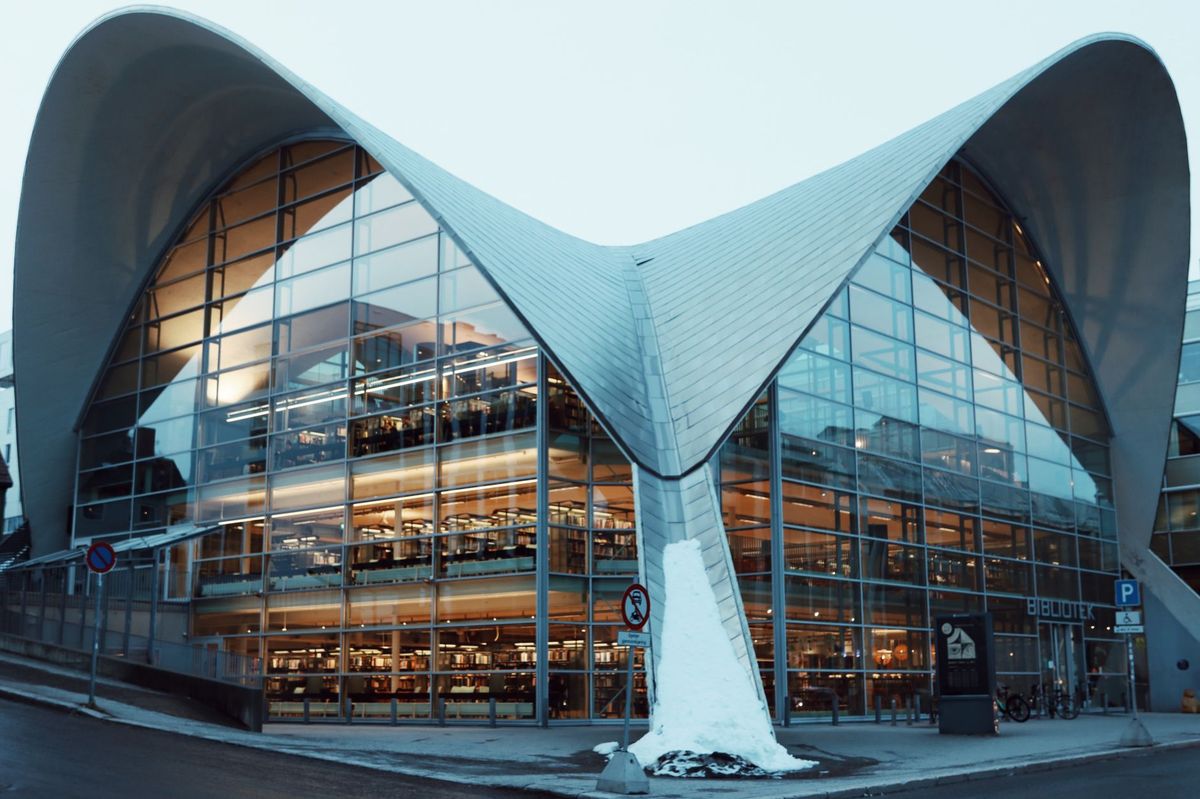
The math: public library construction and modernization has reached $4.2 billion in active projects across the United States, reflecting a fundamental reimagining of what libraries are and how they serve communities. The modern public library isn't just a building that stores books — it's a community hub integrating maker spaces, digital media labs, coworking areas, early childhood learning centers, and social services, requiring construction approaches more similar to technology centers and community colleges than traditional library buildings.
Bottom line: despite predictions that digital media would make libraries obsolete, construction spending on new and renovated library facilities has increased 28% since 2021, driven by communities recognizing libraries as essential civic infrastructure — particularly in underserved neighborhoods where the library may be the only public facility offering free internet access, meeting space, and educational programming.
What's Being Built: The Modern Library
Library construction has evolved dramatically from the traditional model of stacks-and-study-rooms. Current library construction programs fall into three categories:
New Construction ($2.4 billion active). Approximately 120 new library buildings are under construction or in final design, ranging from 5,000 SF neighborhood branches ($3 to $6 million) to 100,000+ SF central libraries ($80 to $200 million). New library construction costs average $450 to $650 per SF depending on location and level of finish, comparable to higher-education academic buildings.
Major new library projects currently under construction include the Brooklyn Public Library's new Central Library renovation and expansion in Brooklyn, NY at $350 million, the Austin Central Library expansion in Austin, TX at $180 million, the Denver Public Library system-wide new branch construction program at $380 million (10 new branches), and the San Francisco Public Library Chinatown branch replacement at $65 million.
Major Renovation ($1.2 billion active). Renovation of existing library buildings to incorporate modern technology, accessibility improvements, and programmatic changes is the fastest-growing category. Library renovation costs average $250 to $450 per SF, reflecting the added complexity of working within existing structures while maintaining library operations. Renovation scope typically includes complete mechanical, electrical, and plumbing (MEP) system replacement, structural modifications to accommodate new uses (maker spaces require heavier floor loads, media labs require enhanced acoustic isolation), technology infrastructure (fiber optic backbone, WiFi throughout, interactive displays, charging stations at every seat), ADA accessibility upgrades (elevators, accessible restrooms, automatic door operators, assistive technology), and energy efficiency improvements (LED lighting, high-performance HVAC, building envelope upgrades).
Branch Expansion and Addition ($600 million active). Library systems in growing communities are constructing new branch libraries to serve underserved areas. Branch library construction is typically the most cost-effective category, with standardized designs adapted to local sites reducing design costs and construction timelines.
Technology Integration: The Construction Impact
Modern library construction devotes 12 to 18% of total project cost to technology systems — 3x to 4x the technology allocation in traditional library construction. Key technology construction elements include structured cabling infrastructure with Category 6A or fiber to every workspace, high-density WiFi (access points at 2,000 to 3,000 SF intervals rather than the 5,000 to 8,000 SF typical of offices), interactive digital displays and media walls (75 to 98-inch commercial displays mounted on custom steel armatures), maker space infrastructure including dedicated electrical circuits for 3D printers, laser cutters, CNC routers, and sewing machines, recording studios and podcast rooms requiring professional acoustic treatment (STC 55+ partitions, isolated floating floors), computer labs with raised-access flooring or floor-box power and data distribution, self-checkout systems with RFID book detection requiring embedded antenna loops at checkout stations, and automated materials handling systems (conveyor-based book sorting and return systems) costing $500,000 to $2 million per installation.
Business tip: Contractors should partner with technology system integrators early in the library design-build process. Library technology scope is often underestimated in initial budgets, and late-stage technology additions create change orders that damage contractor-client relationships. Including a technology integration partner in the proposal team demonstrates understanding of modern library construction requirements.
Community Hub Design Elements
The transformation of libraries into community hubs drives construction scope beyond traditional library boundaries:
Early Childhood Learning Centers with age-appropriate environments including soft flooring (rubber or cork), child-height furnishings, sensory play areas, and family restrooms with changing stations. These spaces require specialized HVAC zoning (separate temperature control from adult areas), acoustic separation, and finishes rated for frequent cleaning and sanitization. Construction cost premium: $50 to $100/SF above standard library space.
Social Services Integration. Many new libraries include dedicated spaces for social workers, legal aid clinics, health screening rooms, and workforce development offices. These spaces require private meeting rooms with acoustic privacy (STC 50+), ADA-compliant exam/consultation rooms, separate HVAC zones, and secure filing and data infrastructure. Several library systems — including San Francisco, Denver, and Dallas — now employ social workers in their branches, requiring appropriate construction.
Commercial Kitchen/Café Spaces. Library cafés and community kitchen spaces require commercial kitchen construction including Type I and Type II exhaust hoods, grease interceptors, commercial plumbing, food-grade wall and floor finishes, and health department-compliant layouts. Kitchen/café construction adds $200,000 to $500,000 to library projects.
Outdoor Spaces. Modern libraries increasingly incorporate outdoor reading gardens, amphitheaters, play areas, and rooftop terraces. These outdoor spaces require landscape construction, site lighting, power and data infrastructure for outdoor programming, and weather-resistant materials and furnishings.
Funding Sources
Library construction is funded through local bond measures and dedicated tax levies (the primary source), state library construction grant programs (available in approximately 20 states), federal grants including IMLS (Institute of Museum and Library Services), CDBG, and EDA programs, private philanthropy and capital campaigns (particularly for signature central library projects), and tax increment financing for libraries in designated redevelopment areas.
Business tip: Library bond measures have a historically high passage rate — approximately 72% of library bond measures pass on the first ballot, higher than almost any other category of public construction bond. This makes the library construction pipeline one of the more predictable segments of the municipal construction market.
Contractor Landscape
Library construction is performed by general contractors with public building and institutional experience. The project sizes — typically $5 million to $50 million for branch libraries, $50 million to $200 million for central libraries — are well-suited for mid-size regional contractors. Key contractor capabilities include public procurement compliance and bonding, occupied building renovation experience (for library renovation projects that maintain partial operations during construction), technology infrastructure installation or coordination with technology subcontractors, and sustainable construction certification (LEED, Living Building Challenge) increasingly required for publicly funded library projects.
The library construction market employs an estimated 15,000 to 20,000 construction workers nationally across all active projects. The work spans all major building trades with particular demand for electricians (technology infrastructure), mechanical contractors (complex HVAC zoning), and specialty contractors for acoustic treatment, AV systems, and automated materials handling.
Bottom line: library construction is a growing, well-funded, and technically interesting segment of the public building market. The transformation from book repositories to community technology hubs has increased construction complexity and budgets, creating opportunities for contractors who understand both traditional building construction and modern technology integration.
Sustainability in Library Construction
Libraries are among the most commonly LEED-certified building types in the public sector, reflecting both environmental values and the practical benefits of energy-efficient design for buildings that operate 60 to 70 hours per week. Key sustainable library construction features include high-performance building envelopes designed to minimize heating and cooling loads while maximizing natural daylighting (a critical design consideration for reading spaces), geothermal heating and cooling systems that leverage the consistent underground temperature for energy-efficient HVAC (particularly cost-effective for libraries because the consistent occupancy and operating schedule allows precise geothermal system sizing), solar photovoltaic arrays — many libraries serve as community examples of renewable energy, with rooftop or parking canopy solar installations visible to the public, rainwater harvesting and greywater recycling for landscape irrigation and toilet flushing, and natural ventilation strategies using operable windows and stack ventilation where climate permits.
The Austin Central Library, completed in 2017 at a cost of $125 million, achieved LEED Platinum certification with features including a 385kW rooftop solar array, rainwater collection system, radiant heating and cooling, and a high-performance curtain wall system that provides 95% natural daylight to occupied spaces while controlling solar heat gain through exterior louvers and fritted glass.
The Branch Library Model
Branch libraries — typically 5,000 to 25,000 SF facilities serving specific neighborhoods — represent the most common and accessible library construction project type. Branch library construction offers several advantages for contractors:
Manageable Project Size. Branch libraries typically cost $3 to $15 million, a size that allows mid-size general contractors to serve as prime contractors without the bonding capacity and staffing requirements of larger institutional projects. Most branch library construction can be completed in 12 to 18 months, providing relatively quick project turnover.
Standardized Design. Many library systems develop standardized branch library designs that can be adapted to different sites, reducing design costs and construction risks. The Denver Public Library system, for example, uses a standardized 15,000 SF branch design that has been constructed at 6 different locations with site-specific modifications, achieving construction cost savings of 8 to 12% compared to custom-designed branches.
Community Engagement. Branch library construction generates strong community support and positive visibility for the contractor. Unlike some public construction projects that face opposition (jails, highways, utilities), library construction is almost universally welcomed by surrounding neighborhoods. This positive community dynamic creates a constructive project environment that reduces neighborhood construction disputes and supports reasonable schedule accommodations.
Adaptive Reuse: Libraries in Existing Buildings
A growing trend in library construction involves adaptive reuse of existing commercial buildings — converting vacant retail stores, bank buildings, warehouse spaces, or other commercial properties into library facilities. Adaptive reuse library projects offer several advantages including lower construction costs (typically 20 to 35% less than new construction for comparable program), faster occupancy (12 to 18 months versus 18 to 30 months for new construction), preservation of existing community character and street presence, and avoidance of the community opposition that sometimes accompanies new institutional building construction in established neighborhoods.
Adaptive reuse library construction requires specialized contractor capabilities including structural assessment and modification of existing buildings, asbestos and lead paint remediation in older commercial buildings, creative MEP solutions within existing structural and spatial constraints, and historic preservation compliance for buildings in historic districts.
Automated Materials Handling
Automated materials handling (AMH) systems — mechanized book sorting, return, and distribution systems — represent one of the most specialized construction elements in modern library projects. AMH systems use conveyor belts, diverters, and RFID sensors to automatically sort returned library materials into bins organized by shelving location, check in returned items to the library's circulation system without staff intervention, and transport materials from returns to sorting and from sorting to re-shelving staging areas.
AMH system construction involves dedicated mechanical rooms for sorting equipment (1,000 to 3,000 SF), conveyor pathways through or between building floors (requiring structural openings and fire-rated enclosures), exterior book return chutes connecting outdoor return slots to the indoor sorting system, and integration with the library's integrated library system (ILS) through RFID technology.
AMH systems cost $500,000 to $2 million per installation depending on the number of sorting bins (typically 20 to 50), conveyor length, and whether the system handles single-floor or multi-floor sorting. The construction coordination is significant — AMH vendors (companies like Lyngsoe Systems, Tech Logic, and Bibliotheca) provide proprietary equipment that must be integrated into the building's structural, MEP, and technology systems during construction rather than installed as a post-construction add-on.
Children's and Teen Spaces
Children's and teen library spaces have evolved into highly specialized environments that require construction approaches different from adult library areas.
Children's Areas incorporate interactive floor displays and projection systems, custom millwork at child-appropriate heights (30 to 36 inches rather than standard 42-inch counter height), soft flooring (rubber, cork, or specialized carpet tiles rated for heavy use and easy cleaning), themed architectural elements (reading nooks, treehouse structures, ship-shaped reading rooms) requiring custom steel and wood fabrication, and enhanced ventilation and air filtration reflecting the higher activity levels and immune system vulnerability of young children.
Teen Spaces function as social gathering, study, and creative production areas requiring different construction features including gaming stations with enhanced electrical and data infrastructure, recording booths and music production rooms with professional acoustic treatment, collaborative work areas with movable furniture and writable wall surfaces, and enhanced acoustic separation from quieter adult areas.
These specialized spaces add $50 to $150 per SF above standard library construction costs but are increasingly central to libraries' community mission and directly influence voter support for library bond measures.
Frequently Asked Questions
How are library construction spending projects funded?
According to the latest industry data, library construction spending is showing notable trends in 2026. Current figures indicate $4.2 billion, which represents a significant benchmark for contractors and developers planning projects this year. Regional variations apply, so checking local market conditions remains essential for accurate budgeting.
What is the average cost of library construction spending?
Regional analysis of library construction spending reveals uneven distribution across U.S. markets. The data point of 28% highlights the scale of activity, with Sun Belt and high-growth metro areas generally leading in volume. Contractors expanding into new territories should evaluate local demand indicators before committing resources.
Which states are investing the most in library construction spending?
Compared to prior periods, library construction spending has moved significantly. Current data showing $2.4 billion indicates the direction of the market, and contractors who adjust their strategies accordingly will be better positioned for profitability. Monitoring monthly updates from BLS and Census Bureau data releases is recommended.