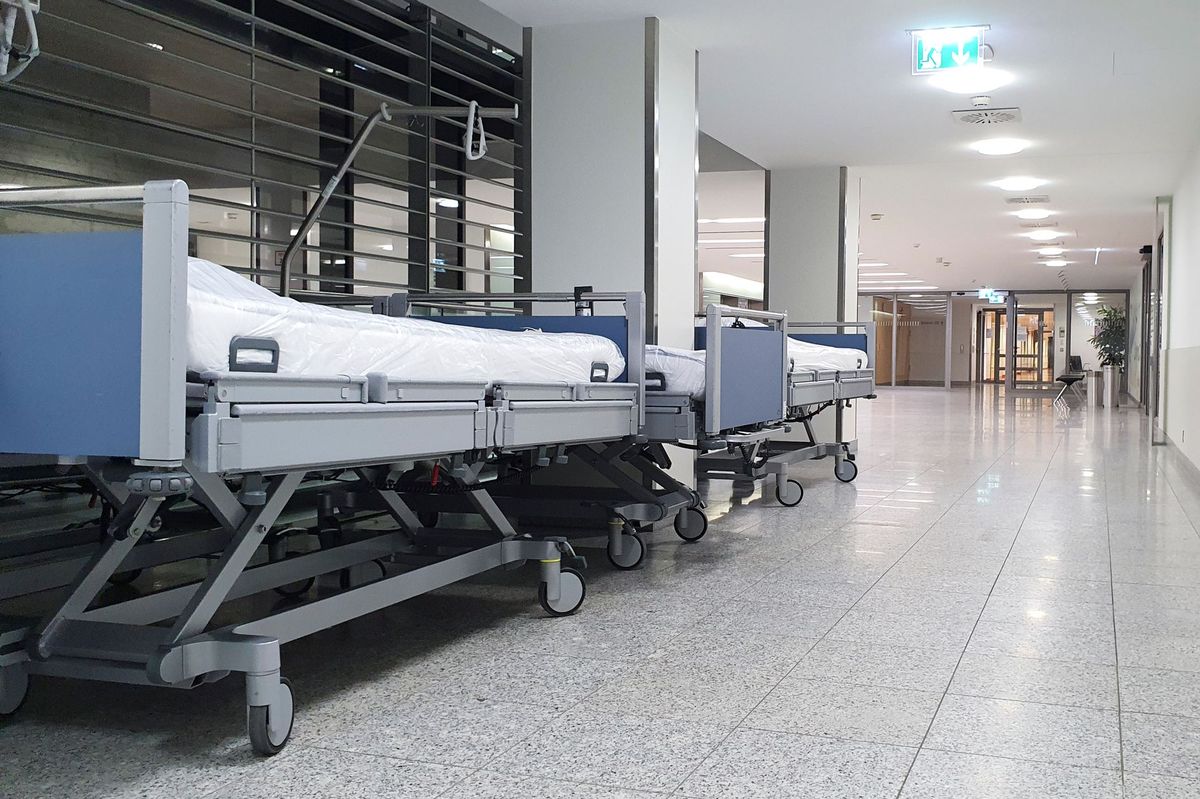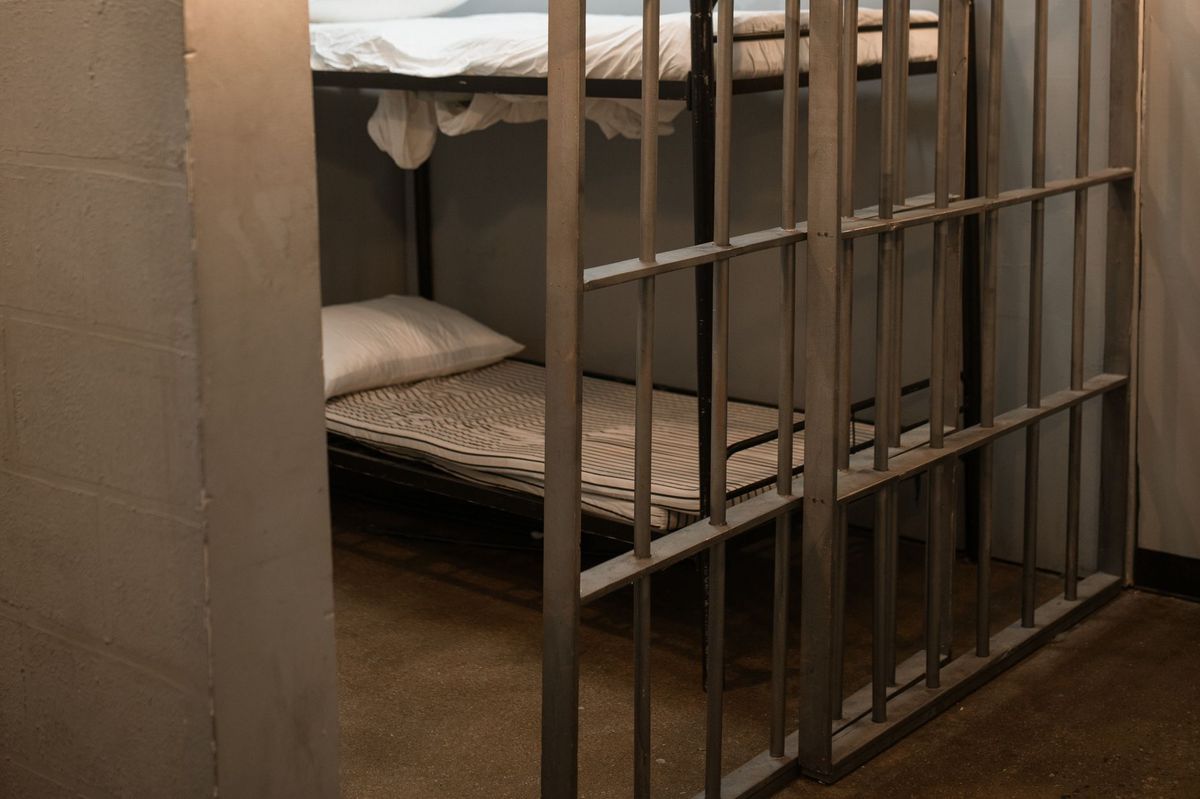
The math: county jail construction costs have reached an average of $500,000 to $750,000 per bed nationally, with projects in high-cost markets like California, New York, and Massachusetts exceeding $1 million per bed. A typical 500-bed county jail now costs $250 million to $375 million to construct — a figure that has more than doubled since 2015 and continues to climb faster than general construction inflation.
Bottom line: jail construction represents one of the most expensive building types in the public construction market, second only to hospitals in per-square-foot cost. The extraordinary costs are driving a growing policy debate about whether communities should build new jails at all, with reform advocates arguing that investments in mental health facilities, drug treatment centers, and pretrial diversion programs can reduce jail populations — and construction costs — while improving public safety outcomes.
Why Jails Cost So Much
The per-bed cost of county jail construction reflects several factors that compound across every building system:
Security Infrastructure. Jail construction requires hardened construction throughout — security hollow metal frames and doors rated for detention use ($3,000 to $8,000 per opening versus $500 to $1,500 for commercial), security glazing (polycarbonate or laminated glass in steel frames, $200 to $500/SF versus $50 to $100/SF for commercial), electronic locking systems with individual cell door controls tied to central monitoring, CCTV camera systems providing coverage of every occupied area (typically 200 to 500+ cameras per facility), and perimeter security including 12-foot secure fencing, razor wire, vehicle barriers, and sally port construction. Security systems typically represent 15 to 20% of total jail construction cost.
Cell Construction. Individual inmate cells require precast concrete or CMU walls (8 to 12 inches thick for security), stainless steel fixtures (toilet/sink combination units at $2,500 to $4,000 each, designed to resist tampering and weaponization), security lighting fixtures (sealed, tamper-resistant, ligature-resistant), and door/lock systems rated for 500,000+ cycle life. A single two-person cell costs approximately $80,000 to $120,000 to construct, excluding MEP systems.
Mechanical Systems. Jails require 100% outside air ventilation (no recirculated air, to prevent spread of communicable diseases), individual cell temperature control (inmates cannot adjust their own HVAC), specialized exhaust systems for chemical agent deployment (tear gas), and negative pressure isolation cells for inmates with tuberculosis or other airborne diseases. HVAC systems in jails cost 40 to 60% more per square foot than comparable commercial buildings.
Life Safety and Code Requirements. Jails are classified as Institutional Occupancy (Group I-3) under the International Building Code, the most restrictive occupancy classification. Requirements include Type I or Type II construction (non-combustible throughout), complete automatic sprinkler systems with tamper-resistant heads, smoke evacuation systems sized for the specific geometry of housing pods, and redundant means of egress with electronically controlled door release.
Specialized Program Spaces. Modern jails include medical and mental health clinics (often meeting primary care clinic construction standards), commercial food service kitchens serving 1,000+ meals per day, laundry facilities processing thousands of pounds per day, classroom and vocational training spaces, attorney-client meeting rooms with security partitions, and intake/booking areas with holding cells, fingerprinting equipment, and medical screening rooms.
Active Construction Pipeline
An estimated 80 to 100 county jail construction projects are active nationwide at any given time, representing an annual construction market of approximately $5 to $7 billion. The pipeline includes new jail construction to replace facilities that are 40 to 60+ years old, jail expansion to address overcrowding, renovation of existing facilities to meet current standards, and specialized mental health and medical housing construction.
Business tip: The jail construction market is dominated by a small number of specialized architects and contractors who understand the unique security, operational, and code requirements. Firms entering this market should partner with experienced detention architecture firms (DLR Group, HOK Justice, HDR) and invest in security hardware knowledge before pursuing projects as prime contractor.
The Reform Alternative: What's Being Built Instead
The reform vs. build debate is creating a parallel construction market for diversion facilities:
Crisis Stabilization Centers ($15 to $40 million each) provide short-term mental health intervention as an alternative to jail booking. These facilities require clinical treatment space, observation rooms, and secure-but-non-carceral design. Over 100 crisis stabilization centers are under construction or recently completed nationwide.
Residential Treatment Facilities ($20 to $60 million each) provide structured substance abuse and mental health treatment as an alternative to incarceration. Construction is similar to healthcare facilities with added security features.
Day Reporting Centers ($5 to $15 million each) provide structured daytime programming for pretrial defendants as an alternative to pretrial detention. Construction scope includes classroom space, drug testing facilities, and check-in/monitoring areas.
These alternative facilities cost significantly less than jail construction on a per-bed or per-client basis — typically $80,000 to $200,000 per bed/slot compared to $500,000+ for jail beds. For construction firms, the shift toward diversion facilities creates new market opportunities in a building type that combines healthcare, educational, and security construction elements.
Cost Control Strategies
Several approaches can reduce jail construction costs:
Direct Supervision Design uses open housing pods where officers are stationed within the living area rather than monitoring from a remote control room. This approach reduces the amount of security glazing, electronic surveillance equipment, and hardened control room construction, potentially saving 10 to 15% on overall project costs.
Prefabricated Cell Systems using factory-built concrete or steel cell modules that are trucked to the site and assembled can reduce on-site construction time by 30 to 40% and total cost by 10 to 15%. Companies like Oldcastle Precast and CoreCivic manufacture modular cell units that include all fixtures, finishes, and MEP rough-in.
Phased Construction allows counties to build jail capacity incrementally, constructing core support facilities (kitchen, medical, administration, intake) sized for the ultimate facility but building housing pods in phases as population demands warrant. This approach reduces initial capital cost and avoids building capacity that may not be needed if reform efforts successfully reduce jail populations.
Bottom line: jail construction is expensive, controversial, and increasingly subject to policy alternatives that may redirect some construction spending from carceral to therapeutic facilities. For contractors, the key is understanding both the traditional jail construction market and the emerging alternative facility market, positioning to capture work regardless of which policy direction prevails in individual jurisdictions.
Inmate Classification and Housing Design
Modern jail design is driven by inmate classification systems that separate populations based on security risk, medical needs, gender, age, and legal status (pretrial vs. sentenced). This classification requirement means that jail facilities must provide multiple distinct housing areas, each with independent security systems, recreation space, and in many cases, separate food service and program delivery. The result is a building that functions as multiple separate facilities under one roof, dramatically increasing construction complexity and cost compared to a single-classification institutional building.
A typical 500-bed county jail provides 8 to 12 separate housing units (called "pods" or "housing modules"), each containing 40 to 80 beds with dedicated day room, shower, and outdoor recreation space. The security systems for each pod operate independently, with pod-level control stations staffed by correctional officers who manage door controls, CCTV monitoring, and inmate movement within their assigned pod. The aggregate effect of this pod-based design is a building with the footprint and structural complexity of a single large facility but the security systems, MEP infrastructure, and staffing requirements of 8 to 12 smaller facilities operating in parallel.
Healthcare and Mental Health Construction
Modern county jails function as de facto mental health facilities, housing a population in which 30 to 40% have diagnosed mental health conditions and 60 to 70% have substance use disorders. This reality drives construction requirements for medical and mental health spaces that approach healthcare facility standards.
Jail medical units require examination and treatment rooms meeting healthcare facility standards (including medical gas systems, emergency call stations, and infection control ventilation), pharmacy spaces with DEA-compliant controlled substance storage, dental operatory rooms with compressed air, vacuum, and specialized lighting, mental health crisis cells with anti-ligature fixtures, non-breakable surfaces, and continuous visual monitoring, and negative-pressure isolation cells for inmates with airborne infectious diseases (TB, COVID).
Medical and mental health space construction costs $800 to $1,200 per SF — among the highest per-SF costs within the jail facility — and typically accounts for 15 to 20% of total building area in modern jail designs.
Alternative Delivery: Modular and Prefabricated Construction
Several counties are exploring modular and prefabricated construction methods to reduce jail construction costs and timelines. Prefabricated steel cell modules — manufactured in controlled factory conditions and transported to the site for assembly — can reduce on-site construction time by 30 to 40% and total cost by 10 to 15% compared to conventional cast-in-place concrete cell construction.
Companies specializing in modular jail construction manufacture complete cell units including walls, ceiling, floor, door frame, fixture rough-in, and security hardware. The modules are trucked to the site on flatbed trailers and crane-set into the building structure, with field connections for MEP systems, door hardware, and security electronics made after module placement.
Modular jail construction works best for repetitive housing modules where the standardized cell design can be replicated across hundreds of units. Support spaces — medical, kitchen, intake, administration — are typically constructed using conventional methods because their unique configurations don't benefit as much from factory fabrication.
Operational Cost Implications of Construction Decisions
A critical aspect of jail construction that differentiates it from other building types is the direct relationship between construction design and long-term operational costs. A county jail operates 24/7/365 with a staffing-intensive operational model — staffing costs typically represent 70 to 80% of annual operating budgets. Construction decisions that affect staffing requirements have enormous lifecycle cost implications.
For example, the choice between remote surveillance housing (where officers monitor inmates via CCTV from a central control room) and direct supervision housing (where officers are stationed within the housing pod) affects both construction costs and staffing requirements. Direct supervision housing costs less to construct (fewer CCTV cameras, simpler control room design) but may require different staffing levels depending on pod size and inmate classification.
Business tip: Contractors bidding jail projects should develop relationships with criminal justice consulting firms (firms like CGL Companies, Pulitzer/Bogard, and DLR Group Justice) that help counties plan jail facilities. These consultants influence design and construction decisions and can be valuable allies in the competitive selection process.
Emergency Systems and Life Safety
County jail construction includes emergency systems that exceed the requirements of most building types due to the unique combination of large confined populations, limited egress options, and the potential for violent incidents.
Fire Protection in jails uses concealed, tamper-resistant sprinkler heads throughout inmate-occupied areas, smoke detection and evacuation systems designed for phased evacuation (moving inmates from the fire area to adjacent secure areas rather than evacuating the building entirely), fire-rated cell doors that contain fire within individual cells while allowing officers to unlock and evacuate affected areas, and emergency lighting and signage designed for corrections environments (tamper-resistant, vandal-proof fixtures).
Mass Notification Systems provide facility-wide communication during emergencies including lockdowns, fires, medical emergencies, and weather events. Construction includes speaker systems in every occupied area, visual alert systems (strobe lights) for hearing-impaired inmates, intercom systems allowing two-way communication between the central control room and every housing pod, and integration with external emergency notification systems (county emergency management).
Restraint and Control Systems include secure observation cells with padded surfaces for inmates in crisis, chemical agent delivery systems (tear gas dispensers in housing pods, controlled from the central control room), and emergency response team (ERT) staging and equipment storage areas designed for rapid deployment. These specialized systems add $20,000 to $50,000 per housing pod to construction costs.
Sustainable Jail Construction
Despite the inherently high energy consumption of 24/7/365 occupied facilities, modern jail construction increasingly incorporates sustainability features that reduce operating costs. Daylighting through secure skylights and clerestory windows in day rooms and common areas reduces lighting energy while improving inmate well-being (research shows that daylight exposure reduces violent incidents by 15 to 20%). Water conservation through low-flow fixtures and greywater recycling can reduce water consumption by 30 to 40% compared to conventional jail plumbing. High-efficiency HVAC with heat recovery from the continuous exhaust stream reduces heating costs by 20 to 30%. And on-site solar generation (ground-mounted arrays within the secure perimeter or rooftop installations) can offset 15 to 30% of facility electrical consumption.
Business tip: Jail construction is a repeat-business market. Counties that build new jails in 2026 will need renovations and expansions in 2036-2046. Contractors who build strong relationships with county sheriffs' offices, county administrators, and criminal justice consultants during initial jail construction create long-term business development pipelines for future facility work.
To put these numbers to work on your next bid, start with our free construction cost estimator and the markup margin calculator.
Frequently Asked Questions
How are jail construction cost per bed projects funded?
Federal and state data confirm that jail construction cost per bed continues to be a major factor in 2026 construction planning. The latest available figure of $500,000 provides a useful baseline, though actual costs vary by region, project scope, and market conditions. Contractors should request updated quotes from suppliers and subcontractors before finalizing bids.
What is the average cost of jail construction cost per bed?
The geographic landscape for jail construction cost per bed is shifting in 2026. Data indicating $750,000 underscores the importance of market selection for contractors seeking growth. Western and southeastern states continue to attract disproportionate investment relative to their population share.
Which states are investing the most in jail construction cost per bed?
The trajectory for jail construction cost per bed tells an important story when viewed against historical benchmarks. With the latest data showing $1 million, the trend has clear implications for project feasibility, bidding accuracy, and resource allocation across the construction sector.