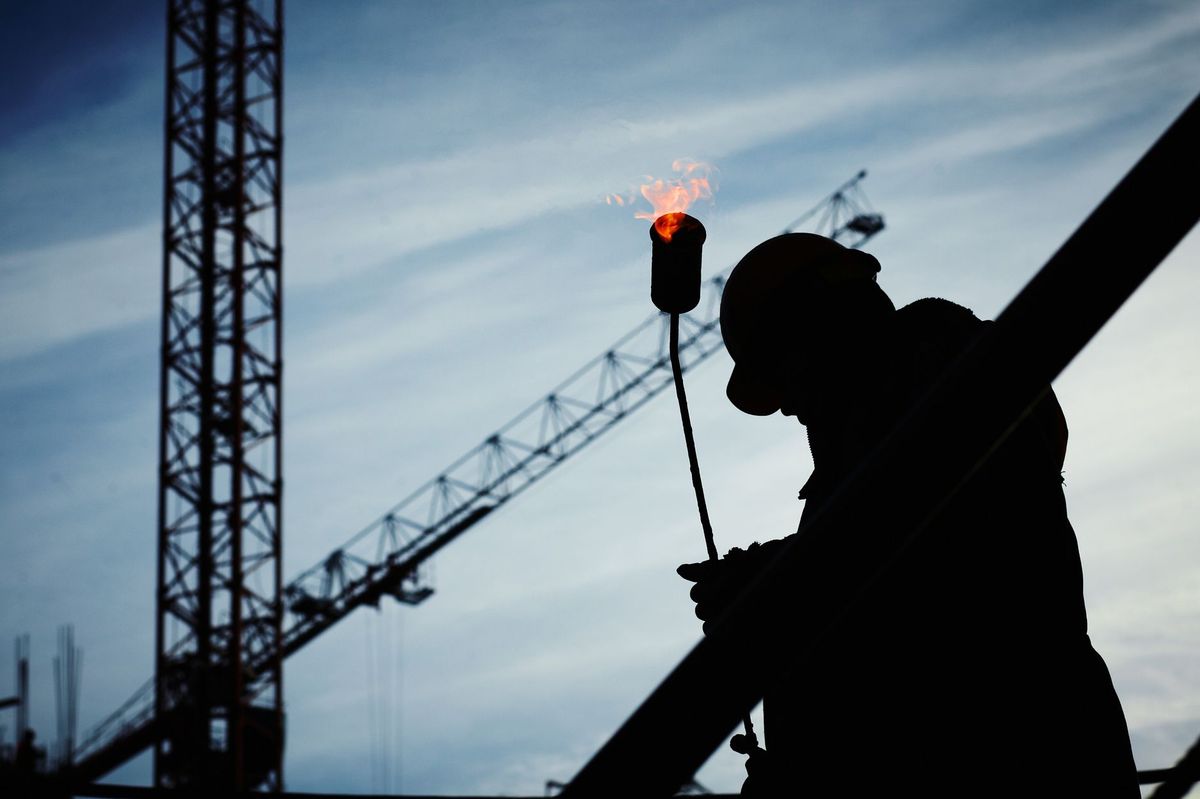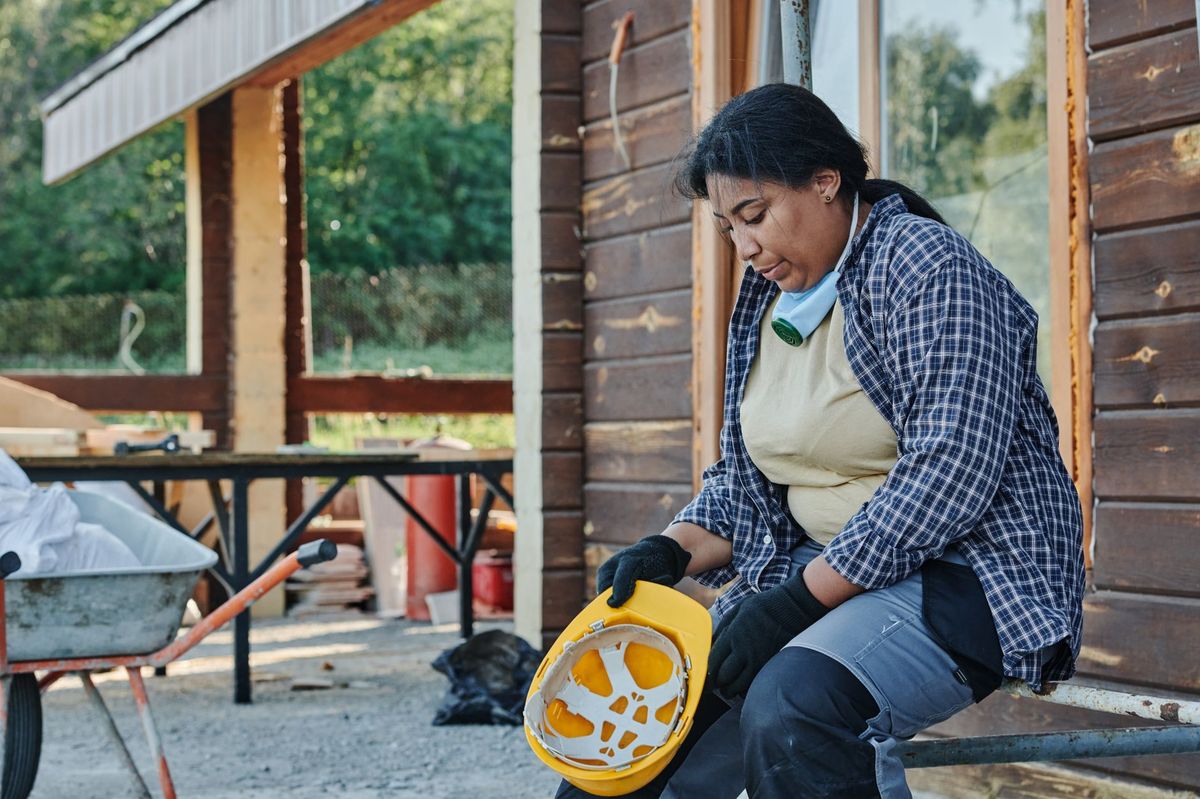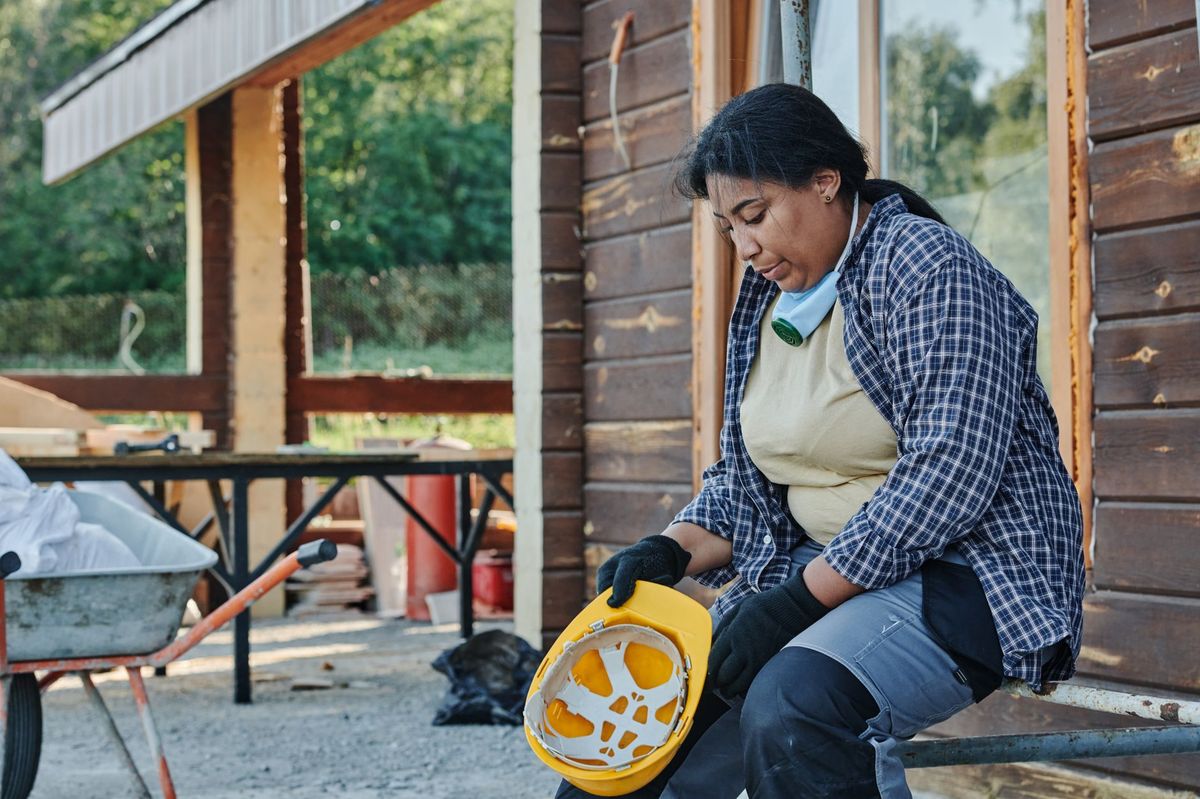
On July 18, 2025, a 24-year-old concrete finisher in Houston collapsed on the job at 2:47 p.m. The temperature was 103 degrees Fahrenheit. The heat index was 118. His crew called 911 within minutes, but his core body temperature had already reached 108.3 degrees by the time paramedics arrived. He died at Memorial Hermann Hospital three hours later.
He was one of 36 construction workers who died from heat-related illness in 2025, according to OSHA's fatality data — a number that is almost certainly an undercount, since many heat deaths are classified as cardiac events. The Bureau of Labor Statistics puts the broader number of heat-related workplace fatalities across all industries at 119 for the most recent reporting year, with construction accounting for the single largest share.
On October 30, 2025, OSHA published its final rule on Heat Injury and Illness Prevention in Outdoor and Indoor Work Settings (29 CFR 1926.64 for construction, 29 CFR 1910.148 for general industry). The rule took effect on April 1, 2026. It is the most significant new OSHA standard in over a decade, and it changes how every construction company in America must manage heat exposure.
This article explains what the rule requires, why the old approach was not working, and how to build a heat illness prevention program that actually protects your crews.
Why a New Rule Was Necessary
Before October 2025, OSHA had no specific standard for heat exposure. The agency relied on the General Duty Clause — Section 5(a)(1) of the OSH Act — which requires employers to provide a workplace "free from recognized hazards that are causing or are likely to cause death or serious physical harm."
The problem with the General Duty Clause approach was threefold:
1. Enforcement was inconsistent. General Duty Clause citations require OSHA to prove that a recognized hazard existed, that the employer knew or should have known about it, and that feasible abatement measures were available. This is a higher burden of proof than a specific standard violation. Many heat-related fatality investigations resulted in no citations at all.
2. Employers had no clear compliance target. Without a specific standard, there was no defined action level, no required rest schedule, no mandated acclimatization protocol. Some employers had excellent heat programs. Many had nothing beyond "drink water."
3. Heat deaths kept climbing. OSHA's own data shows that heat-related construction fatalities increased 38% between 2015 and 2025 when adjusted for workforce size. Climate data from NOAA confirms that the number of days exceeding 95°F in major construction markets — Phoenix, Houston, Dallas, Las Vegas, Miami — has increased by an average of 11 days per year over the same period.
Safety note: "Drink water and take breaks" is not a heat illness prevention program. It never was. The new rule establishes specific, enforceable requirements that every construction employer must meet starting April 1, 2026.
What the Rule Requires
The heat standard is structured around two trigger temperatures measured by the Wet Bulb Globe Temperature (WBGT) or, as an alternative, the heat index:
Initial Trigger: 80°F Heat Index
When the heat index reaches 80°F, employers must:
- Provide drinking water — at least one quart per worker per hour, suitably cool, and located within a quarter-mile of the work area (or closer if terrain makes a quarter-mile impractical)
- Provide a rest area — a shaded or air-conditioned space where workers can take breaks. If outdoors, the shade must be open to air or have ventilation. If indoors, the space must be climate-controlled.
- Allow and encourage rest breaks — workers must be allowed to take breaks as needed without fear of retaliation
- Implement acclimatization procedures for new and returning workers (detailed below)
- Have an emergency response plan — including procedures for contacting emergency services, monitoring symptomatic workers, and providing on-site first aid
High-Heat Trigger: 90°F Heat Index
When the heat index reaches 90°F, additional requirements kick in:
- Mandatory rest breaks — at least 15 minutes of rest in shade for every two hours of work in addition to any other breaks. The employer must enforce these breaks; it is not sufficient to "make them available."
- Buddy system — workers must be paired so each person has someone monitoring them for symptoms of heat illness
- Hazard alert — the employer must provide a daily briefing to workers about heat hazards, symptoms, rest break schedules, and emergency procedures
- Enhanced monitoring — supervisors must check in with each worker at least every two hours using a system such as a buddy check, radio check, or direct observation
Acclimatization Requirements
Acclimatization is one of the most important provisions in the new rule, and it addresses one of the most dangerous patterns in heat fatality data. OSHA's analysis found that approximately 50-70% of heat-related fatalities occur in a worker's first week on the job or their first week back after an absence of seven or more days.
The rule requires:
- New workers (those who have not worked in heat conditions above the initial trigger for at least the past 14 days) must follow a graduated exposure schedule: no more than 20% of normal work duration on day one, increasing by no more than 20% each subsequent day, reaching full work duration by day five
- Returning workers (those who have been away for seven or more days) must follow a similar graduated schedule, starting at no more than 50% on day one and reaching full duration by day three or four
- Acclimatization protocols must be documented and monitored by a supervisor
Written Heat Illness Prevention Plan
Every employer must maintain a written plan that covers:
- Identification of heat hazards by job task and location
- Procedures for monitoring heat conditions (temperature measurement methods, frequency, and responsibility)
- Water provision procedures
- Rest and shade procedures at both trigger levels
- Acclimatization protocols
- Emergency response procedures, including how to cool a worker experiencing heat illness
- Training requirements for workers and supervisors
How Heat Illness Kills
Understanding the physiology is critical for supervisors and crew leads who need to recognize symptoms and respond appropriately.
Heat cramps are the first sign. Muscle spasms in the legs, arms, or abdomen caused by electrolyte loss through sweating. Treatment: rest in shade, cool fluids with electrolytes, gentle stretching. Workers can return to work once symptoms resolve if conditions have not worsened.
Heat exhaustion is the red flag. Symptoms include heavy sweating, weakness, nausea, dizziness, headache, and cool or clammy skin. Core body temperature may be elevated but is typically below 104°F. Treatment: remove from heat immediately, cool with wet cloths or misting, provide water, and monitor continuously. If symptoms do not improve within 15-20 minutes, call 911.
Heat stroke is the emergency. The body's cooling system has failed. Symptoms include confusion, slurred speech, loss of consciousness, seizures, and hot, dry skin (though sweating may still be present). Core body temperature exceeds 104°F. Treatment: call 911 immediately, cool the worker aggressively with ice baths, cold water immersion, or ice packs to the neck, armpits, and groin. Every minute of delay increases the risk of death or permanent organ damage.
Safety note: The difference between heat exhaustion and heat stroke can be five minutes. Train every worker on your crew — not just supervisors — to recognize the symptoms. A confused worker cannot self-rescue. A buddy who does not know the signs cannot help.
What This Means for Construction Schedules
The mandatory rest break requirements at the high-heat trigger will affect productivity in hot-weather markets. There is no way around this, and pretending otherwise will get workers killed or get your company cited.
Here is what the numbers look like. In a standard eight-hour shift where the heat index exceeds 90°F for six hours:
- Mandatory rest breaks: 3 breaks × 15 minutes = 45 minutes of additional non-productive time
- Plus the initial trigger requirements (water, shade, acclimatization) that add logistical overhead
- Realistic productivity impact: 8-12% reduction in labor output during heat-affected hours
For a crew of ten workers at an average loaded labor cost of $62 per hour, that is roughly $370-$550 per day in reduced productivity. For a project with 60 heat-affected workdays in a Texas summer, that is $22,000-$33,000 in additional labor cost for one ten-person crew.
That is real money. It is also a fraction of the cost of a single heat-related fatality, which OSHA estimates at $1.2 million in direct and indirect costs, not counting the human cost that no dollar figure can capture.
Smart contractors are adapting schedules rather than absorbing the productivity hit:
- Early starts: Beginning shifts at 5:00 or 5:30 a.m. instead of 7:00 a.m. to capture more cool-weather hours
- Split shifts: Working 5:00 a.m. to 11:00 a.m., then 4:00 p.m. to 8:00 p.m., avoiding peak afternoon heat
- Task rotation: Scheduling strenuous work (concrete pours, roofing, heavy lifting) for early morning and lighter tasks (layout, planning, material staging) for afternoon hours
- Weekend work: Where labor agreements permit, shifting some hours to cooler weekend mornings
Enforcement and Penalties
OSHA has announced that heat standard enforcement will be a national emphasis program (NEP) for FY2026, meaning dedicated inspection resources and a lower threshold for opening an investigation. The agency has hired 120 additional compliance officers specifically trained in heat hazard assessment.
Employers should expect:
- Inspections triggered by temperature: OSHA has stated it will initiate inspections whenever the heat index exceeds 90°F in a metropolitan area, targeting construction sites through planned inspections and drive-by observations
- Fatality investigations: Every heat-related fatality will trigger a comprehensive investigation, and OSHA has indicated it will pursue willful citations where employers lack a heat illness prevention plan
- Penalties: Violations of the new heat standard carry the same penalties as any other specific standard — up to $16,550 per serious violation and $165,500 per willful violation. A single inspection covering water, shade, rest breaks, acclimatization, and training deficiencies could easily result in five or more violations.
Building Your Heat Illness Prevention Program
If your company does not already have a written heat illness prevention program that meets the new standard, you are behind. Here is a framework.
Step 1: Designate a heat safety coordinator
This person is responsible for monitoring weather conditions, ensuring compliance with trigger-level requirements, and maintaining program documentation. On large projects, designate a coordinator for each crew or work area.
Step 2: Establish temperature monitoring
Use the OSHA-NIOSH Heat Safety Tool app or a WBGT monitor to track conditions throughout the day. Check conditions before the shift, at midday, and whenever conditions appear to be changing. Document readings and the actions taken at each trigger level.
Step 3: Pre-position water and shade
Do not wait for the initial trigger to set up water and shade. Have them in place before the shift. Ensure water is kept cool — not warm jugs that have been sitting in the sun. Use insulated coolers with ice. Replenish throughout the day. For shade, use pop-up canopies, trailers, or existing structures. Plan shade locations so they are within a reasonable walk of every work area.
Step 4: Train everyone
Train every worker — not just supervisors — on heat illness symptoms, prevention, first aid, and the buddy system. Conduct training before the heat season starts, and provide refresher briefings when the high-heat trigger is reached.
Training must cover:
- How to recognize heat cramps, heat exhaustion, and heat stroke in themselves and others
- The employer's rest break schedule and how to request additional breaks
- Where water and shade are located
- Emergency procedures, including how to cool a symptomatic worker
- The employer's anti-retaliation policy for workers who report symptoms or request breaks
Step 5: Implement acclimatization protocols
Track new workers and returning workers. Use a log to document their graduated exposure schedule. Assign an acclimatization buddy — an experienced worker who monitors the new or returning worker for symptoms during the acclimatization period.
Step 6: Prepare emergency supplies
Every crew should have immediate access to:
- Cold water for immersion cooling (a clean cooler filled with ice water works)
- Ice packs
- A shaded rest area with ventilation
- A charged cell phone with 911 capability
- A worker trained in heat illness first aid
The relationship between heat exposure and the broader construction workforce gap is direct — workers leave the industry when they do not feel safe. Heat illness prevention is a retention strategy as much as a safety strategy.
For more on how construction wages are rising to attract and retain workers, including in high-heat markets, see our wage analysis.
Frequently Asked Questions
When does the new OSHA heat rule take effect for construction?
The OSHA heat standard for construction (29 CFR 1926.64) took effect on April 1, 2026. All construction employers must have a written heat illness prevention plan, provide water and shade at the 80°F heat index trigger, implement mandatory rest breaks at the 90°F trigger, and follow acclimatization protocols for new and returning workers. Enforcement is a national emphasis program for FY2026.
What temperature triggers OSHA's heat rule requirements on construction sites?
The rule uses two triggers based on the heat index (or WBGT equivalent). The initial trigger is 80°F, which activates requirements for drinking water, shade, rest breaks as needed, and acclimatization. The high-heat trigger is 90°F, which adds mandatory 15-minute rest breaks every two hours, a buddy system, daily hazard alerts, and enhanced supervisor monitoring.
How many construction workers die from heat illness each year?
OSHA reported 36 construction heat-related fatalities in 2025, but this figure likely undercounts the true toll because many heat deaths are classified as cardiac events or other causes. The Bureau of Labor Statistics reports 119 total workplace heat fatalities across all industries, with construction representing the largest share. Heat-related fatalities in construction increased 38% between 2015 and 2025 when adjusted for workforce size.
What does acclimatization mean under the new OSHA heat standard?
Acclimatization is the physiological process of gradually adjusting to working in heat. Under the new standard, new workers who have not been exposed to heat conditions above 80°F heat index for at least 14 days must follow a graduated schedule: 20% of normal workload on day one, increasing by 20% each day until reaching full workload on day five. Returning workers who have been absent seven or more days start at 50% and reach full workload by day three or four. Employers must document and monitor the acclimatization schedule.