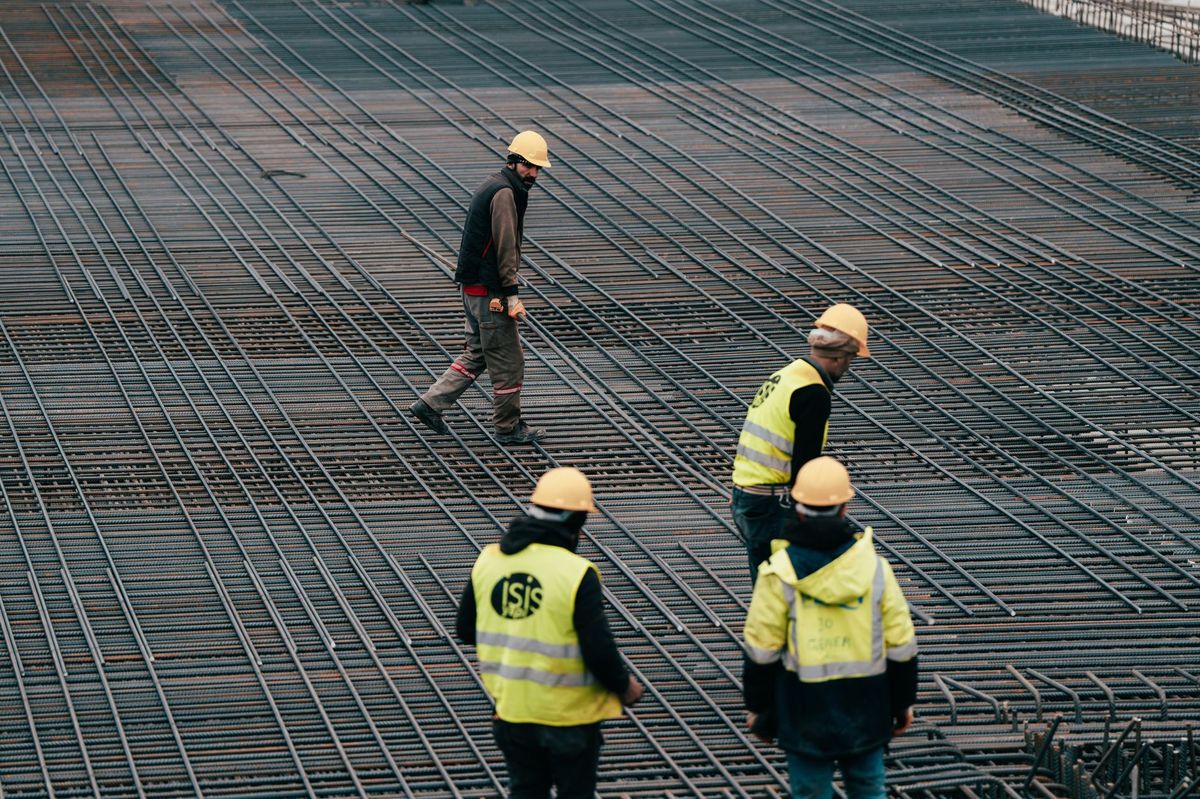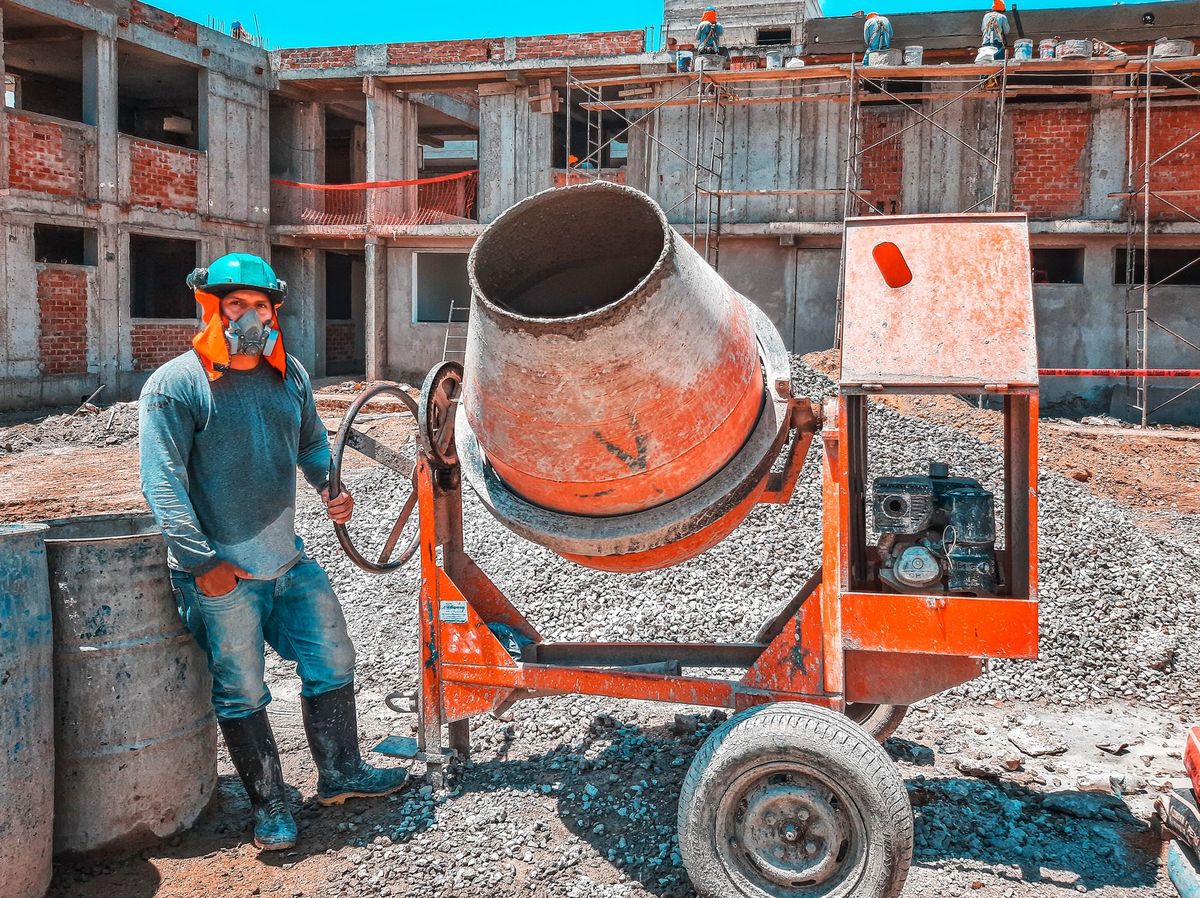
Operating engineers running heavy equipment cleared $44.20 an hour on average in February 2026. That's $91,936 a year at full-time hours — more than most accountants, more than most teachers, more than a lot of people with college degrees who are still paying off student loans. And that's the average. Operators in major metro markets are running $50-plus.
I've been in and around construction for over two decades and I don't remember a labor market this tight. The BLS Current Employment Statistics program put the average hourly earnings for production and nonsupervisory construction workers at $36.84 in February 2026 — a 4.1% year-over-year gain against a CPI of 2.8%. That's a real wage gain of about 1.3 percentage points. Three straight years of construction wages outrunning inflation.
But the industry-wide average doesn't tell contractors much that's useful. What matters is what you're paying your electrician, your pipefitter, your laborer — and whether that number will be 5% higher when you break ground on a job you're pricing today. Let me walk through the actual trade-level numbers and what they mean for hiring, retention, and bids.
The Full Trade-by-Trade Breakdown
I'm working off BLS Occupational Employment and Wage Statistics data, AGC contractor survey data, and what I'm hearing from foremen and supers on active sites.
Skilled Trades: The Top Earners
Operating engineers remain the top earners at $44.20 per hour nationally, up 3.2% year over year. The demand driver here is obvious to anyone watching infrastructure work — IIJA-funded highway, bridge, and heavy civil projects have absorbed every competent equipment operator the industry can find. New operators take three to four years to develop to the point where they can work independently on grading or crane work, so the supply pipeline is genuinely constrained.
Ironworkers aren't far behind at $41.80 per hour, up 3.7%. Structural steel erection and reinforcing iron work for large commercial and industrial projects — the sectors that have held up well even as residential softened — drive sustained demand.
Electricians hit $38.22 per hour nationally, the 4.8% year-over-year gain the largest percentage increase among the skilled trades tracked by BLS. The demand picture for electricians is unique right now: data center construction alone is adding 22,000 electrician positions in Virginia, with similar concentrations in Texas, Ohio, and Arizona. When a single project type in a single state is absorbing that kind of labor, it sends ripples into every other electrical market in the region. An electrical contractor in Richmond bidding commercial tenant improvement work is competing for the same journeymen as the data center general contractor paying premium rates. That's why electricians are seeing the fastest wage growth of any skilled trade.
Plumbers and pipefitters cleared $36.90 per hour, up 3.9%. Industrial and mechanical work has held up stronger than residential plumbing, and the pipe trade's overlap with HVAC systems in commercial and data center construction is creating sustained demand.
HVAC technicians averaged $35.15 per hour, up 4.3%. Service-side HVAC has been a floor under wages because residential replacement work doesn't follow the same project-cycle volatility as new construction. A tech who can do both commercial systems and residential service has more leverage than almost any other tradesperson in the market.
Carpenters came in at $32.60 per hour, up 3.4%. The variation within carpentry is wider than any other trade — a union carpenter in New York City running $60+ per hour, a non-union residential framer in a secondary Southern market at $22. The national average sits in the middle of a distribution with fat tails.
The Fastest Movers
Roofers saw the second-largest percentage gain of any trade at 4.9% year over year, reaching $28.40 per hour nationally. Roofers have historically been among the lower-paid production trades, but the labor supply for roofing work has tightened faster than almost anything else as younger workers pursue the more technical trades. The ones who stay command more.
Laborers had the biggest percentage jump: 5.1% year over year to $24.80 per hour. That number will surprise people who think of general labor as an abundant commodity. It shouldn't. The construction workforce shortage of 501,000 open positions includes a significant chunk of general labor — and in markets where wage growth elsewhere pulls workers toward higher-skilled roles, laborer availability has gotten genuinely tight. On some jobsites I've visited in the past year, the GC is paying a $2/hour premium over prevailing wage just to keep steady laborer count.
The Union Premium
In major metro areas, the union/non-union wage differential runs 25-35%. In New York, Los Angeles, Chicago, Boston, and Seattle, a union electrician journeyman is making $50-$65 per hour in wages alone before fringes. When you add in the benefit packages — pension contributions, health insurance, annuity contributions — total compensation in those markets can run $80-$100 per hour of labor cost to the contractor.
Outside of major metros, the differential narrows. In secondary markets, you're often looking at a 15-20% union premium, with the non-union contractors providing similar health benefits to compete for the same workers.
What's Driving Structural Wage Growth
This isn't a cycle thing. I know contractors who keep waiting for wages to "come back down" and they're going to be waiting a long time. Three structural factors are keeping construction wages elevated.
The supply side is broken. BLS JOLTS data for March 2026 shows 413,000 construction job openings. ABC pegs the total additional workers needed at 501,000. The people to fill those jobs don't exist yet. The construction workforce gap is the product of a decade of under-investment in trades training, an aging workforce — the median construction worker is 42, and retirements are accelerating — and a cultural shift that pushed a generation of young people toward four-year degrees instead of apprenticeships.
Competing demand from adjacent sectors. A skilled electrician who can do conduit work can also get hired by Amazon to maintain their distribution center electrical systems at $36 per hour with full benefits and no weather exposure. A carpenter who can read blueprints can pivot to millwork fabrication or prefab panel assembly at controlled-environment facilities. The competition for technical workers is no longer just contractor-to-contractor. It's construction versus manufacturing, distribution, and energy.
Wage growth compounding on itself. Once wages in an area hit a threshold, the next hire knows the market rate. We've crossed that threshold in most major metros. I had a conversation with a GC superintendent last month who said his concrete foreman got a competing offer at $4 per hour more. He matched it. That matching decision becomes the new market signal that every worker in earshot factors into their next negotiation.
What This Means When You're Pricing a Job
Here's the practical problem: you price a bid today, you break ground in four months, and you finish in 14 months. What does labor cost in month 18 versus month 1?
If wages are running 4.1% annually, you're looking at roughly 0.34% per month of cost escalation. On a $2 million labor budget, that's $6,800 per month. Over 18 months of work, that's $122,400 of cost exposure if you locked in your labor rate at bid day. That's not a rounding error.
AGC survey data shows that labor escalation clauses are now included in 67% of construction contracts over six months in duration. Three years ago that number was under 40%. If you're not putting escalation language in your contracts, you're one of the remaining 33% who are absorbing all of that risk in their contingency line — or eating it out of margin.
The escalation clause approach I've seen work best in the market ties the adjustment trigger to the BLS Construction Employment Cost Index, adjusts quarterly, and sets a band — no adjustment below 2% change, capped at 8% upward adjustment per year. That language is fair to owners and gives you real protection on the upside.
Retention: Where You're Actually Losing Money
The conversation about wages isn't just about what you pay to attract workers. It's about what you're losing when you don't retain them.
Turnover cost for a skilled tradesperson runs $5,000-$15,000 depending on the trade and market — that's the cost of recruiting, onboarding, lower productivity during the learning curve, and in some cases the small but real cost of quality problems from unfamiliar crew dynamics. If you're turning over 20% of a 25-person crew annually, you're burning $25,000-$75,000 a year that doesn't show up as a line item anywhere.
The contractors I see holding their crews are not always paying the most. They're doing a few things consistently: clear communication about the project pipeline so workers know there's work after this job, a path to increased responsibility for people who want it, and predictable schedules that don't grind people into the ground. A laborer making $24.80 an hour with a predictable 45-hour week and a good super is not leaving for $25.50 an hour at a shop where the schedule is chaos.
That said, on total compensation the math still matters. The wage growth trend that's been running above inflation for three straight years has reset workers' expectations. They know the market. They know what a journeyman electrician earns. If you're paying 10% below market and counting on loyalty, you're going to lose those workers to someone paying market rate.
The 5-Year Earnings Trajectory: Best Trades for New Entrants
For anyone considering entering the trades right now — or for contractors who talk to young people about career paths — the five-year income trajectory is more compelling than most people realize.
An electrician starting an IBEW apprenticeship today at $19.40 per hour will be at approximately $38+ per hour at journeyman completion five years from now. At 2,000 annual hours, that's roughly $39,000 in year one growing to $76,000+ in year five — without a single dollar of student debt. The income curve for trades apprenticeships versus the income curve for four-year college degrees, when you account for the debt load and delayed earnings start of college, crosses somewhere around year six or seven. After that, the trades graduate is ahead and stays ahead.
The best entry-point trades by five-year trajectory right now: electrical (highest ceiling, fastest wage growth), plumbing/pipefitters (similar ceiling, slightly easier market entry in some regions), HVAC (slightly lower ceiling but extremely stable demand from service work), and operating engineers (high ceiling but longer pathway to reach productive rates on complex equipment).
To turn these wages into a real crew budget, run them through our free labor burden calculator — base pay is only about 70% of what a worker actually costs.
FAQ
What is the average construction wage in the U.S. in 2026?
BLS Current Employment Statistics data for February 2026 shows average hourly earnings for production and nonsupervisory construction workers at $36.84, a 4.1% increase year over year. This is an industry-wide average across all trades — skilled trades like operating engineers ($44.20/hr) and electricians ($38.22/hr) sit well above the average, while laborers ($24.80/hr) and roofers ($28.40/hr) are below it.
Which construction trade pays the most in 2026?
Operating engineers (heavy equipment operators) average $44.20 per hour nationally, making them the highest-paid production trade by hourly rate. Ironworkers average $41.80/hr. In major metro union markets, journeyman electricians and pipefitters can exceed both figures when you include fringe benefits. The highest total compensation is typically in union electrical and pipe trades in major northeastern and Pacific Coast cities.
Why are construction wages growing faster than inflation?
Three structural factors are driving above-inflation wage growth: a shortage of 501,000 workers against current demand, an aging workforce with retirements accelerating, and competition from non-construction sectors (tech, manufacturing, energy) for the same skilled workers. This isn't cyclical — the supply pipeline for trained tradespersons takes four to five years to develop, so the shortage won't resolve quickly.
What is a labor escalation clause and should I include one in contracts?
A labor escalation clause allows you to pass through wage increases above a defined threshold to your client during multi-month projects. AGC data shows 67% of contracts over six months now include such clauses. For contracts that stretch beyond 12 months, not having escalation language means you're absorbing all wage growth in your contingency — and at 4.1% annual wage growth, that's real money on any substantial labor budget.
How do construction wages compare between union and non-union workers?
In major metro areas, union workers earn 25-35% more in wages than non-union counterparts in comparable trades, and total compensation gaps can be larger when pension and benefit contributions are included. Outside major metros, the differential narrows to 15-20%. Non-union contractors in competitive markets typically offer comparable health insurance to close the gap, but pension/annuity benefits remain a significant union premium.
Your Action Item for This Week
Pull your last three completed job cost reports and compare your actual labor hours and total labor cost against what you bid. Calculate your average effective hourly rate paid versus bid rate. If your actual is more than 5% above bid, you have a systematic escalation exposure that your current bid templates aren't capturing. Adjust your labor burden factor or add an escalation line item in your next bid for any job that runs beyond six months. One afternoon of bid template work now is worth tens of thousands of dollars in protected margin on the next significant project.