The cumulative impact of active tariffs on construction materials now totals an estimated $4.8 billion in additional annual costs for the U.S. construction industry — a figure calculated by the Associated General Contractors of America based on current tariff rates applied to construction-sector import volumes. That $4.8 billion represents approximately 0.3% of total annual construction spending of $2.1 trillion, but the impact is not distributed evenly: projects heavy in steel, aluminum, and imported mechanical equipment bear disproportionate cost burdens that can reach 4-8% of total project cost.
The math: a 100,000 square foot commercial office building using approximately 1,200 tons of structural steel at a $210/ton tariff premium absorbs $252,000 in tariff-related cost — on a project where the total profit margin might be $600,000. For contractors operating on thin margins, tariff costs are not a rounding error; they are the difference between profitability and loss.
Bottom line: tariffs on construction materials have become a permanent feature of the cost landscape, and contractors must understand them well enough to price them accurately, manage them strategically, and communicate their impact to owners and developers.
The Current Tariff Landscape
Active tariffs affecting construction materials (as of 2026):
Steel (Section 232)
- Rate: 25% ad valorem on most imported steel products
- Coverage: Structural shapes, plate, sheet, pipe, tube, rebar, wire
- Exclusions: Some product-specific exclusions have been granted through Commerce Department review
- Impact: Steel tariffs add approximately $180-$240 per ton to imported steel costs
- Annual construction cost impact: Approximately $2.1 billion
Aluminum (Section 232)
- Rate: 10% ad valorem on most imported aluminum products
- Coverage: Sheet, plate, extrusions, castings, forgings
- Impact: Adds approximately $0.12-$0.18/lb to imported aluminum costs
- Key construction products affected: Window frames, curtain wall mullions, electrical conductor, HVAC components
- Annual construction cost impact: Approximately $640 million
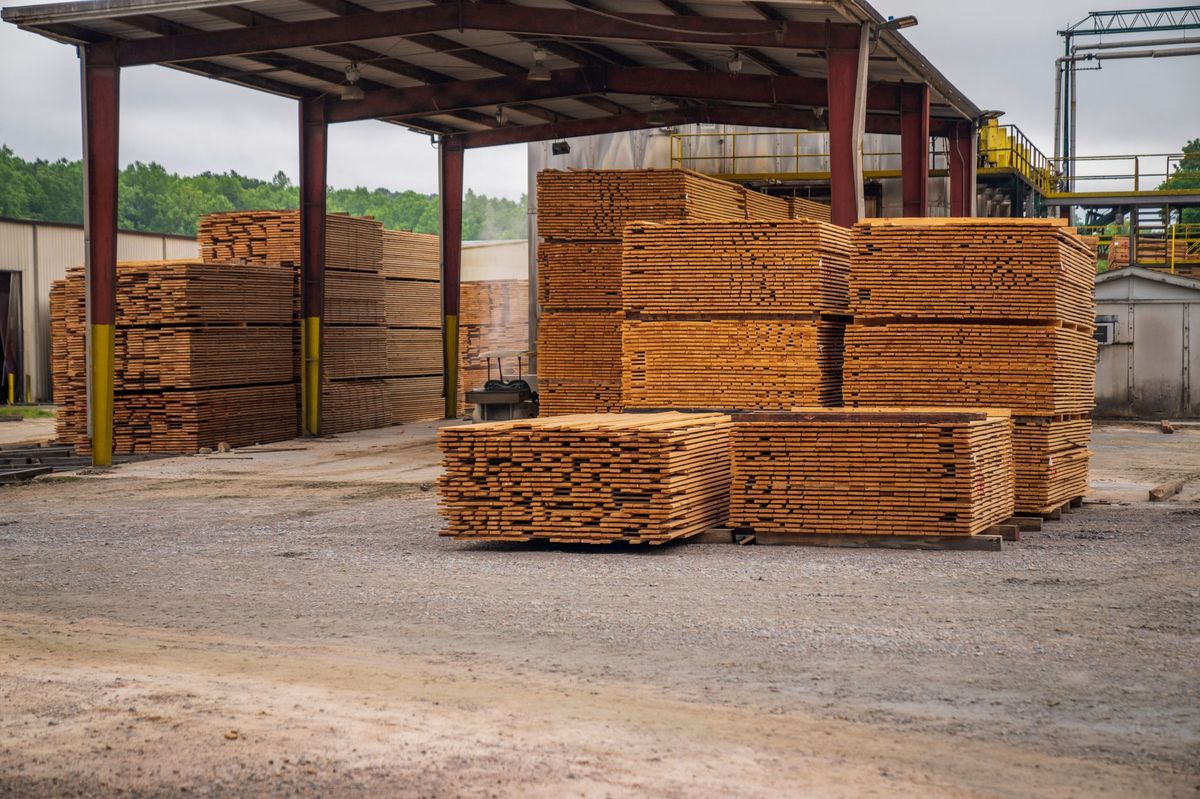
Canadian Softwood Lumber (Countervailing/Anti-Dumping)
- Rate: Varies by producer, approximately 8.05-14.19% combined CVD/AD duty
- Coverage: Structural lumber, dimensional framing lumber
- Impact: Adds approximately $30-$60 per thousand board feet to imported Canadian lumber
- Annual construction cost impact: Approximately $580 million
Chinese Products (Section 301)
- Rate: 25% on most construction-relevant products
- Coverage: Steel and aluminum downstream products, mechanical components, electrical equipment, hand tools, fasteners, tile, stone, glass products
- Additional tariffs (2024-2026 expansion): 100% on Chinese electric construction equipment (excavators, loaders); 50% on semiconductors used in construction technology
- Annual construction cost impact: Approximately $1.2 billion
Other Active Tariffs
- Turkish steel rebar: additional duty under Section 232 quota limitations
- Vietnamese steel products: anti-dumping duties on certain products transshipped through Vietnam
- Brazilian structural steel: countervailing duties on subsidized products
- Combined additional impact: approximately $280 million
Business tip: Not all tariffs are created equal in their construction impact. Steel Section 232 tariffs at 25% are the largest single cost driver, but Chinese Section 301 tariffs on downstream products — things like mechanical components, electrical panels, and construction equipment parts — have the broadest reach across project types. The math: a single Chinese-made electrical switchgear panel that costs $45,000 before tariff costs $56,250 after the 25% Section 301 tariff. Multiply that across all Chinese-sourced electrical and mechanical equipment on a large project, and the impact is significant.
Project-Level Cost Impacts
The $4.8 billion aggregate number becomes more meaningful when translated to specific project types:
Residential Construction
Single-family home (2,400 sf):
- Lumber tariff impact: $1,200-$2,400 per home
- Steel/fastener tariff impact: $400-$800 per home
- Appliance and equipment tariff impact: $200-$600 per home
- Total tariff cost per home: $1,800-$3,800
- As percentage of total construction cost: 0.5-1.1%
The residential impact is modest in percentage terms because homes use relatively little imported steel and rely primarily on domestic lumber (though Canadian softwood lumber tariffs are the primary tariff driver in residential).
Commercial Office Building (100,000 sf)
- Structural steel tariff impact: $180,000-$252,000
- Aluminum curtain wall/window tariff impact: $42,000-$68,000
- Mechanical equipment tariff impact: $28,000-$55,000
- Electrical equipment tariff impact: $35,000-$62,000
- Total tariff cost: $285,000-$437,000
- As percentage of total construction cost ($28M project): 1.0-1.6%
Industrial/Manufacturing Facility (200,000 sf)
Industrial buildings with heavy structural steel, specialized mechanical systems, and imported process equipment bear the heaviest tariff burden:
- Structural steel: $420,000-$580,000
- Process equipment (often partially imported): $180,000-$400,000
- Mechanical systems: $85,000-$160,000
- Electrical systems: $95,000-$180,000
- Total tariff cost: $780,000-$1,320,000
- As percentage of total cost ($52M project): 1.5-2.5%
Infrastructure (Bridge Replacement)
Major infrastructure projects with heavy steel and reinforcing steel content:
- Structural steel and rebar: $520,000-$840,000 on a typical $40M bridge
- Mechanical/electrical (traffic systems, lighting): $45,000-$80,000
- Equipment parts: $25,000-$50,000
- Total tariff cost: $590,000-$970,000
- As percentage of total cost: 1.5-2.4%
Data Center (100 MW)
Data centers have exceptionally high electrical equipment content, much of which has international supply chains:
- Structural steel: $280,000-$420,000
- Electrical equipment (switchgear, transformers, PDUs): $680,000-$1,200,000
- Mechanical equipment (cooling systems): $320,000-$580,000
- Backup generators: $140,000-$280,000
- Total tariff cost: $1,420,000-$2,480,000
- As percentage of total cost ($400M project): 0.4-0.6% — lower percentage due to very high total cost
Domestic Sourcing: Can You Avoid Tariffs?
The obvious question: can contractors avoid tariffs by sourcing domestically? The answer is complicated:
Steel: Domestic steel production has expanded to approximately 78% capacity utilization, and domestic producers can supply the majority of structural steel demand. However:
- Domestic steel prices have risen to approximately match imported steel plus tariff — domestic producers raised prices to capture the tariff-created margin
- Specialized steel products (high-strength, corrosion-resistant, specific alloy grades) may not be available domestically
- Lead times for domestic steel have increased as demand shifted from imports to domestic mills
- Net effect of "buying domestic to avoid tariffs": savings of 0-5% compared to imported steel with tariff — the domestic price umbrella largely negates the tariff avoidance benefit
Aluminum: Similar dynamics — domestic aluminum producers have raised prices to near-parity with tariff-inclusive import prices. Limited domestic smelting capacity means that raw aluminum is still largely imported and tariffed.
Lumber: Domestic softwood lumber production has increased, but Canadian lumber remains essential for meeting demand. Domestic lumber prices have risen in sympathy with tariff-inflated Canadian lumber prices.
Equipment: Domestic alternatives exist for most standard construction equipment but not for many specialized components. Chinese-manufactured or Chinese-component equipment has limited domestic substitutes in some categories.
Business tip: "Buy domestic to avoid tariffs" sounds simple but rarely produces significant savings because domestic prices adjust to tariff-inclusive import price levels. The real strategy is understanding which products have genuine domestic alternatives with competitive pricing and which don't. Bottom line: don't assume domestic sourcing eliminates tariff cost impact — verify with actual quotes.
Tariff Management Strategies
1. Tariff Exclusion Applications
The Commerce Department processes tariff exclusion requests for specific products that are not available from domestic sources or where domestic supply is insufficient. The process:
- Submit detailed application identifying the specific product, its use, and why domestic sourcing is not feasible
- Processing time: 4-12 months — too slow for most project-driven needs
- Approval rate: approximately 35% of construction-related requests
- Exclusions, if granted, provide retroactive and prospective tariff relief
2. Contract Tariff Provisions
Contractors should include tariff-specific provisions in contracts:
- Tariff escalation clauses: Allow price adjustment if tariff rates change after contract execution
- Tariff pass-through: On cost-plus contracts, ensure tariff costs are explicitly identified as reimbursable
- Material substitution rights: Reserve the right to substitute domestic or alternative materials if tariff costs exceed estimates
- Early procurement authorization: Allow purchase of tariff-sensitive materials before tariff rate changes take effect
3. Supply Chain Optimization
- Pre-purchase materials on signed contracts rather than waiting for traditional procurement timing
- Consolidate orders to improve negotiating leverage with domestic suppliers
- Explore alternative source countries for products not subject to tariffs (South Korean steel, Brazilian aluminum, European mechanical equipment)
- Value engineering: Substitute lower-tariff materials where performance is equivalent (e.g., concrete framing in place of structural steel where appropriate)
4. Forward Pricing Strategy
- Monitor tariff policy announcements and adjust bids accordingly
- Include tariff-specific line items in estimates so cost drivers are transparent to owners
- Use tariff volatility as justification for shorter bid validity periods — standard 30-day bid validity is risky when tariff changes can occur via executive order
Political and Policy Outlook
Tariff policy remains volatile, with potential changes that could significantly affect construction costs:
Scenarios that would increase construction costs:
- Expansion of Section 301 tariffs to additional Chinese construction products
- Increased softwood lumber duties following trade dispute escalation
- New tariffs on European or Asian steel and aluminum products
- Section 232 tariff rate increases from 25% to proposed higher levels
Scenarios that would decrease construction costs:
- Negotiated resolution of Canadian lumber dispute
- Broad tariff exclusion program for construction materials
- Section 232 tariff reduction or elimination through trade agreement
- Section 301 tariff phase-down as part of U.S.-China trade negotiations
Current legislative proposals:
- Several bills in Congress would provide blanket tariff exemptions for construction materials used in infrastructure projects funded by IIJA — creating the anomalous situation where infrastructure spending increases with one hand while tariffs increase infrastructure costs with the other
- The argument: imposing tariffs on materials used in publicly funded construction effectively taxes taxpayer-funded infrastructure investment
- No bill has advanced significantly as of early 2026
Bottom line: the $4.8 billion annual tariff cost on construction materials is structural — it is not going away soon. Contractors who treat tariffs as a permanent cost factor rather than a temporary disruption will price work more accurately, manage supply chains more strategically, and communicate more transparently with owners. The math doesn't care about politics; it just needs to be right.
The Hidden Tariff: Downstream Product Impact
While the headline tariffs on steel, aluminum, and lumber receive the most attention, the downstream tariff impact on finished construction products is often larger than contractors realize:
Tariff-affected downstream construction products:
| Product Category | Tariff Rate | Example Products | Price Impact |
|---|---|---|---|
| Steel fabricated products (301) | 25% | Steel doors, frames, grating, stairs | +12-18% |
| Aluminum products (232/301) | 10-25% | Window frames, curtain wall, railings | +8-15% |
| Electrical equipment (301) | 25% | Switchgear, panels, transformers | +10-20% |
| Mechanical components (301) | 25% | Valves, pumps, heat exchangers | +8-15% |
| Fasteners (301) | 25% | Bolts, screws, anchors, nails | +15-25% |
| Tile and stone (301) | 25% | Porcelain tile, granite, marble | +20-28% |
| Lighting fixtures (301) | 25% | LED fixtures, controls, poles | +12-22% |
| Construction tools (301) | 25% | Power tools, hand tools, blades | +10-18% |
These downstream tariffs affect virtually every construction project because the products are ubiquitous. A contractor may focus on the steel tariff impact on structural framing while overlooking the 25% tariff on the Chinese-manufactured electrical switchgear, the imported tile for the lobby, and the fasteners holding it all together.
Aggregate downstream impact example — $30 million commercial office building:
- Structural steel tariff: $180,000
- Electrical equipment tariff: $85,000
- Mechanical equipment tariff: $62,000
- Fasteners tariff: $18,000
- Tile/stone tariff: $24,000
- Lighting tariff: $32,000
- Other downstream: $45,000
- Total tariff impact: $446,000 (1.49% of project cost)
The downstream tariff cost ($266,000) actually exceeds the headline structural steel tariff cost ($180,000) — yet most cost analyses focus primarily on the raw material tariffs. The data is clear — contractors must account for the full tariff landscape, not just the commodity headlines.
Business tip: When preparing estimates for projects with significant imported content, add a tariff line item in your estimate that captures both commodity and downstream tariff impacts. This transparency helps owners understand the true cost structure and provides a basis for adjustment if tariff rates change. The math: a tariff line item of 1.0-1.5% of project cost is defensible, documentable, and protects your margin against a cost that is largely outside your control. Bottom line: tariffs are a real cost that deserves explicit treatment in your estimates, not burial in your material line items.
Related Reading
Want project-specific numbers? Our free cost estimator and markup margin calculator do the math in a couple of minutes.
Frequently Asked Questions
How does tariff construction materials cost affect construction costs?
Industry analysts tracking tariff construction materials cost report that 2026 has brought measurable shifts. With data showing $4.8 billion, the trend line suggests continued movement through the remainder of the year. Builders should factor this into both current bids and forward-looking project estimates.
What is the forecast for tariff construction materials cost in 2026?
The geographic landscape for tariff construction materials cost is shifting in 2026. Data indicating 0.3% underscores the importance of market selection for contractors seeking growth. Western and southeastern states continue to attract disproportionate investment relative to their population share.
How are contractors responding to tariff construction materials cost?
Year-over-year comparisons for tariff construction materials cost show meaningful change. The figure of $2.1 from current data represents a shift that contractors need to account for in their planning and bidding strategies. Historical trend analysis suggests this trajectory may continue through the end of the year.