The single biggest lie in sewer work is the $100-per-foot number, because on the last three municipal jobs my shop bid, our all-in cost landed between $180 and $410 per linear foot once we priced the trench box, the dewatering, and putting the street back together. That spread of $230 per foot on the same nominal task is where crews go broke, and it is also where the smart money gets made. A 300-foot residential lateral replacement can run $15,000 or it can run $90,000, and the difference is almost never the pipe itself. The pipe is maybe 8% of the ticket.
I have watched too many contractors quote sewer replacement off a per-foot rule of thumb they read online, then eat a $40,000 loss when the line turned out to be 14 feet deep under a county road with a 6-inch asphalt section. So let me walk you through what actually drives the number, method by method, so your next bid holds up.
Open-Cut vs Trenchless: The Real Per-Foot Numbers
The first fork in the road is whether you dig the whole line or rehabilitate it in place. This one decision moves the per-foot cost more than any other single factor, and most estimators get the tradeoff backwards.
Open-cut excavation
Open-cut, or "dig and replace," runs $50 to $250 per linear foot for residential laterals and $150 to $450 per linear foot for municipal mains in 2026, per RSMeans plumbing and site utility divisions cross-checked against my own recent bid tabs. The reason the range is so wide is depth. A 4-foot-deep lateral in soft soil is a mini-excavator and a two-person crew knocking out 60 feet a day. A 12-foot main under a state route needs a trench box, a competent-person spotter for OSHA compliance, spoil hauling, and imported bedding stone, and now you are doing 20 feet a day at triple the labor cost.
Excavation itself is the biggest line item on open-cut, which is why I always price the dig separately before I touch the pipe. If you want the underlying dirt math, our breakdown at excavation cost per cubic yard in 2026 shows why a job that goes from 6 feet to 12 feet deep more than doubles the cubic yardage you have to move, shore, and haul.
Trenchless: pipe bursting and CIPP
Trenchless methods skip the full trench and only dig entry and exit pits. Pipe bursting runs $60 to $200 per linear foot, and cured-in-place pipe (CIPP) lining runs $80 to $250 per linear foot, again from RSMeans and confirmed on the two lining jobs I subbed out last year. Pipe bursting pulls a new HDPE pipe through the old one while a bursting head fractures the existing pipe outward; it is the move when the old line is collapsed or you want to upsize from 6-inch to 8-inch. CIPP inserts a resin-saturated felt liner and cures it in place, and it is the cheaper option when the host pipe is structurally sound but cracked or root-infiltrated.
Here is the contrarian part most people miss: trenchless is not automatically cheaper. On a shallow 4-foot lateral in a grass yard, open-cut at $70 per foot beats CIPP at $110 per foot every time, because you are not paying for the specialized crew and equipment mobilization. Trenchless wins on deep lines, under driveways and mature landscaping, and under roads where the restoration cost would murder you. I have seen the crossover point sit around 6 to 8 feet of depth or any crossing you would otherwise have to saw-cut and repave.
What Actually Moves the Per-Foot Number
Depth and diameter are the two multipliers that make or break a sewer bid, and restoration is the sleeper cost that eats first-time bidders alive.
Depth and diameter drivers
Every additional foot of depth past 5 feet adds roughly 15% to 25% to your excavation cost per foot, because shoring, dewatering, and haul volume all climb together. Once you pass 5 feet, OSHA requires a protective system, so the trench box or shoring is not optional. Dewatering a wet trench with a well-point system or trash pumps can add $8 to $30 per linear foot on its own if the water table is high.
Diameter matters less than people assume for residential work, where almost everything is 4-inch or 6-inch, but it dominates municipal pricing. Going from an 8-inch to a 24-inch main can triple your material and bedding cost per foot, and the trench itself gets wider, which pulls more excavation and backfill. Pipe material is the smallest variable of the three: PVC SDR-35 runs about $6 to $14 per foot for 6-inch, and ductile iron or HDPE costs more, but even at the high end the pipe is a rounding error next to labor and restoration.
Restoration: the cost nobody quotes
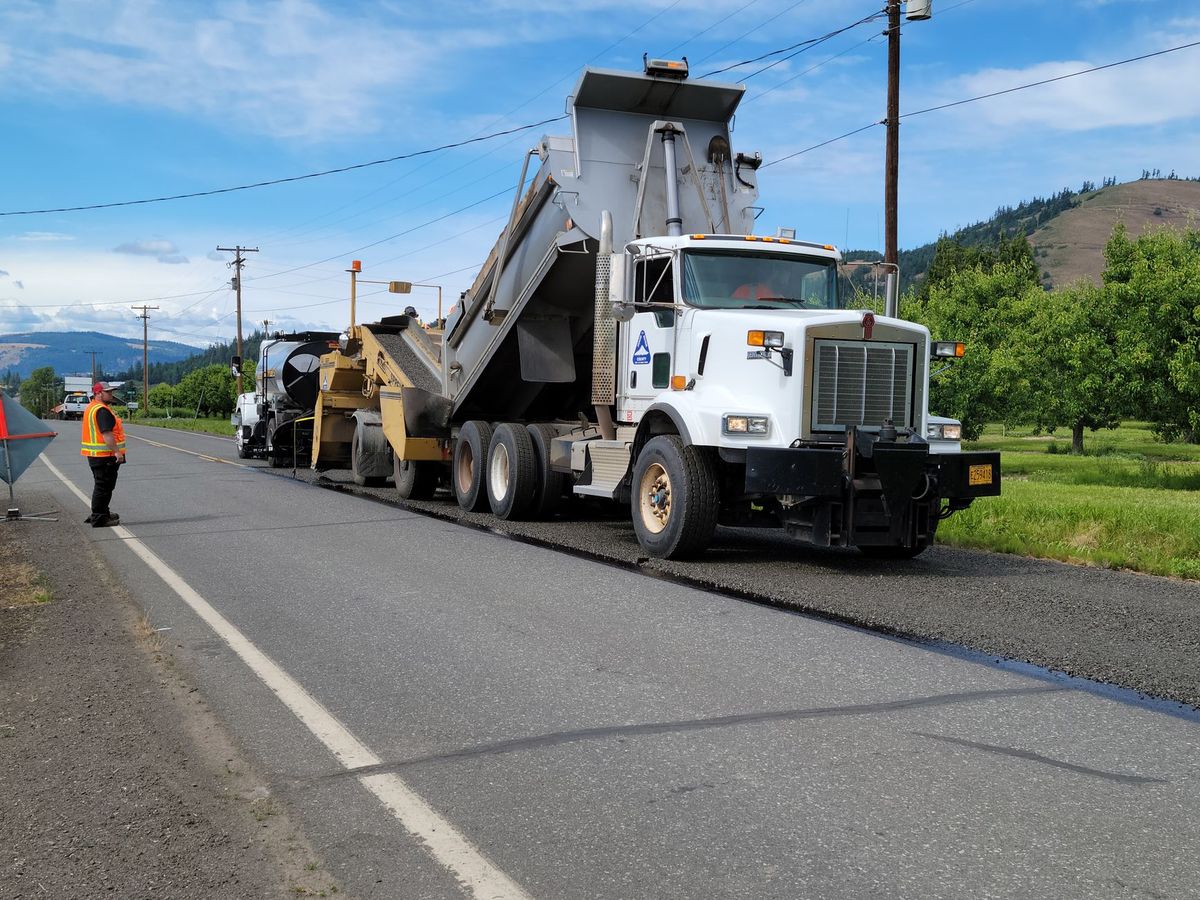
Restoration is putting the world back the way you found it, and on urban jobs it can equal or exceed the pipe work. Replacing an asphalt street section over your trench runs real money once you add sawcutting, base stone, and paving. Our asphalt paving cost per square foot guide breaks down why a full-depth patch costs far more per square foot than a fresh mat on open ground. Concrete driveway or sidewalk restoration, landscaping, and traffic control all stack on top. On a downtown main replacement I bid last spring, restoration alone was $95 per linear foot of the $340 total.
Municipal vs Residential: Two Different Businesses
The same 100 feet of 8-inch pipe costs a homeowner one thing and a city another, and treating them as the same job is how you lose either the bid or your shirt.
Residential laterals
A typical residential lateral replacement is 40 to 80 feet from the house to the main. Total jobs land between $4,500 and $25,000, with the average U.S. homeowner paying around $8,500 to $13,000 for a straightforward open-cut replacement, per HomeAdvisor and Angi contractor-reported data. There is little to no prevailing wage, no bonding, and permitting is usually a few hundred dollars. Margins can be healthy here, 20% to 35% net, if you control the excavation and do not hit surprises.
Municipal and public-works mains
Municipal work is a different animal. You are looking at prevailing wage under the Davis-Bacon Act, performance and payment bonds, traffic control plans, engineered bedding specs, and inspection at every stage. That is why municipal per-foot costs run 2 to 3 times residential for the same diameter. But the jobs are bigger and the money is reliable if you know how to bid them. If public infrastructure is where you want to grow, start with our guide on how to win public-works construction contracts, because the bonding and prequalification hurdles will keep you out entirely if you are not ready.
2026 Sewer Line Replacement Cost Table
Here is how the per-foot numbers stack up across methods and conditions. These are all-in ranges including labor, equipment, bedding, and typical backfill, but excluding surface restoration unless noted.
| Method / Condition | Cost per linear foot (2026) | Best use case |
|---|---|---|
| Open-cut, residential lateral (shallow, <6 ft) | $50 - $120 | Grass yards, easy access |
| Open-cut, residential lateral (deep, 6-12 ft) | $120 - $250 | Under driveways, high water table |
| Open-cut, municipal main (8-in, standard) | $150 - $300 | New alignment, rural road |
| Open-cut, municipal main (deep/large diameter) | $300 - $450 | Under state routes, 18-in+ |
| Pipe bursting (HDPE pull-through) | $60 - $200 | Collapsed line, upsizing |
| CIPP lining | $80 - $250 | Structurally sound host pipe |
| Add: dewatering (high water table) | +$8 - $30 | Wet trench conditions |
| Add: asphalt street restoration | +$40 - $95 | Urban / under pavement |
| Add: concrete drive/sidewalk restoration | +$15 - $40 | Residential hardscape |
| Pipe material only (6-in PVC SDR-35) | $6 - $14 | All open-cut |
Run these against your own labor burden before you trust them. Rates from RSMeans and the national ranges above assume roughly $65 to $95 per hour loaded for a utility laborer and operator; if your market is Manhattan or the Bay Area, add 30% to 60% and re-check the whole table. Our construction cost estimator tool will let you plug your own crew rates in rather than guessing.
Where the Money Actually Goes on a Sewer Job
Break a $340-per-foot municipal main job into its parts and the pattern is consistent across the dozen tabs I have pulled: excavation and shoring is 30% to 40% of cost, restoration is 20% to 30%, labor for the pipe installation is 15% to 25%, bedding and backfill stone is 8% to 12%, and the actual pipe is 6% to 10%. Traffic control, dewatering, and inspection compliance eat the rest.
That distribution should change how you bid. The pipe salesperson wants you to obsess over material, but your risk lives in the trench and the street. I price excavation and restoration first, add my markup on those high-risk items generously, and treat the pipe as a near-fixed pass-through. If you are still setting one flat markup across the whole job, run your numbers through our markup and margin calculator and split your markup by risk category; you will find you have been undercharging for the dangerous parts and overcharging for the safe ones.
Frequently Asked Questions
How much does it cost to replace a residential sewer line in 2026?
A typical 40-to-80-foot residential lateral replacement costs $4,500 to $25,000 total, with most homeowners paying $8,500 to $13,000 for a straightforward open-cut job. Depth, whether the line runs under a driveway or mature trees, and local permitting drive the spread. Deep lines or those requiring trenchless methods push toward the high end.
Is trenchless sewer replacement cheaper than digging?
Not always. Trenchless (pipe bursting or CIPP) runs $60 to $250 per linear foot and beats open-cut only when the line is deep, runs under pavement or landscaping, or when restoration costs would be severe. On a shallow line in an open yard, open-cut at $50 to $120 per foot is usually cheaper because you avoid specialized crew and equipment mobilization.
Why is municipal sewer work so much more expensive per foot?
Municipal mains cost 2 to 3 times residential per foot because of prevailing wage under Davis-Bacon, performance and payment bonds, engineered bedding and inspection requirements, traffic control plans, and greater depth and diameter. A residential lateral has none of that overhead, which is why the same 8-inch pipe costs a city far more than a homeowner.
What percentage of a sewer job is the pipe itself?
The pipe material is only 6% to 10% of a typical municipal sewer replacement. Excavation and shoring is 30% to 40%, surface restoration is 20% to 30%, and installation labor is 15% to 25%. This is why bidding off pipe cost alone is dangerous, and why your markup should be weighted toward the trench and the restoration.
How deep does depth have to get before it changes the price?
Every foot of depth past 5 feet adds roughly 15% to 25% to your excavation cost per foot, because OSHA-required shoring, dewatering, and haul volume all climb together. Past 5 feet a protective system is mandatory, not optional. The crossover point where trenchless starts beating open-cut typically sits around 6 to 8 feet of depth.
Your Action Item for This Week
Pull your last three sewer or utility bid tabs and re-cost them by category: excavation, restoration, pipe labor, bedding, and material as separate line items with separate markups. If you find you applied one flat markup across the whole job, you are almost certainly underpricing the excavation and restoration risk while overpricing the pipe. Rebuild one of those bids in the markup and margin calculator with risk-weighted markups this week, and use that template on the next sewer job that hits your desk.