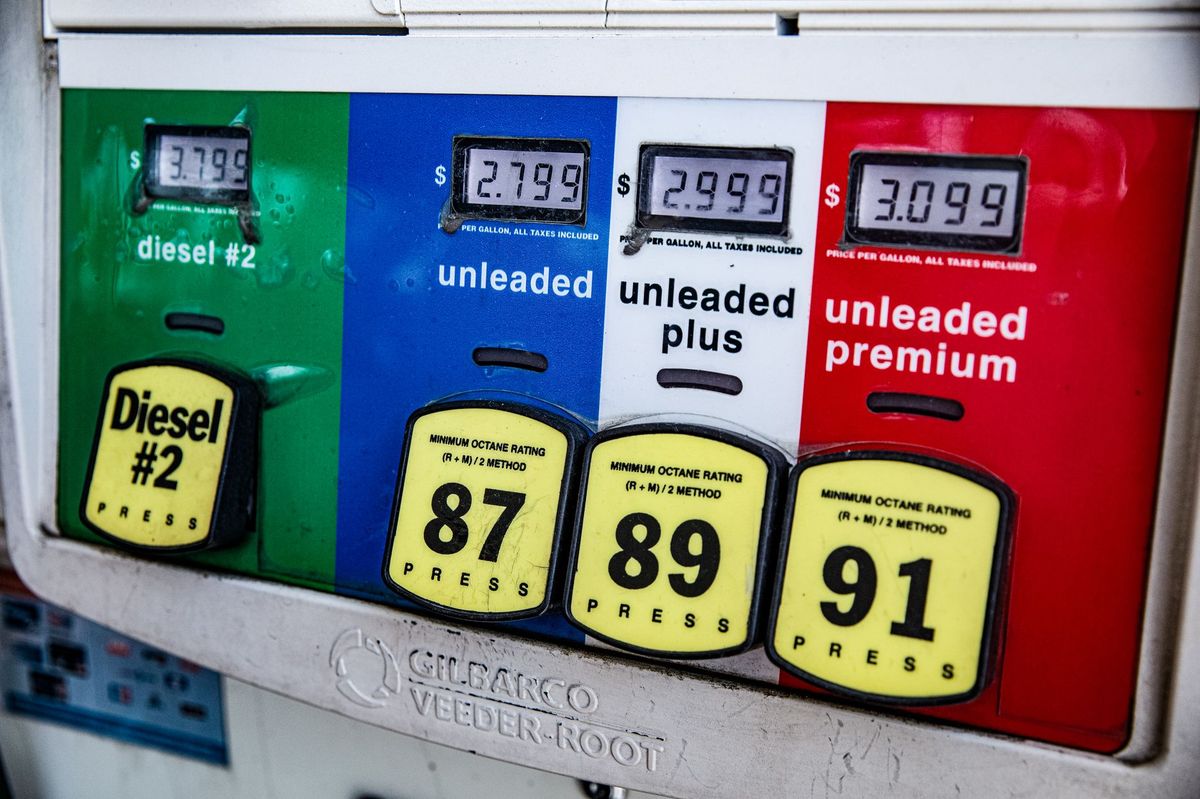
$3.92. That is what a gallon of ultra-low sulfur diesel costs at the pump today, and if you run heavy equipment on construction sites, that number hits your profit margin harder than most contractors realize. Diesel is not just a line item — it is a multiplier that touches every hour of every machine on every project. And at $3.92 per gallon, the math gets uncomfortable fast.
I run equipment on every job my company does. Excavators, skid steers, compactors, generators, boom lifts — all diesel, all burning money by the hour. Last year, I spent $187,000 on diesel fuel. That was 3.7% of my total revenue, and it was the single largest variable cost I did not have a formal strategy to manage. This year, I have a strategy, and I am going to share it.
The Current Fuel Cost Picture
Diesel Price Trends
Ultra-low sulfur diesel (ULSD) — the standard fuel for construction equipment manufactured after 2007 — is averaging $3.92 per gallon nationally in early April 2026. Here is the context:
- One year ago (April 2025): $3.68/gallon — current price represents a 6.5% increase
- Two years ago (April 2024): $3.95/gallon — we are essentially back to 2024 levels after a brief dip in 2025
- Pre-COVID average (2019): $3.06/gallon — current price is 28% above the pre-pandemic baseline
- Peak (June 2022): $5.81/gallon — current price is 33% below the peak but still historically elevated
The regional variation is significant. Diesel in California runs $4.80 to $5.20/gallon due to state fuel taxes and environmental regulations. In Gulf Coast states (Texas, Louisiana), prices are $3.50 to $3.70. Northeast markets (New York, New England) run $4.10 to $4.40. These regional differences can represent a 30% to 40% spread in fuel costs for the same equipment doing the same work.
Why Diesel Prices Are Elevated
Several structural factors keep diesel above pre-pandemic levels:
Refining capacity constraints. U.S. refining capacity has declined by approximately 1 million barrels per day since 2019 due to permanent refinery closures and conversions to renewable diesel production. This reduced capacity keeps domestic diesel supply tight.
Global diesel demand. Diesel is the fuel of commerce — trucks, trains, ships, agriculture, and construction all run on diesel. Global economic activity, particularly in Asia, keeps demand strong.
Renewable fuel mandates. The Renewable Fuel Standard and state-level clean fuel programs add compliance costs that flow through to pump prices. These costs are relatively small (5 to 15 cents per gallon) but contribute to the elevated price structure.
Federal and state taxes. The federal diesel excise tax is 24.4 cents per gallon, and state diesel taxes range from 12 cents (Alaska) to 78 cents (California). Combined federal and state taxes represent 10% to 20% of the pump price.
Business tip: If you are not tracking your fuel consumption by machine, you are managing one of your largest variable costs blind. Install fuel tracking — whether that is a simple fuel log book, electronic fuel management at your yard, or telematics that report fuel consumption — on every piece of equipment. The data will surprise you. I found one excavator that was burning 30% more fuel than its sister machine because of a failing injector that was not showing any other symptoms. That diagnosis saved me $4,200 in fuel over the next six months.
The Equipment Fuel Consumption Math
Let me walk through the actual fuel consumption and cost for common construction equipment at $3.92/gallon:
Excavators
| Machine Class | Engine HP | Fuel Burn Rate | Hourly Fuel Cost | Daily (8 hr) | Monthly (176 hr) |
|---|---|---|---|---|---|
| Mini (3–6 ton) | 25–50 | 1.5–3.0 gal/hr | $5.88–$11.76 | $47–$94 | $1,035–$2,072 |
| Mid (12–18 ton) | 90–130 | 4.0–6.5 gal/hr | $15.68–$25.48 | $125–$204 | $2,760–$4,484 |
| Large (30–40 ton) | 250–310 | 6.0–9.0 gal/hr | $23.52–$35.28 | $188–$282 | $4,144–$6,209 |
| Heavy (50+ ton) | 350–450 | 9.0–14.0 gal/hr | $35.28–$54.88 | $282–$439 | $6,209–$9,659 |
Dozers
| Machine Class | Engine HP | Fuel Burn Rate | Hourly Fuel Cost | Daily (8 hr) | Monthly (176 hr) |
|---|---|---|---|---|---|
| Small (D3–D5) | 80–130 | 3.5–6.0 gal/hr | $13.72–$23.52 | $110–$188 | $2,415–$4,140 |
| Medium (D6–D7) | 185–260 | 7.0–11.0 gal/hr | $27.44–$43.12 | $220–$345 | $4,829–$7,589 |
| Large (D8–D9) | 310–410 | 11.0–16.0 gal/hr | $43.12–$62.72 | $345–$502 | $7,589–$11,039 |
Wheel Loaders
| Machine Class | Engine HP | Fuel Burn Rate | Hourly Fuel Cost | Daily (8 hr) | Monthly (176 hr) |
|---|---|---|---|---|---|
| Compact | 60–90 | 2.5–4.0 gal/hr | $9.80–$15.68 | $78–$125 | $1,725–$2,760 |
| Mid-size | 150–220 | 5.0–8.0 gal/hr | $19.60–$31.36 | $157–$251 | $3,449–$5,519 |
| Large | 280–400 | 8.0–14.0 gal/hr | $31.36–$54.88 | $251–$439 | $5,519–$9,659 |
Other Common Equipment
| Equipment | Engine HP | Fuel Burn Rate | Hourly Fuel Cost |
|---|---|---|---|
| Skid steer | 60–100 | 2.0–4.0 gal/hr | $7.84–$15.68 |
| Backhoe | 90–110 | 3.0–5.0 gal/hr | $11.76–$19.60 |
| Motor grader | 185–250 | 6.0–10.0 gal/hr | $23.52–$39.20 |
| Compactor (roller) | 100–175 | 3.0–6.0 gal/hr | $11.76–$23.52 |
| Generator (100 kW) | 150 | 5.0–7.0 gal/hr | $19.60–$27.44 |
| Boom lift (60 ft) | 65–80 | 2.0–3.5 gal/hr | $7.84–$13.72 |
The Project Cost Impact
Let me put the equipment fuel cost tables into the context of a real project.
Case Study: 5-Acre Site Development
A typical 5-acre commercial site development project requires clearing, mass grading, utility installation, fine grading, and paving preparation. Here is the equipment plan and fuel cost:
| Equipment | Duration | Hours | Fuel Rate | Gallons | Cost at $3.92 |
|---|---|---|---|---|---|
| D6 dozer | 6 weeks | 240 | 9 gal/hr | 2,160 | $8,467 |
| 330 excavator | 8 weeks | 320 | 7 gal/hr | 2,240 | $8,781 |
| 950 wheel loader | 6 weeks | 240 | 6 gal/hr | 1,440 | $5,645 |
| Compactor | 4 weeks | 160 | 4 gal/hr | 640 | $2,509 |
| Skid steer | 8 weeks | 320 | 3 gal/hr | 960 | $3,763 |
| Motor grader | 3 weeks | 120 | 8 gal/hr | 960 | $3,763 |
| 100 kW generator | 10 weeks | 400 | 6 gal/hr | 2,400 | $9,408 |
| Total | 1,800 | 10,800 | $42,336 |
The math: This project uses 10,800 gallons of diesel at a total cost of $42,336. If the project contract value is $1.2 million with a 6% net margin ($72,000 profit), fuel represents 3.5% of the contract value and 58.8% of the net profit. A 10% increase in diesel price — from $3.92 to $4.31 — would add $4,212 to the fuel cost, consuming an additional 5.9% of the project profit.
Now consider the price sensitivity: If diesel were at the 2019 average of $3.06/gallon, this project's fuel cost would be $33,048 — saving $9,288 compared to the current price. That $9,288 is nearly 13% of the project profit. The difference between 2019 diesel and 2026 diesel is the difference between a 6% margin and a 5.2% margin on this project.
Business tip: Include a fuel price escalation clause in your contracts for projects longer than 3 months. Reference the EIA weekly diesel price for your region as the index. If diesel moves more than 10% from your bid assumption, the contract adjusts. Most owners will accept this on longer projects because it protects them from price decreases too. Without this clause, you are speculating on diesel prices — and you are not in the fuel speculation business.
Strategies to Reduce Fuel Cost
1. Right-Size Your Equipment
The most common fuel waste on construction sites is using equipment that is too large for the task. A 30-ton excavator doing utility trenching work that a 15-ton machine could handle burns twice the fuel for the same production. Matching equipment size to task requirements is the first and most impactful fuel reduction strategy.
This does not mean you should always use the smallest possible machine. Undersized equipment reduces production, extends project duration, and can increase total fuel consumption even at a lower hourly burn rate. The goal is optimal matching — the machine that completes the task at the lowest cost per unit of production.
2. Reduce Idle Time
Studies by equipment manufacturers and fleet management firms consistently show that construction equipment idles 30% to 50% of its operating time. Idling burns 40% to 60% of the fuel consumed under load, producing zero revenue.
The math: A 330 excavator idling at approximately 3 gallons per hour for 2 hours per day costs $23.52 per day in wasted fuel. Over a 176-hour month, that is approximately $520. Over a year, it is $6,240 per machine. If you have five pieces of equipment on site each wasting 2 hours per day idling, the annual waste is $31,200.
Strategies to reduce idle time:
- Auto-idle and auto-shutdown. Most modern equipment includes auto-idle (reduces engine speed after a set idle period) and auto-shutdown (turns off the engine after extended idling). Ensure these features are enabled. Many operators disable them for convenience.
- Operator training. Train operators to shut down equipment during breaks, fueling, and extended wait periods. A 15-minute break with the engine running wastes 0.5 to 1.5 gallons of diesel.
- Telematics monitoring. Fleet telematics systems report idle time by machine and operator. Review idle time reports weekly and address excessive idling with specific operators.
3. Maintain Equipment for Fuel Efficiency
Poorly maintained equipment burns more fuel. Specific maintenance items that affect fuel consumption:
- Air filters. A clogged air filter can increase fuel consumption by 5% to 10%. Replace air filters at manufacturer-recommended intervals or sooner in dusty conditions.
- Fuel injectors. Worn or failing injectors reduce combustion efficiency and increase fuel consumption by 10% to 30%. Include injector inspection in your major service intervals.
- Undercarriage (tracked machines). Worn undercarriage components increase rolling resistance and fuel consumption. Track tension, roller condition, and sprocket wear all affect fuel efficiency.
- Tire pressure (wheeled machines). Under-inflated tires increase rolling resistance and fuel consumption by 3% to 5% per 10 PSI below specification.
- Hydraulic system. Hydraulic leaks and contaminated hydraulic fluid reduce system efficiency and force the engine to work harder, consuming more fuel.
4. Optimize Site Layout and Haul Routes
On earthmoving projects, haul distance and grade are the primary drivers of fuel consumption beyond equipment size. Optimizing cut/fill balancing, haul routes, and staging areas can reduce total fuel consumption by 10% to 20% on large grading projects.
GPS-based machine control and automated grading systems reduce passes and rework, directly reducing fuel consumption. Contractors using GPS machine control consistently report 15% to 25% reductions in grading fuel consumption compared to conventional staking methods.
5. Consider Alternative Fuels and Electrification
Biodiesel blends (B5 to B20). Most modern construction equipment can run on biodiesel blends up to B20 without modification. B20 is available at similar or slightly lower prices than ULSD in many markets and reduces greenhouse gas emissions. However, biodiesel can cause issues with fuel filters and injectors in cold weather, so consult your equipment manufacturer's recommendations.
Electric equipment. Battery-electric construction equipment is emerging in the compact and mid-size categories. Electric mini excavators, skid steers, and wheel loaders are available from multiple manufacturers. The fuel cost savings are significant — electricity costs approximately $1.50 to $2.00 per equivalent gallon of diesel — but the equipment cost premium (30% to 50% above diesel equivalents) and limited charging infrastructure on construction sites remain barriers for most contractors.
Hybrid equipment. Hybrid excavators and wheel loaders, available from Caterpillar, Komatsu, and others, reduce fuel consumption by 20% to 30% compared to conventional models. The price premium is 10% to 15%, which can be recovered through fuel savings within 2 to 3 years at current diesel prices.
Fuel Cost in Your Estimates
Every equipment-intensive bid should include a detailed fuel cost estimate. Here is my approach:
- List every piece of equipment that will be on the project, with estimated operating hours.
- Assign a fuel burn rate for each machine based on manufacturer specs and your actual experience. Manufacturer specs typically assume a "standard" duty cycle — adjust upward for heavy production work and downward for utility and finish work.
- Calculate total gallons by machine and for the project.
- Price at current diesel rate plus a buffer. I typically use the current EIA regional average plus 5% for price movement during the project.
- Add delivery surcharges if you use on-site fueling services (typically $0.15 to $0.30 per gallon above rack price).
The math: For the 5-acre site development example above, my fuel estimate process:
- Total gallons: 10,800
- Current price: $3.92
- Price buffer (5%): $0.20
- Estimated price: $4.12
- Delivery surcharge: $0.20
- All-in cost per gallon: $4.32
- Total fuel budget: $46,656
This is $4,320 above the raw calculation of $42,336, providing a 10% contingency against price increases and consumption variation.
The Connection to Equipment Decisions
Fuel cost is a major factor in the rent versus buy equipment decision. Whether you rent or own, you pay for fuel. But the age and condition of equipment — which is more controllable when you own — directly affects fuel consumption. A 10-year-old excavator may burn 15% to 20% more fuel than a new model doing the same work, due to engine wear, less efficient hydraulics, and older technology. Over a year of operation, that 15% fuel penalty on a machine burning 7 gallons per hour is approximately $7,800 in additional fuel cost. That is a meaningful factor in the decision to update or replace aging equipment.
Before you commit to a budget, run your own numbers with our free construction cost estimator and check quantities with the markup margin calculator.
Frequently Asked Questions
How do I estimate fuel consumption for equipment I have not used before?
Start with the manufacturer's published fuel consumption specifications, which are available in the equipment's technical data sheets or from the dealer. These specs typically show fuel consumption at various load factors (low, medium, high). For estimating purposes, use the "medium" or "average" load factor unless you know the specific application demands higher or lower utilization. As a rule of thumb, diesel construction equipment burns approximately 0.04 gallons per horsepower per hour at average load. A 200-HP machine burns approximately 8 gallons per hour. This rule is approximate but useful for quick estimates when manufacturer data is not available.
Should I buy diesel in bulk to save money?
Bulk diesel purchasing can save $0.10 to $0.30 per gallon compared to retail pump prices, but it requires an on-site fuel tank (typically 500 to 2,000 gallons), spill containment, environmental permits, and inventory management. For contractors consuming more than 2,000 gallons per month, bulk purchasing typically makes economic sense — at $0.20/gallon savings on 3,000 gallons monthly, the annual savings is $7,200, which easily covers the cost of a tank and containment system. For contractors consuming less than 1,000 gallons monthly, the administrative burden and regulatory requirements usually outweigh the savings. An intermediate option is on-site fueling services (wet hose) that deliver fuel to your site at rack price plus a delivery fee — this provides better pricing than retail without the tank and permitting requirements.
How much does idle time reduction actually save in practice?
Real-world idle time reduction programs typically achieve 30% to 50% reduction in idle hours through a combination of auto-idle/shutdown features, operator training, and telematics monitoring. For a fleet of 10 machines averaging 3 gallons per hour fuel consumption and 2 hours per day of idle time, reducing idle time by 40% saves approximately 2,400 gallons per year per machine, or $9,408 at $3.92/gallon, totaling $94,080 across the fleet. These savings are achievable but require sustained management attention — idle time tends to creep back up if monitoring and enforcement lapse.
Is it worth switching to Tier 4 Final equipment for fuel efficiency?
Tier 4 Final emissions equipment, required on all new machines since 2015, is not inherently more fuel-efficient than Tier 3 equipment — in fact, some Tier 4 machines consume slightly more fuel due to the diesel exhaust fluid (DEF) regeneration process. The fuel efficiency gains come from technology improvements that coincide with the Tier 4 transition — improved hydraulics, electronic fuel injection, intelligent power management, and hybrid drivetrains. A new Tier 4 Final machine may burn 10% to 15% less fuel than a 15-year-old Tier 2 machine of similar size, but most of that improvement is from technology, not emissions tier. The decision to update equipment should be based on total cost of ownership — including fuel, maintenance, reliability, and productivity — not emissions tier alone.
Bottom Line
At $3.92 per gallon, diesel fuel is consuming 3% to 5% of revenue and 30% to 60% of profit on equipment-intensive projects. The contractors who protect their margins are the ones who track fuel consumption by machine, right-size equipment to tasks, reduce idle time aggressively, maintain equipment for efficiency, and include fuel escalation clauses in their contracts. The ones who treat fuel as an uncontrollable cost and bury it in their equipment rates are leaving tens of thousands of dollars on the table every year. Fuel is the most manageable of your major variable costs — but only if you measure it, manage it, and price for it.